
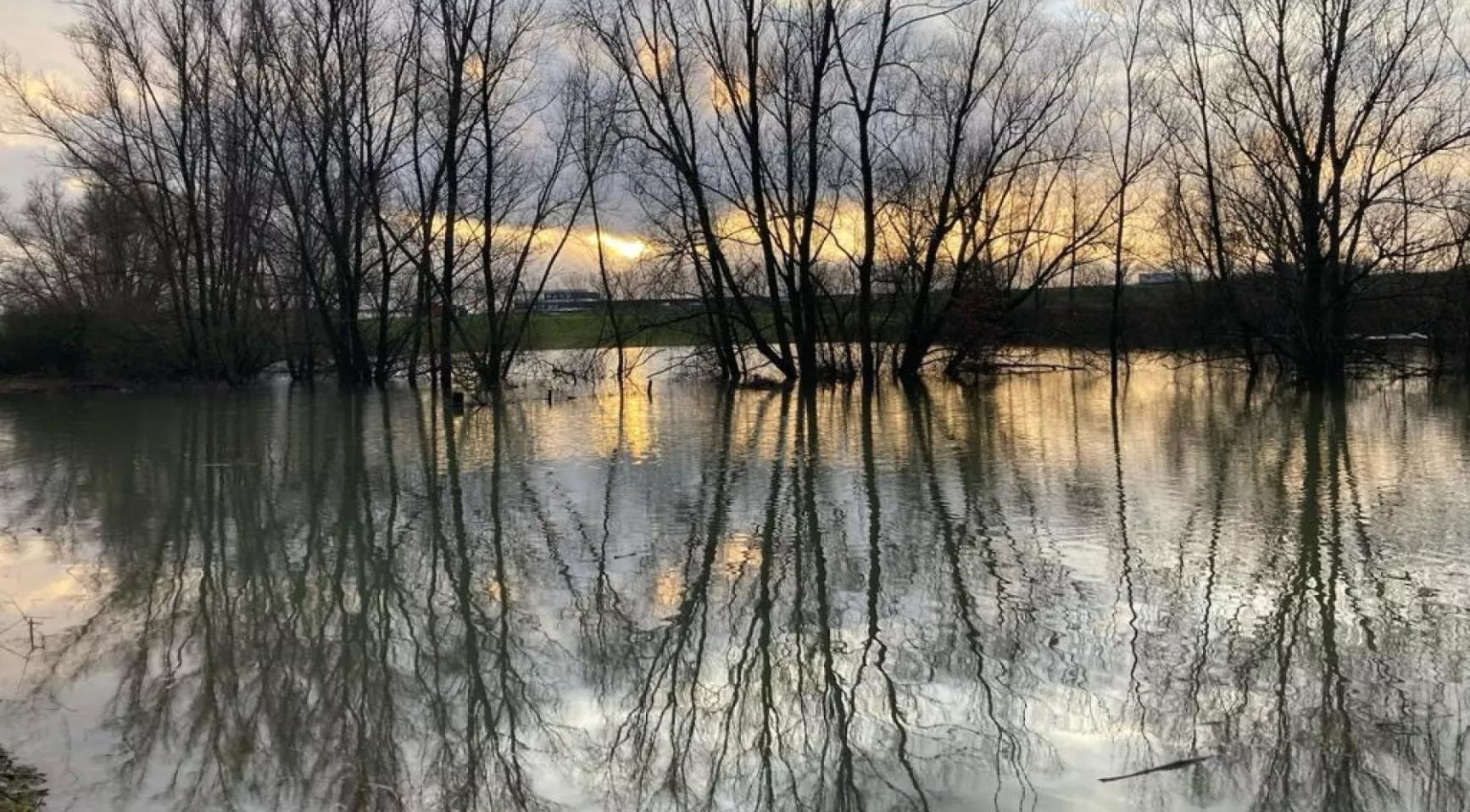
Biodiversity recovery in Dutch fresh water turning back into decline
The recovery of Dutch freshwater nature is faltering. Environmental policy bore fruit for years, but in several areas, the upward trend has stalled or is even heading in the wrong direction again. “Biodiversity recovery in streams and rivers has turned into decline,” warn the World Wildlife Fund (WWF-NL), SoortenNL, and Sovon in an edition of the Living Planet Report published on Tuesday.
The number of fish and dragonflies has been declining in recent years, while freshwater areas are struggling with the increasing consequences of climate change. Drought has proven fatal for dragonflies in several recent years. In 2018, 2019, and 2025, many fens dried up, rendering the larvae unable to survive.
Pesticides, PFAS pollution, excessive nitrogen concentration, and invasive species like the American crayfish also have adverse effects on species living in rivers, streams, fens, and marshes.
Although the report reveals many worrying trends, there are also bright spots. For instance, the otter is doing well. The animal had completely disappeared from Dutch waters in the late 1980s, but following a successful reintroduction, the species is now spreading again under its own power. This would not have been possible without interventions in water quality, among other things.
“The otter shows that recovery is possible. Let us continue this movement. Towards a healthy and resilient system where our icons can live,” wrote the directors of WWF-NL, SoortenNL, and Sovon.
They warn that the “low-hanging fruit” has already been picked. “Decades ago, water quality was so poor that every measure yielded immediate gains,” the nature organization explained. “For true recovery, we must restore the entire water system. Water quality, space, connectivity, and management must be tackled together for this.”
The organizations see plenty of opportunities for this. They point out that this is also mandatory work. The Netherlands must comply with European regulations like the Water Framework Directive (WFD), the deadline for which is at the end of next year.


