
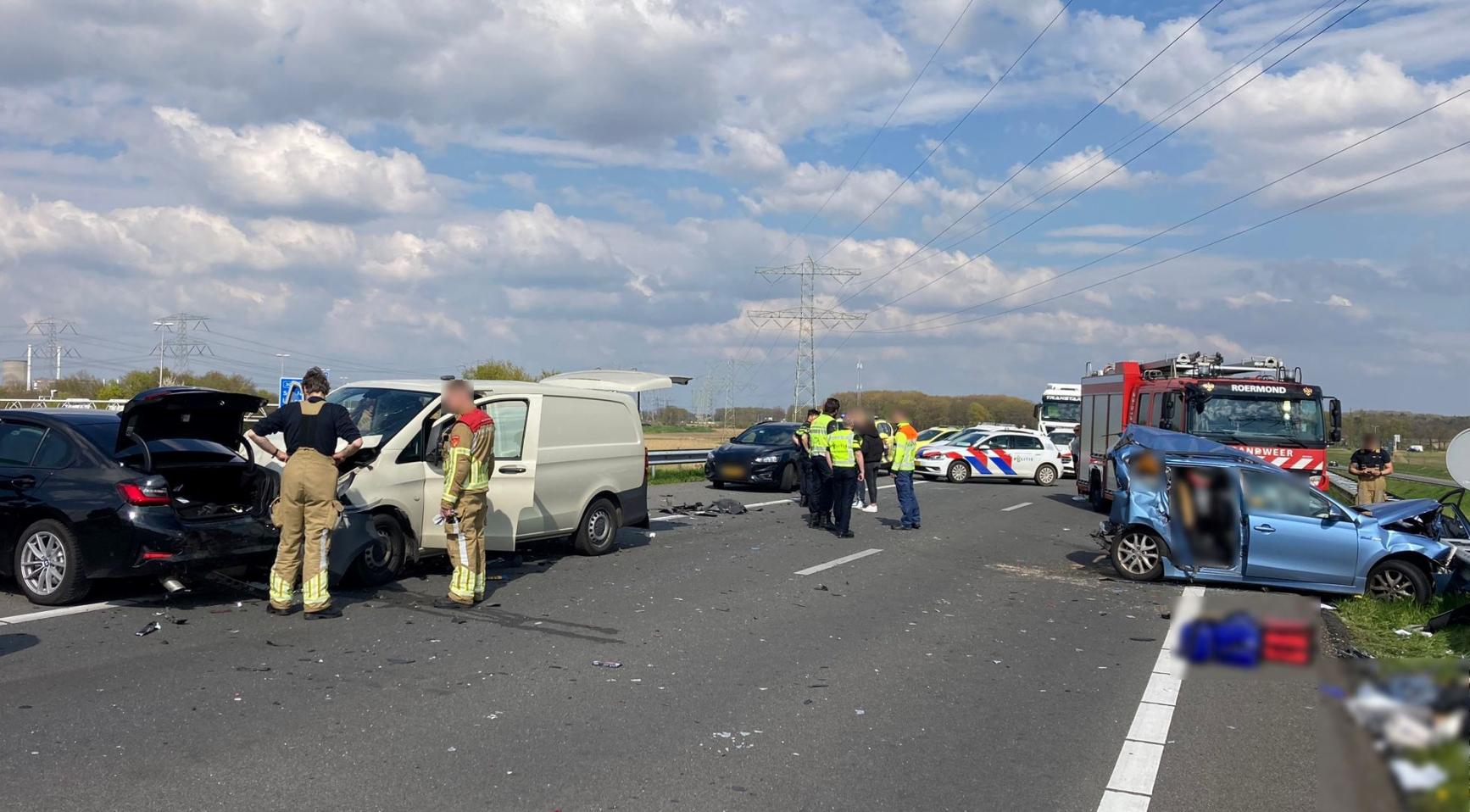
Current policy wil increase traffic deaths; "Unpopular measures" needed for road safety
Under the current road safety policy, the number of people dying in traffic accidents on Dutch roads will increase by 10 percent by 2040. And the number of severe injuries from traffic accidents will rise by 20 percent, the SWOV reported on Friday. Unpopular measures will have to be taken to reverse this trend, the scientific research center for road safety said, suggesting mandatory helmets for cyclists and speed assistants in cars that ensure they hold to the speed limit.
Last year, 675 people were killed in traffic accidents, and 7,800 people were seriously injured, the SWOV reported. In 2023, those figures were 684 and 7,400, respectively. Cyclists and senior citizens were again the most vulnerable groups of road users. Last year, 36 percent of road fatalities and 71 percent of serious road injuries involved cyclists. More than half of all victims were over the age of 60.
Preliminary figures for 2025 show that the number of road fatalities up to and including August is slightly higher than in 2024. The number of road injuries also continues to rise. Projections indicate that this upward trend will continue. The SWOV expects approximately 10 percent more traffic deaths and 20 percent more serious road injuries by 2040.
“The number of people seriously injured in traffic rose again last year. And despite governments working hard to make roads safer, the number of road fatalities hasn’t decreased in years,” said SWOV researcher Dr. Letty Aarts. “This means that more is needed to turn the tide - including measures that are less popular politically or socially.”
According to the SWOV, measures that have long been proven effective are still not implemented everywhere. About half of the 50 km/h roads still don’t have a separate cycle path, and there are still many busy streets where the 30 km/h speed limit does not yet apply.
“We know which measures are effective. But previous research also showed that many of these measures don’t garner widespread support beforehand,” Aarts said. “If we truly want to reduce road casualties, we’ll have to be willing to implement unpopular measures as well.”


