
Digital records of 400,000 Dutch people forced to work for Nazi Germany to be unveil
The Dutch National Archive will release information on Wednesday about over 400,000 Dutch citizens who were forced to work in Germany during the Second World War. The collection, established by the Dutch Red Cross after the war, was digitized with the help of volunteers over approximately one and a half years. It will be searchable by name and include details on employers, places of residence, marriages, and grave locations, all accessible online.
The collection will be available on the Dutch National Archives website from Wednesday, featuring profiles of 400,000 Dutch individuals who were working in Germany. Due to privacy laws, only information about deceased individuals can be accessed.
"Until recently, it was difficult to locate individuals in this archive because it was organized geographically. So you had to know where someone lived before you could find documents about them,” explained Renée Spierings, project manager at the Dutch National Archive. “Now that the archive is digitally accessible, descendants finally have the chance to find out where their family member was during the war,” he added.
During the Second World War, forced labor for the German occupiers impacted nearly every Dutch family. While some Dutch citizens voluntarily worked in Germany, many were forced. Over half a million Dutch citizens were employed in Germany and areas under German occupation, replacing Germans drafted into the army.
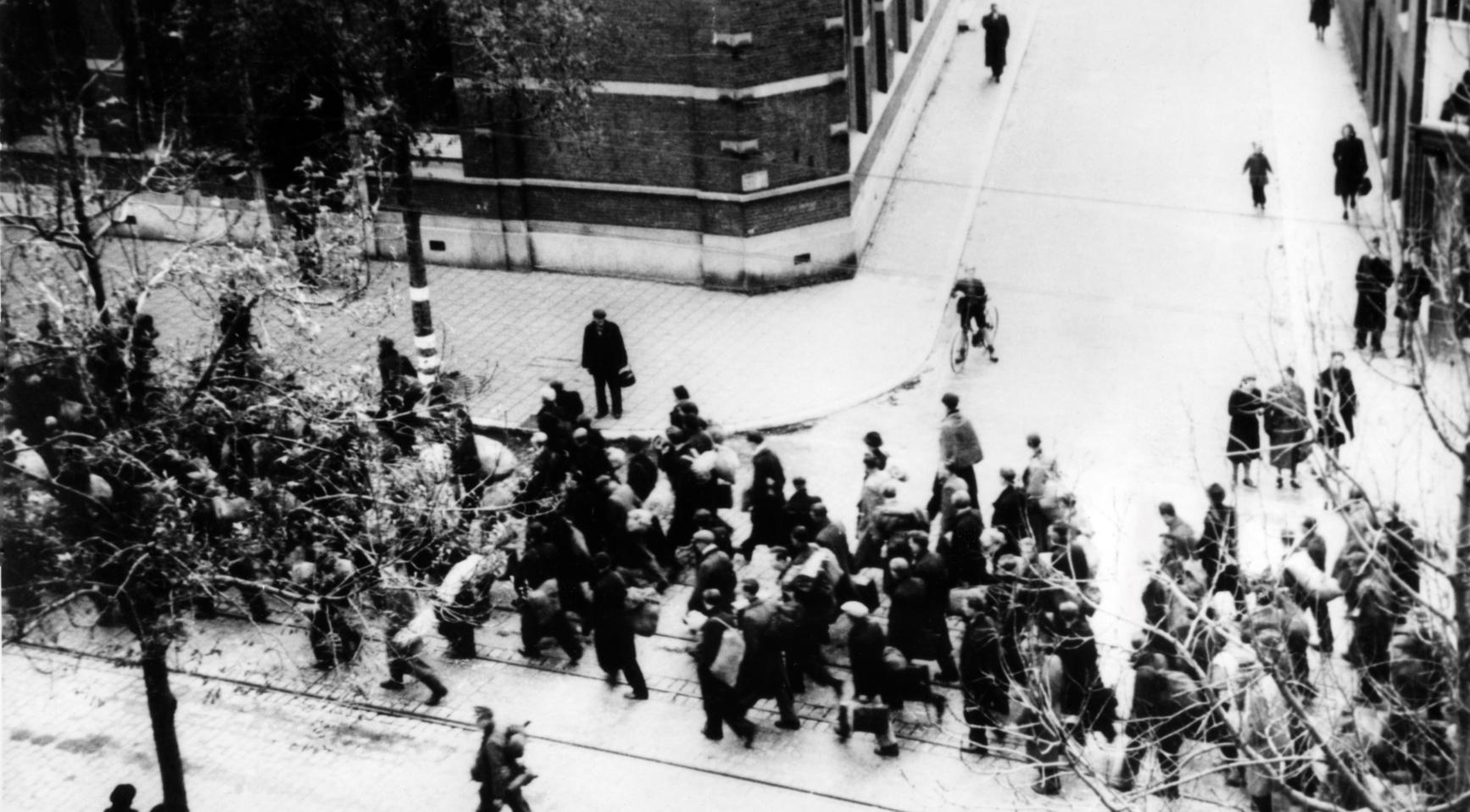
An example of this is the Rotterdam razzia on November 10 and 11, 1944, when 52,000 young men from Rotterdam and Schiedam were arrested and deported. Many were forced into labor in Germany, with approximately 500 not returning. This month, a memorial commemorating this event was unveiled in Rotterdam.
In addition to forced laborers, the archive also contains information about men, women, and children who were in Germany during or shortly after the Second World War for other reasons.


