
Water shortage declared in the Netherlands; Gov't considering measures
The Netherlands officially has an actual water shortage, the Ministry of Infrastructure and Water Management announced. The National Water Distribution Coordination Committee (LCW) recommended that the government scale up to this level. Authorities and drinking water companies are considering new measures to distribute the available water, although it is not yet certain what these entail.
On July 1, the LCW, a collaboration of the Rijkswaterstaat, the water boards, and other water managers, scaled up the situation to level 1: impending water shortage. The Netherlands is now at level 2, an actual water shortage. Level 3 is a water crisis.
The Ministry stressed that drinking water remains available. The advice remains to use drinking water “consciously” and sparingly.
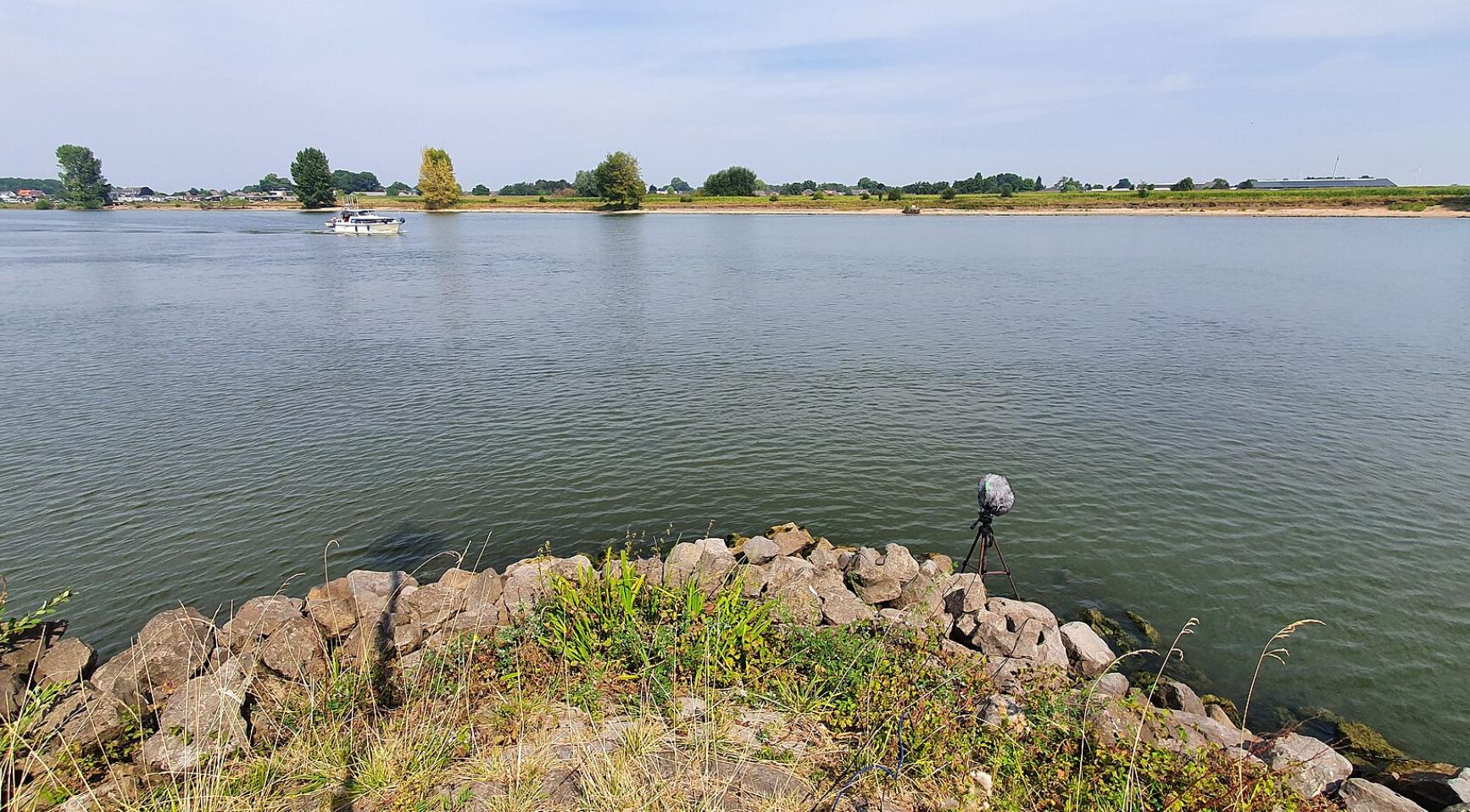
The water shortage will likely first affect shipping, industry, and agriculture. Ships are harder to manoeuvre in low water levels and can’t be loaded as heavily as usual, lest they run aground. Factories can’t discharge all of their cooling water because emptier rivers heat up faster. And various regions have banned farmers from irrigating their crops using surface water.
The scale-up to level 2 primarily affects consultations, a spokesperson for Rijkswaterstaat explained. “It will become easier to implement certain measures, especially if they affect multiple regions.”
River water levels have deteriorated further. “In certain regions, ditches are dry,” the Rijkswaterstaat spokesperson said. “That has not improved in recent weeks and is not going to improve much in the coming weeks either.”
As examples of possible measures, the Ministry mentions the use of weirs in rivers and the preparation of additional pumps. The weir in the Lek near Hagestein may be opened slightly to allow extra fresh water to flow west and push back saltwater.
Reporting by ANP and NL Times


