
Persistent drought and higher demand: Netherlands heading for water shortages
The Netherlands is on the brink of a water shortage, Harold van Waveren, chairman of the National Water Distribution Coordination Committee (LCW), told Nieuwsuur. According to him, the current drought is increasingly resembling the exceptionally dry year of 1976.
On July 1, the LCW, a collaboration of the Rijkswaterstaat, the water boards, and other water managers, scaled up the situation to level 1: impending water shortage. According to Van Waveren, the Netherlands may move into level 2, an actual water shortage, in the very near future. Level 3 is a water crisis.
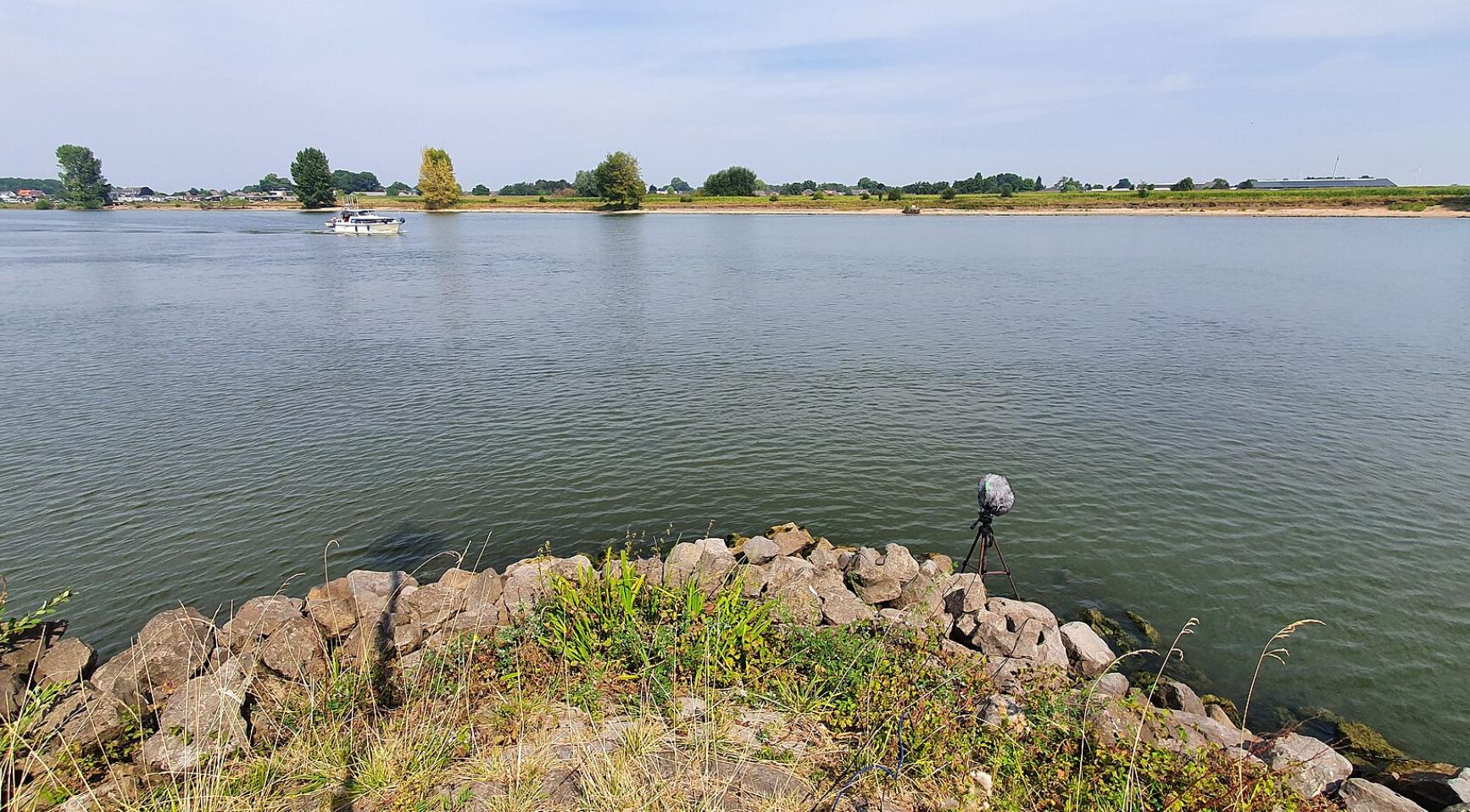
“River levels are remarkably low for this time of year. We are seeing water levels that occur on average only once every 20 years. The precipitation deficit is also at a level seen approximately once every 20 years.”
The biggest challenge is the increasing demand for water while less and less is available. “Due to the heat, more water evaporates, and plants need more. At the same time, the discharge of the Rijn and the Maas is also decreasing in Germany, Switzerland, Belgium, and France. Water demand is therefore rising while supply is decreasing.”
People also use more water during the heat. “In itself, there is more than enough drinking water, but if everyone turns on the tap at the same time, that water cannot flow through the network simultaneously. And then the pressure can drop. If we handle this wisely, the drinking water supply will remain in order,” Van Waveren said.
If the Netherlands escalates to level 2, water managers will have to make choices regarding who gets water and who doesn’t. Residents shouldn’t feel the consequences of this immediately, Van Waveren said. But he urged everyone to use water sparingly.
Water boards also raised the alarm, speaking to the Telegraaf. They urged residents to cut their water use, for example, by showering instead of bathing, and also by taking shorter showers.
Agriculture companies and shipowners are the first to feel the drought. “Ultimately, it is about distributing scarcity. You can never satisfy everyone,” Van Waveren said. For example, extra fresh water is already being used to combat salinization in the west of the country. That comes at the expense of shipping traffic, which has to wait longer at locks due to the lower water levels. Van Waveren also expects more regions to ban farmers from irrigating using surface water.
"It is only the beginning of July, and the summer still has two months to go. If this drought persists, it could become a serious drought,” Van Waveren said. It is looking more and more like the extreme drought of 1976, he said. "That is our reference year. I hope we do not experience such a summer again, but due to climate change, that chance is increasing."


