
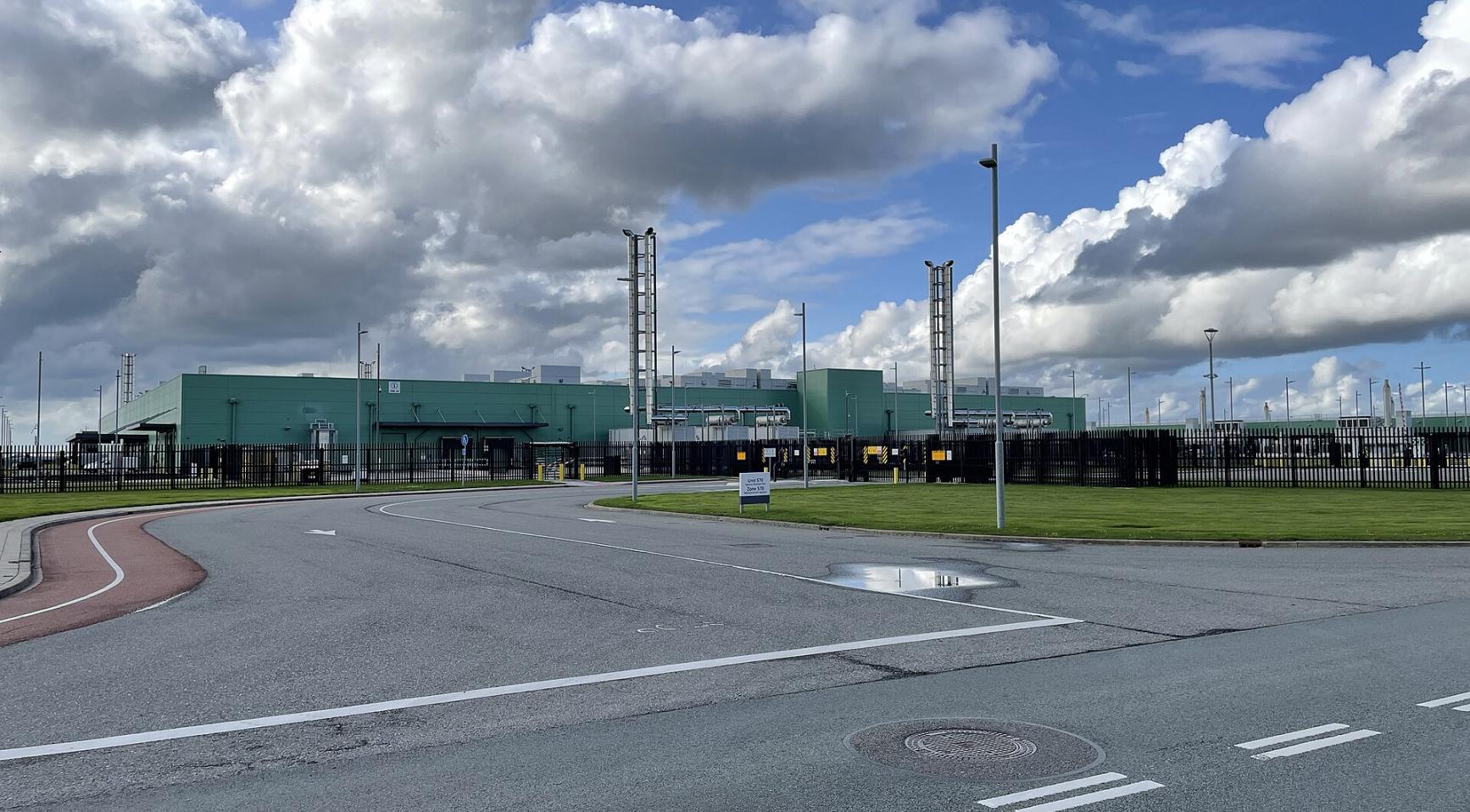
Microsoft data center uses 1% of all Dutch electricity
Microsoft’s oldest hyperscale data center in the Netherlands, a series of interconnected warehouses along the A7 in Middenmeer, currently consumes over 1 percent of all Dutch electricity, NRC reports, based on figures published by the Netherlands Enterprise Agency (RVO) this week. The Microsoft datacenter consumed 1.17 Terawatt-hours (TWh) in 2025. The Netherlands’ total electricity consumption last year was 116 TWh.
The RVO published the energy consumption figures to comply with the new European Energy Efficiency Directive (EED). The directive, which has been in force since 2024, forces data center owners ot be transparent about their energy and water consumption. Microsoft is the first major American player to provide full disclosure on several environmental aspects of its Dutch data warehouses.
Microsoft, once lured to the Netherlands with cheap building land and favorable rates for large consumers, has become one of the Netherlands’ largest electricity consumers. The American tech giant’s strain on the Dutch power grid will continue to grow in the coming years.
Across the A7 highway from its oldest Dutch data center in Middenmeer, Microsoft already has two new halls for data centers, which it plans to increase to six. A large data center for Microsoft is under construction in Amsterdam-West. And the company is a major client of various large data center operators in the Randstad.
And Microsoft is only one company. Other major players in the Dutch data center market have not made their data public. These include Equinix and EdgeConnex, which are both building new data centers around Amsterdam at a rapid pace. Google is also keeping quiet.
According to Hendrik Rood of consultancy firm Stratix, Google’s data centers consume even more of the Netherlands’ resources than Microsoft’s do. Google has a hyperscale data center in Eemshaven, with nearly double the floor area of Microsoft’s hyperscale in Middenmeer. Google also opened a new data center in Winschoten in November and has expansion plans for locations in Eemshaven and Middenmeer.
At the end of 2024, data centers already accounted for 4.6 percent of the Netherlands’ total electricity consumption, Statistics Netherlands (CBS) calculated late last year. Grid operators expect this to grow to around 15 percent of all electricity used by 2030, according to the newspaper. Noord-Holland alone expects to house 92 data centers by 2030, estimated based on current permit applications.
In the meantime, the Netherlands’ power grid is becoming increasingly congested, and water supplies are diminishing. Over 14,000 businesses and even around 7,300 households are on waiting lists for a new or stronger connection.


