
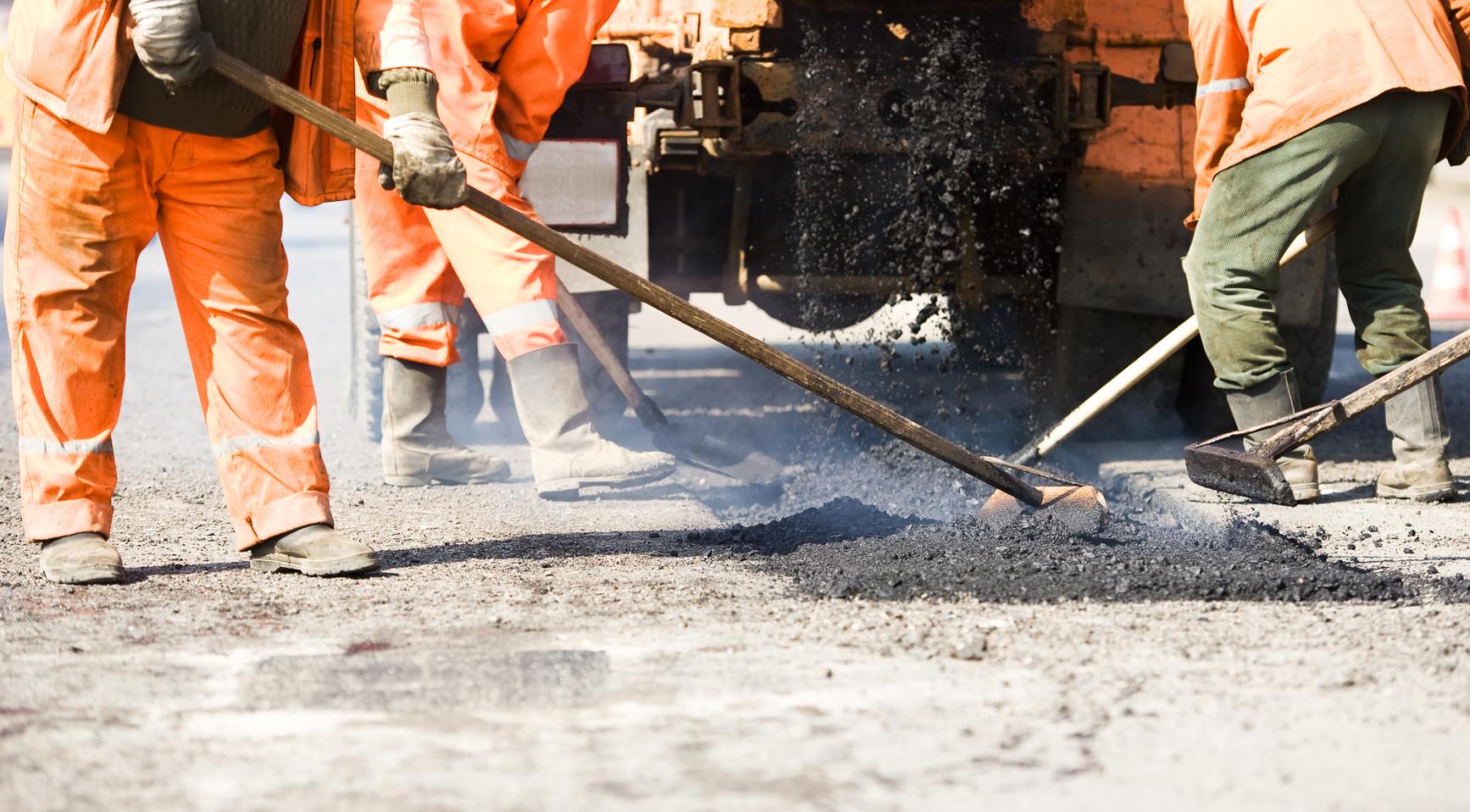
Infrastructure agency increasingly facing angry locals, threats over road works detours
The Dutch infrastructure agency Rijkswaterstaat is increasingly facing anger from residents as roadworks and bridge closures disrupt daily life in places like the Urmond village, De Telegraaf reports.
The historic bridge in Urmond, connecting the village of roughly 5,700 residents across the Julianakanaal and Maas River, will close for at least 18 months starting in December. Residents’ proposals for a temporary pedestrian and cyclist bridge were rejected. The agency says that the emergency bridges are technically complex, expensive, and could delay other projects. Rijkswaterstaat emphasized alternative solutions, including shuttle buses and shopping assistance.
“We formed a team with architects, engineers, and constructors within the Action Platform Urmond Bridge,” architect Mick Dubois told De Telegraaf. “A plan was submitted for a temporary, safe, technically feasible emergency bridge for pedestrians and cyclists. Rijkswaterstaat says: ‘It can’t be done.’ We feel powerless.”
Officials report rising hostility during maintenance projects nationwide. “The trend is that people immediately go into full action mode and strike back hard,” said a spokesperson. Workers face shouting, online campaigns, threats, and protest banners. The agency cites years of underfunding by national governments, leaving many infrastructure projects incomplete. Bridges in Purmerend, Groningen, and Den Helder have already been out of service for months.
The historic bridge in Urmond, like several others over the Julianakanaal, dates to the 1930s. “They were, so to speak, built in the time of horse and carriage,” Rijkswaterstaat engineer Jasper Schürgers told De Telegraaf. He and project manager Jacques Timmermans said the backlog stems from repeated national budget refusals to fund maintenance. “On some sections, more than 50 percent of the steel structure is damaged,” Timmermans added.
Rijkswaterstaat employees report being blamed for political decisions made in The Hague. “If the funding had been approved on time, it probably would have been possible to keep the bridge open for slow traffic,” Schürgers told the newspaper.


