
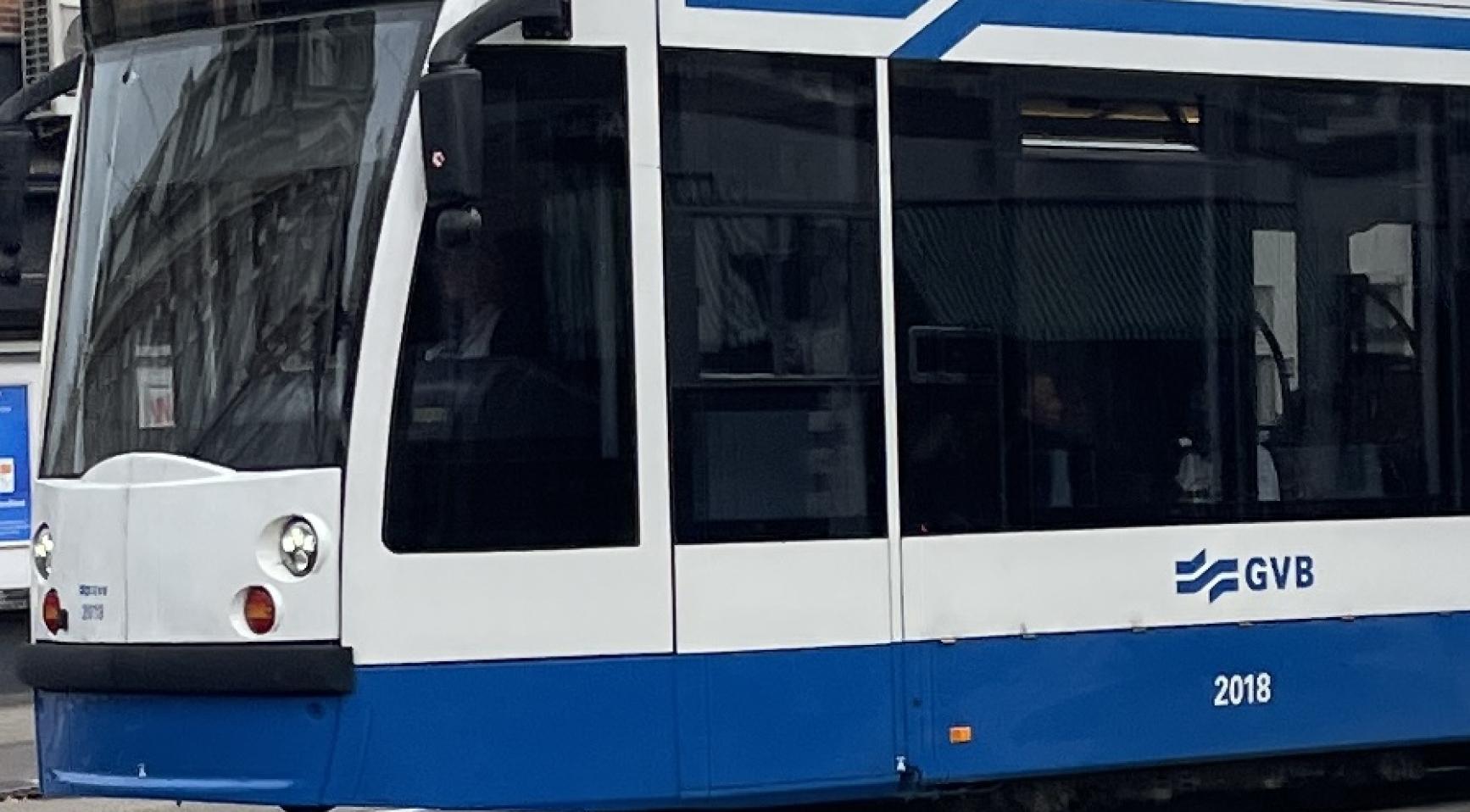
Transport fare hikes likely in Amsterdam, Rotterdam & The Hague after Cabinet budget cut
Public transportation fares in Amsterdam, Rotterdam, and The Hague will rise significantly next year as the Dutch government moves forward with a 110 million euros budget cut affecting only these three cities. Transport companies warn that routes may also be eliminated, leaving commuters with fewer options.
Public transport operators RET, HTM, and GVB say they have no choice but to increase ticket prices and scale back services. “We don’t want this, but what else can we do?” one official said.
"About half of our income comes from government subsidies, and the other half from ticket sales," said Jaap Bierman, general director of The Hague’s transport company HTM. “If you cut 10 percent of our subsidy, we have to make up for it elsewhere, or we’ll go under.”
Despite rising passenger numbers, the companies do not turn a profit. “We provide a public service—during rush hour, but also at 11 p.m. when it’s not profitable,” said Linda Boot of Rotterdam’s RET.
Transport executives are questioning the government’s approach. “The coalition agreement states that the government wants reliable and affordable public transport, and accessible services,” said GVB CEO Claudia Zuiderwijk. “But what about all the working people in these major cities?”
Next year, fares will increase by 12 percent. “For many people in essential jobs, public transport will become unaffordable,” said Zuiderwijk. “That directly impacts hardworking Dutch citizens.”
Companies are also planning to cut less profitable routes. “We have to find that 110 million euros somewhere. Otherwise, the math doesn’t add up,” Boot said. This is especially concerning given population growth in and around these cities. Bierman pointed out that politicians are pushing for new housing developments, but without proper transit links, there will be serious problems. “We are forcing people who can afford it back into their cars.”
Zuiderwijk warned that additional car traffic could overwhelm already congested areas. “The Amsterdam region already has the worst traffic jams in the Netherlands. Commutes are taking 30 minutes longer as it is. If more cars are added, we’ll hit a breaking point.”
She also pointed to Stockholm, where fare hikes led to a surge in fare evasion as lower-income groups could no longer afford public transport. “That’s not something we want to see happen here.”
Bierman criticized national politicians for talking about “affordability and accessibility” while simultaneously forcing transport companies to raise prices. “We don’t operate for profit—we are a public utility,” Boot said, adding that the era of profitable transport operators is long over. Rising costs and inflation have pushed the companies to the financial brink.
The transport executives are calling on the Tweede Kamer and the cabinet to reverse the cuts. “There is 2.5 billion euros available for infrastructure in new housing developments,” Bierman said. “Not all of that money has been allocated. Some of it could prevent these cuts and keep public transport both affordable and accessible.”


