
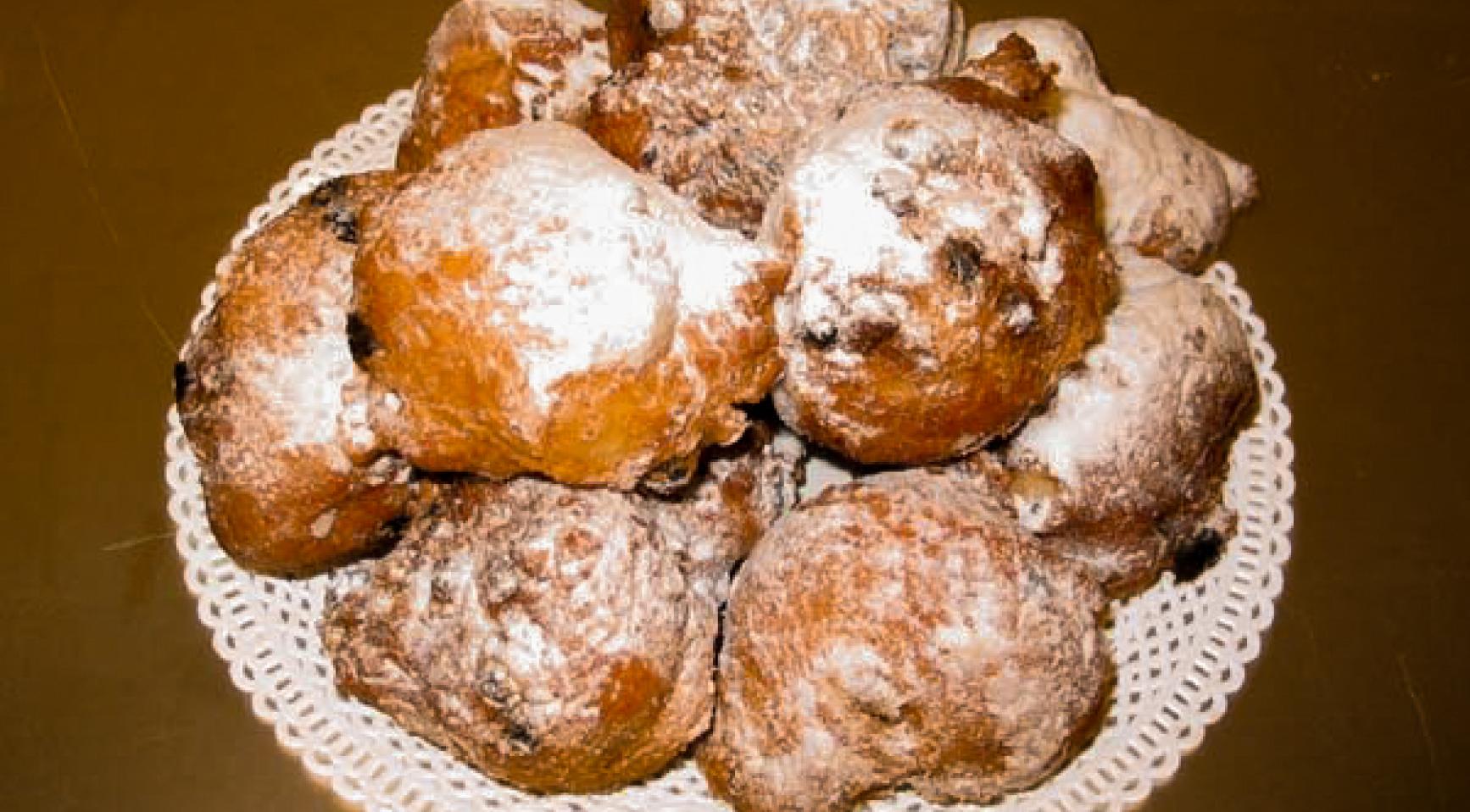
Dutch discard oliebollen frying fat down the toilet, leading to costly plumbing issues
A significant number of Dutch households are unknowingly contributing to costly plumbing and environmental issues by flushing used oliebollen frying oil down the toilet or drain, according to a new report from the water authorities. Approximately four out of ten Dutch people engage in this practice, which could lead to long-term damage to the country's sewer systems.
The habit of discarding frying oil down drains or toilets, while convenient, every year causes a high number of blockages in the nation’s plumbing systems. “Year after year, this problem grows, and our plumbers are called into action more often,” said Eric van der Blom, a sanitation expert with the Techniek Nederland. He explained that the issue is not due to an increase in the country's plumbing infrastructure, but rather because more people are flushing items like wet wipes, cotton swabs, tampons, and now, during the winter festivities, liquid frying oil.
Traditionally, cooking fat was sold in solid blocks, but with the rise of liquid oils packaged in bottles, the temptation to dispose of them improperly has become more widespread. “Once the frying oil solidifies inside pipes, it sticks to the walls of the plumbing, and everything else adheres to it,” Van der Blom said. “When a drain becomes clogged, a specialist needs to be called to unclog it, and the cost of hiring a plumber to clear such blockages could be far higher than the cost of purchasing frying oil for a lifetime.”
The proper disposal method for frying oil, according to experts, is simple: store it in an empty bottle or an old milk carton with a lid. A funnel makes the process even easier. The used oil can then be dropped off at over 2,500 collection points, ranging from recycling centers to supermarket locations, where it will be turned into biodiesel, contributing to environmental sustainability.
Additionally, consumers should be cautious of unscrupulous plumbers charging excessive fees, he warned. “Some charge 75 euros per meter, and if the blockage is further along the pipe, it can result in a significant, unexpected bill,” Van der Blom said. He advised residents to visit Techniek Nederland's website to find reputable professionals in their area and to receive an honest price estimate.
The damage caused by improperly disposed frying oil doesn’t manifest immediately. “The consequences of this convenience may not be apparent for weeks or months,” Van der Blom explained. Blockages build up gradually, with a discarded cotton swab or other small object acting as a “roadblock” where additional debris accumulates. Other foods, like leftover fondue, also pose similar risks when washed down drains or toilets.


