
Amsterdam’s first WorldPride begins Saturday; City expects 1 million visitors
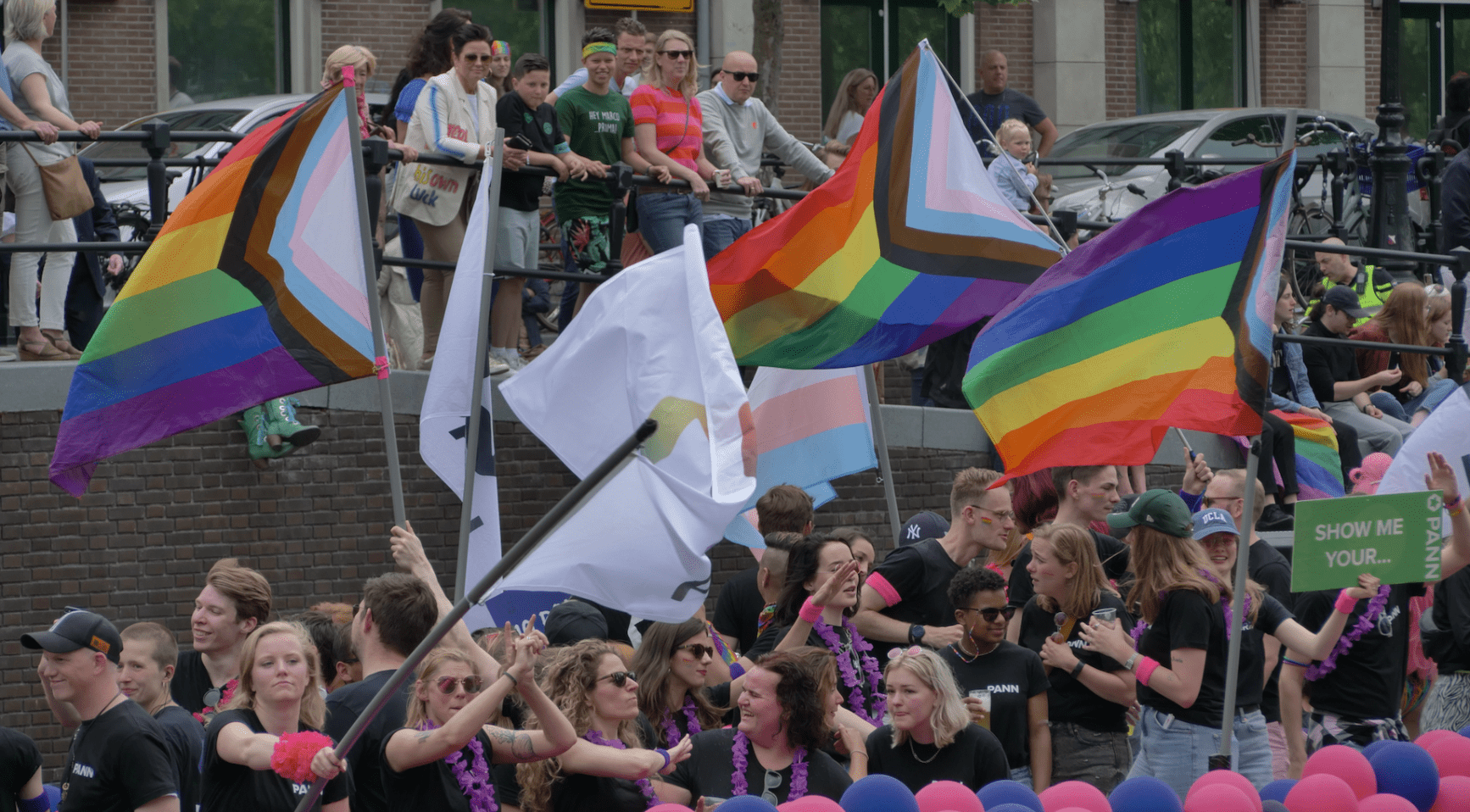
WorldPride, the international LGBTQIA+ event held every two years in a different city, begins today in Amsterdam for the first time. Queen Máxima opens the event this afternoon in the Vondelpark under the theme Unity. The schedule includes street parties, concerts, a human rights conference, and a Pride March to the Museumplein. The Canal Parade is set to take place halfway through the program.
Pride Amsterdam has already been under way since July 8 and runs through July 29. WorldPride gives the celebration a larger, more international scale with extra attention on the global fight for equal rights for LGBTQIA+ people.
Fifty-three distinctive buildings across the city will be lit in rainbow colors. A grandstand seating 10,000 will be set up on the Prinsengracht for the Canal Parade.
WorldPride has taken place in odd-numbered years since 2017, most recently in Washington, D.C. Amsterdam secured the 2026 edition after a successful bid. The timing coincides with several milestones: the 80th anniversary of human-rights group COC, 30 years of Pride in Amsterdam, and the 25th anniversary of the Netherlands becoming the first country in the world to open civil marriage to same-sex couples.
Siep de Haan co-founded Pride Amsterdam and its boat parade in 1996 with his husband, Peter Kramer, and Ernst Verhoeven. They organized the event “from beginning to end” for its first decade.
In the 1990s Amsterdam, unlike many large Western cities, still had no Pride. Elsewhere, such events often grew from protests against police violence, discrimination and slow legal change. “Amsterdam luckily did not have that ‘handicap,’” De Haan told NOS. "Here, from the 1970s and 1980s, it was already a gay paradise. The rainbow community was visible, and people felt safe. There was a lot of mutual respect.”
The boat parade was created to draw attention and establish Amsterdam as a gay nightlife destination. “Amsterdam is a small city compared to London, New York, and Paris. We needed something unique. This was our way to communicate with society: subtle, without walking with protest signs, but still showing that we are here,” De Haan told the newspaper.
The expected million visitors do not surprise him. “Three years after we started, we were already the third event of Amsterdam. And now we have been standing head and shoulders above for years,” he said, laughing.
Pride has become more political, De Haan said, reflecting wider social debates. He voiced concern over falling LGBTQIA+ acceptance among young people.
University of Amsterdam research earlier this year found that 41 percent of young people do not agree that everyone is equal regardless of whom someone falls in love with.
Pride spokesperson Martijn Albers stressed that the event is more than a party. A special WorldPride solidarity fund is bringing more than 150 activists to the Netherlands for the human-rights conference. The group includes people from countries where homosexuality is banned or where LGBTQIA+ people face serious danger.
“For us, marrying 25 years after the opening of the marriage has almost become self-evident,” Albers said. “For very many people from other countries it is still a dot on the horizon. At such a conference it is special how much you can learn from each other.”


