
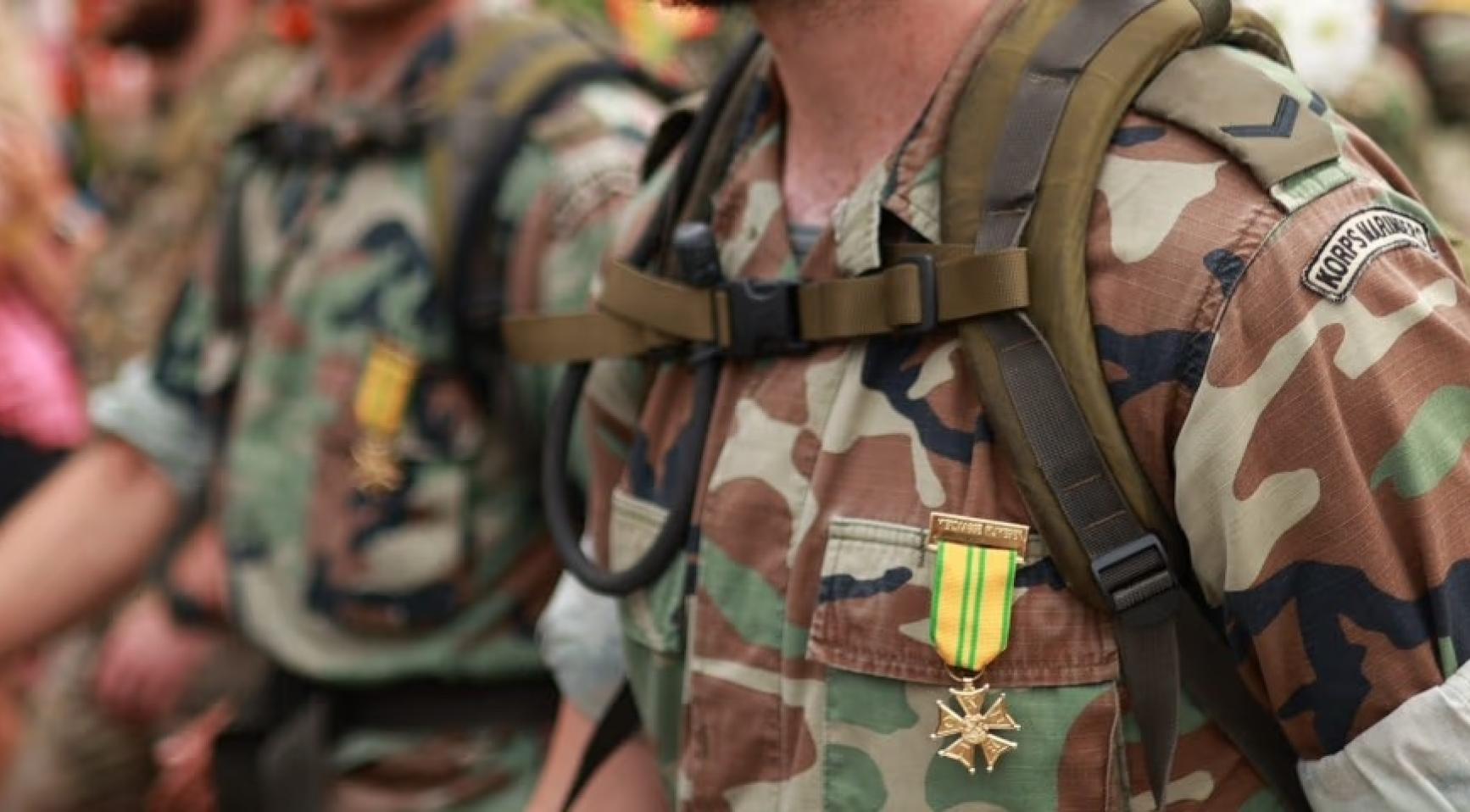
Walkers set off on the 108th edition of the Nijmegen Vierdaagse Marches
Early Tuesday morning, the first walkers set off for the 108th edition of the Nijmegen Vierdaagse Marches. The 50-kilometer walkers started at 4:00 a.m., followed by the 40- and 30-kilometer walkers a little later in the morning.
The first stage, known as Blauwe Dinsdag or Blue Tuesday, passes through the Betuwe region, including Elst, where the town center has been decorated in blue for the occasion. On Wednesday, the procession heads towards Wijchen, on Thursday to Groesbeek, and on Friday, the walkers will go via Cuijk towards the traditional entry on St. Annastraat in Nijmegen, better known during the Vierdaagse as Via Gladiola.
Of the 47,000 people who had registered, 1,239 did not show up. How many walkers will reach the finish line on Tuesday will become clear during the course of the day. The 40 kilometers is the most popular distance; 38.7 percent of participants chose this route.
At 46.8 years, the average age of the participants is slightly lower than last year’s 47.2. The Vierdaagse walkers are getting younger and younger. In 2019, the average age was still 53. The oldest walker who registered this year is 92; the youngest is 11.
The Red Cross is once again providing first aid to the walkers this week with hundreds of volunteers. The organization is celebrating its 80-year partnership with the walking event this year. The focus is usually on pricking blisters, but walkers also come to the Red Cross with ailments like insect bites and overheating.
According to Weeronline, walkers are lucky with the weather this year, with clouds and sun and maximum temperatures of 21 to 24 degrees. Nevertheless, the Red Cross warns to always set out well prepared and, for example, to bring a cap. “In addition, the motto remains: apply sunscreen, hydrate, and eat enough, but in small portions.”
The organizers of the Vierdaagse do not expect to be affected by the water shortage that was announced in the Netherlands last week. “Drinking water and energy supplies take priority in water distribution, and that is what is important to us,” said a spokeswoman.
The drought does, however, affect the pontoon bridge that the Ministry of Defense always lays across the Maas near Cuijk for the final day of walking. Surveys showed that the bank at Mook could not be reached if the emergency bridge were laid in the regular manner. Now, an older end pontoon is being used, allowing the bridge to be laid from bank to bank.
Reporting by ANP


