
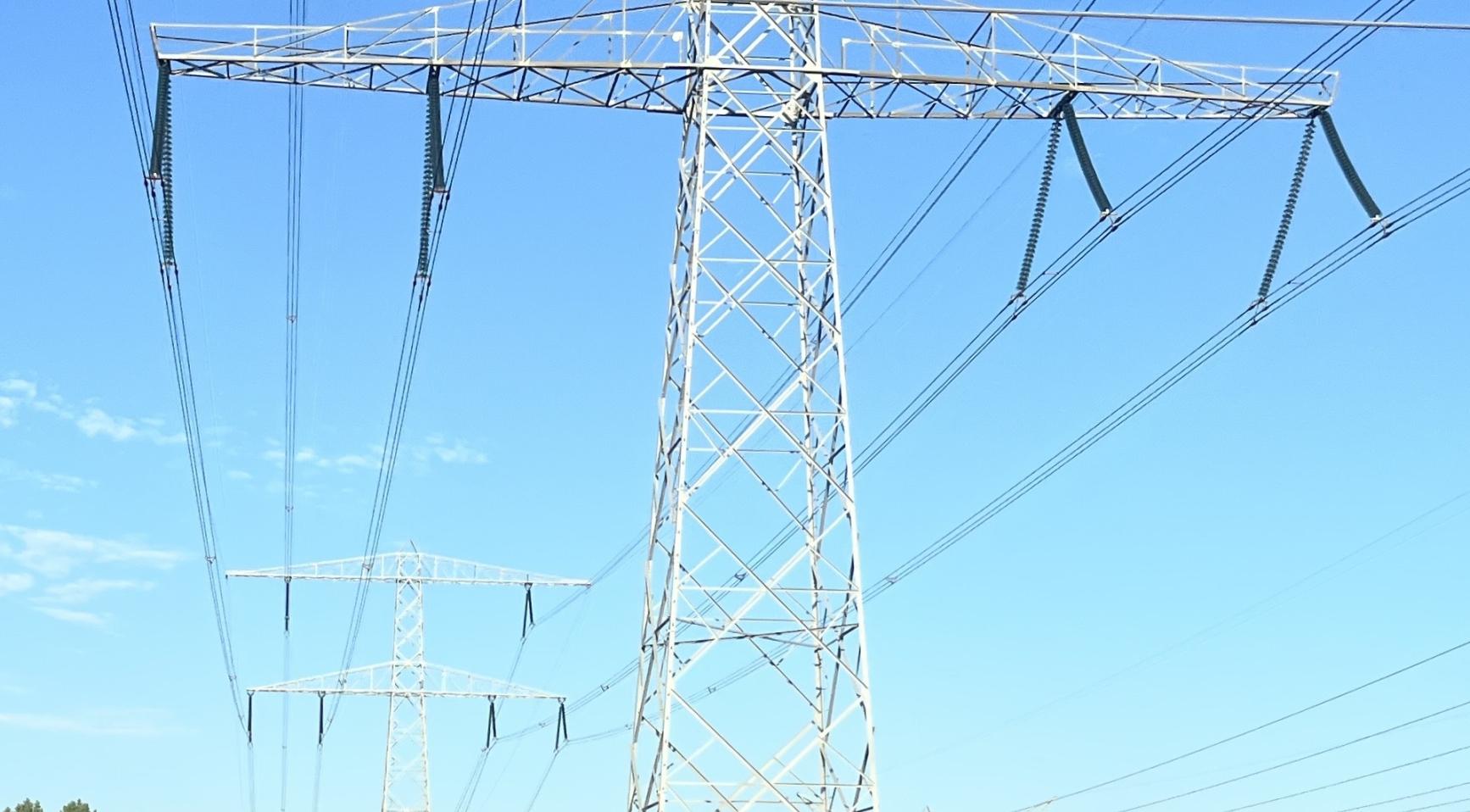
Gas generators placed around Utrecht as emergency measure against grid congestion
Power company Stedin is placing gas generators in at least four locations around Utrecht as an emergency measure against grid congestion. The devices generate electricity by burning natural gas and can supply this electricity to the local power grid. They’re needed to keep the lights on this winter, Aline Arends, operational director at Stedin, told NOS.
“It was a very difficult decision,” Arends said about the plan to place generators that run on fossil fuels. “But the power grid in Utrecht is completely full.”
Almost the entire Netherlands is struggling with a congested power grid, but the problems are worst around Utrecht. From the start of this month, no new connections are happening. Both households and businesses wishing for a new or larger connection are placed on a waiting list.
The first gas generator is being placed in the district of Strijkviertel. Stedin still has enough capacity on its own grid in the district, but the congested high-voltage grid further down the line is a problem. As a result, Stedin can’t transport sufficient electricity to this location during peak times, such as cold winter days when everyone turns on the heating. The gas generators are intended to prevent power outages at such times.
Arends expects the gas generators will run for a few days a year. For the rest of the time, they will be switched off and burn no natural gas. Stedin does not expect the generators to lead to significantly more CO2 emissions. “We call it transition gas, or a bit of grey before green, because ultimately, the energy transition has to keep going,” Arends said. The gas generators will enable sustainability elsewhere, which will ultimately lead to lower emissions, she said.
National grid operator TenneT is working on reinforcing the high-voltage grid. North of Utrecht, TenneT is building a high-voltage substation and expanding the existing one. This will be completed in 2031 at the earliest.


