
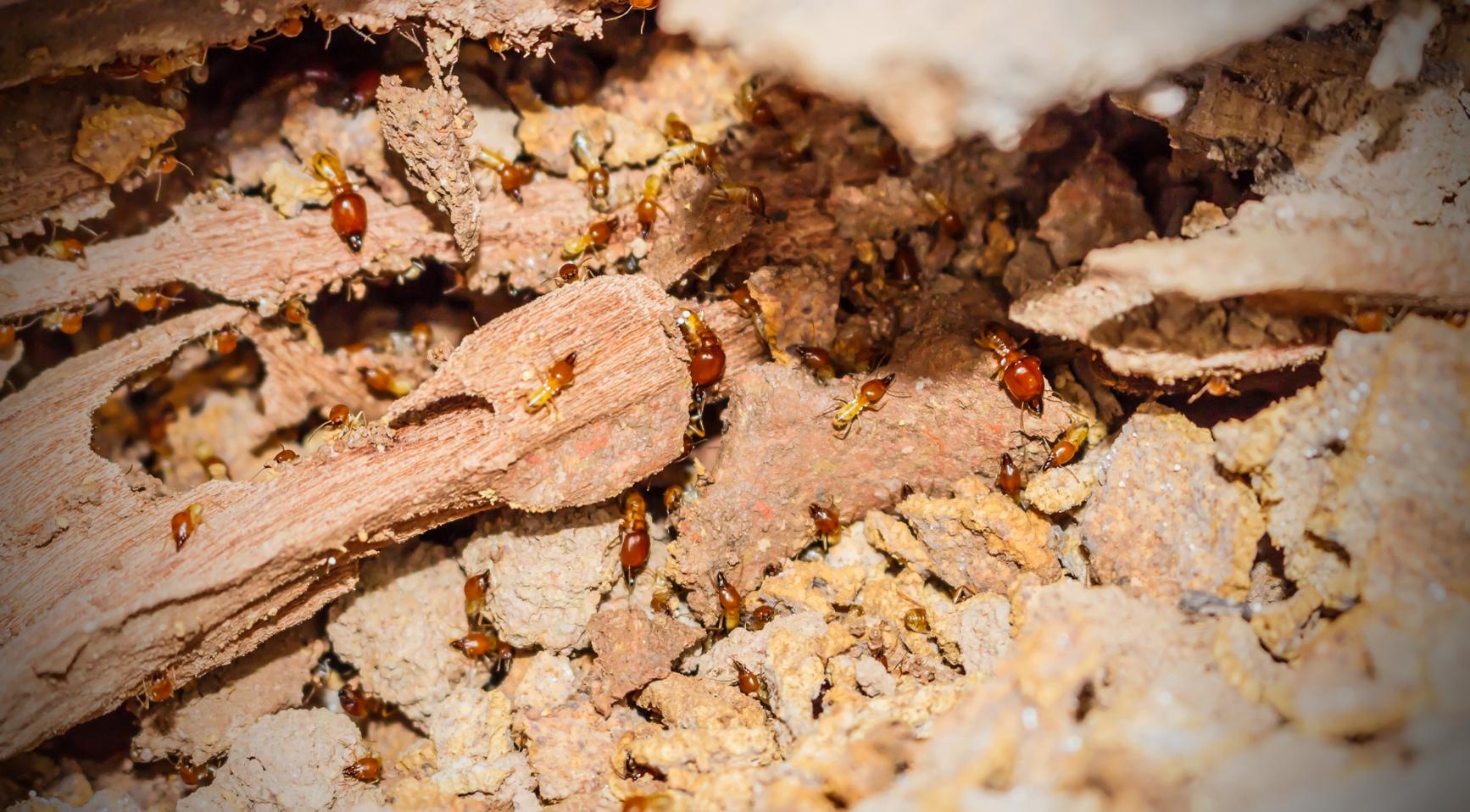
Termite colonies growing in Netherlands through wood trade, study finds
A growing number of termite colonies have established themselves in the Netherlands, according to a risk scan commissioned by a bureau of the Dutch Food and Consumer Product Safety Authority (NVWA). Researchers say the insects, which do not occur naturally in the Netherlands, are appearing more frequently than previously believed and may pose an increasing threat to wooden structures and plant materials, NOS reports.
The study concludes that the Ministry of Agriculture, Fisheries, Food Security, and Nature should take measures to address the spread. Termites can cause damage to wooden buildings, trees, and wood-based products.
The study identifies international trade in woody plants as the primary pathway for introduction. Mediterranean-origin trees, especially olive trees, are specifically cited as a key vector.
Additional pathways include container shipping and wood transport. Researchers also found indications of limited online trade in termites as pets, which are ordered over the internet and delivered by mail.
Researchers have identified colonies from six different termite species in the Netherlands, with each species represented by one to three known colonies. However, they caution that the actual number of colonies is likely significantly higher, as termites can remain hidden for long periods in wood or soil.
Termites live in colonies ranging from hundreds to millions of individuals. They are typically subterranean, live in tropical and subtropical regions, feed on plants and dead wood, and are closely related to cockroaches. Most species measure only a few millimeters, though some can grow up to about 2 centimeters.
The findings build on earlier detections. In 2019, termites were first reported in the Netherlands after being discovered in a building in rural Zuid-Holland. Attempts at eradication following that discovery were unsuccessful.
In 2023, authorities confirmed for the first time that harmful termite colonies had become established in the country, specifically identifying the American subterranean termite.


