
Netherlands residents wasting less food; Still trashing 25 kg per person per year
Last year, each resident of the Netherlands threw away an average of 25 kilograms, according to a food waste study by the Netherlands Nutrition Center, published every three years. That amounts to around €100 of wasted food per person in 2025. Food waste has decreased compared to previous studies, 28 kg in 2022 and 30 kg in 2019, but is still far from the target of 18 kilograms of wasted food per person in 2030, NOS reports.
Nutrition Center researchers randomly examined the waste containers of 130 households in 13 municipalities and the organic waste of 120 households in 12 municipalities. They found that people most often throw away bread, vegetables, fruit, and potatoes. Combined, these products make up 53 percent of food waste.
The target of 18 kilograms of food waste per person per year is a United Nations Development goal for combating climate change. It is also better for consumers’ wallets to eat what they buy, the Nutrition Center points out.
According to the Nutrition Center, the Netherlands will not decrease food waste by another 5 kilograms per person by 2030 at the current pace. “We are reasonably on our way, but we must take extra steps in the coming years to be able to achieve the goal,” said Lilou van Lieshout, sustainability expert at the Nutrition Centre. “At the beginning, the decline was rapid. We started implementing the things people could easily do. Now it is becoming difficult, but opportunities remain.”
People will have to change their behavior further. There are still some easy options, such as never going shopping for groceries when you’re hungry, the researchers said. Storing your food appropriately will also help a lot.
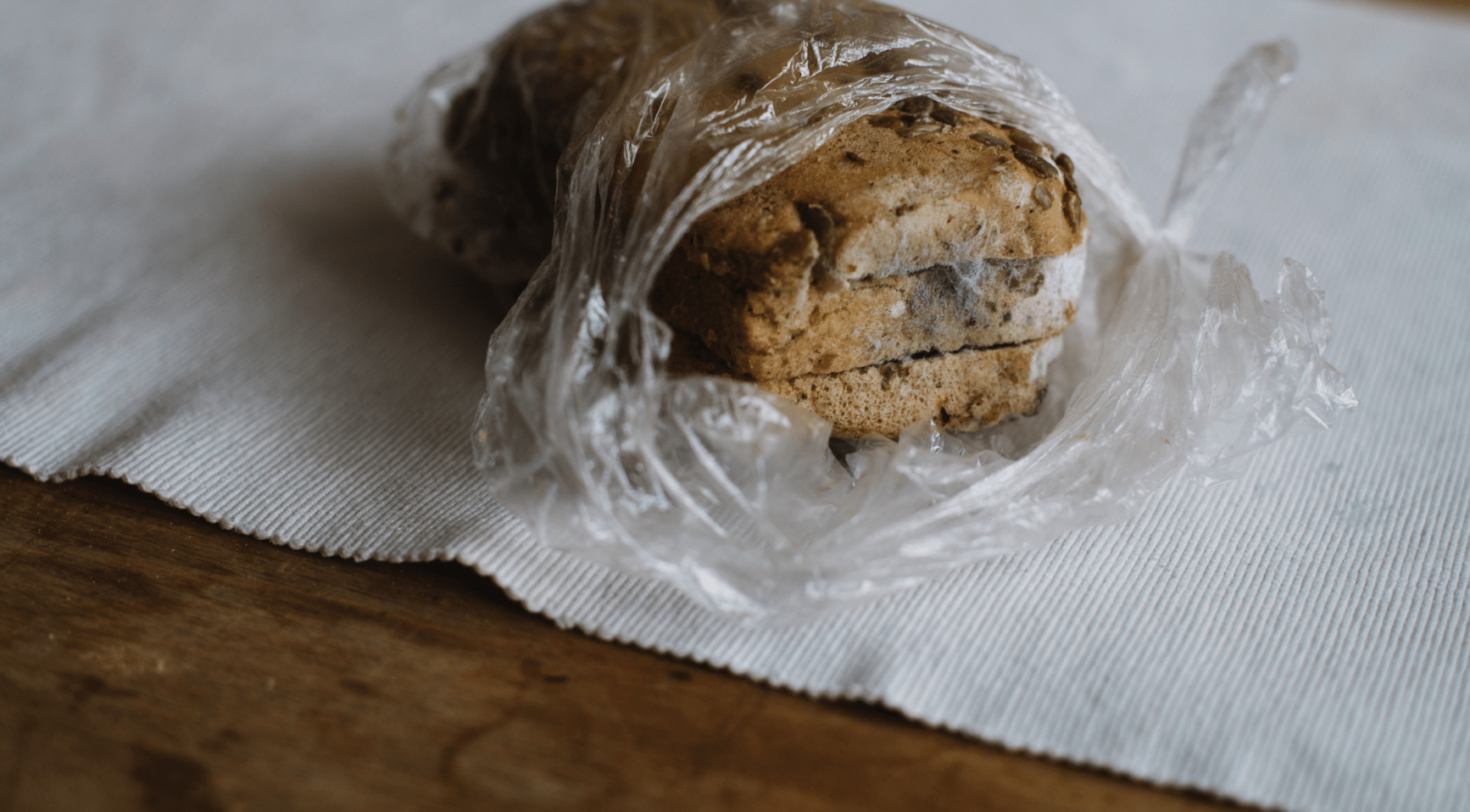
According to Van Lieshout, the greatest gains can be made with bread and dough products. The simplest solution is to freeze these products immediately after purchase and thaw them out in portions.
Many people also do not know how to store certain foods. “Many people store tomatoes and citrus fruits in the refrigerator, while they keep better at room temperature. Apples and pears, on the other hand, do well in the refrigerator. Place a few pears in the fruit bowl to ripen and keep the rest in the fridge.”
Raising awareness regarding expiration dates is another recommendation. According to researchers, many Dutch don’t understand the difference between “best before” and “use by” dates. “The ‘best before’ date is a guideline, a quality guarantee up to a certain date. After that, you can still use the product; it is then a matter of smelling and tasting,” Van Lieshout explained. The “use by” date is about food safety and is more rigid.


