
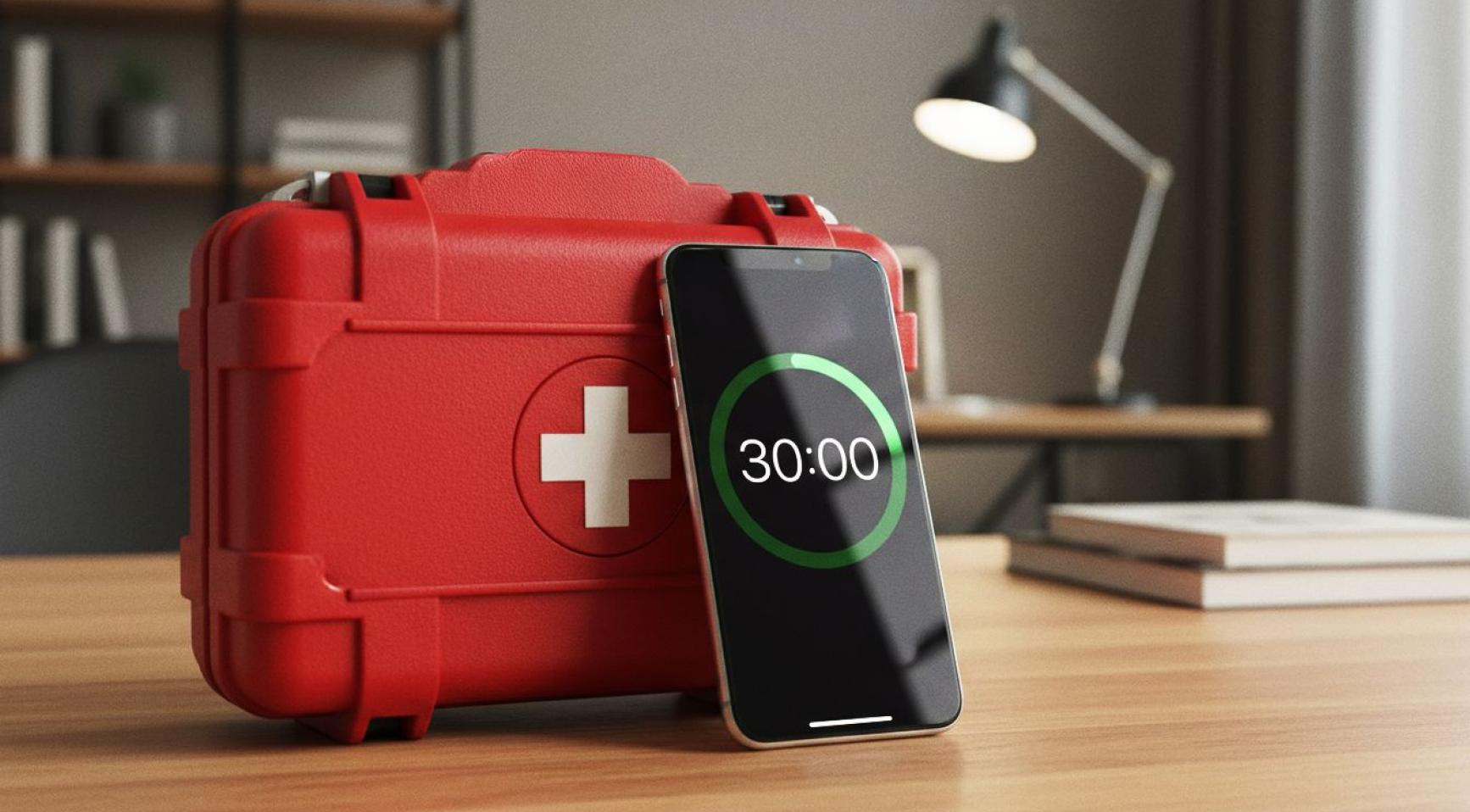
The Netherlands says we need 72-hour survival kits; You can assemble one in 30 minutes
With government agencies urging residents to be self-sufficient for at least 72 hours during major disruptions, more people in the Netherlands are reconsidering how prepared they actually are. Power outages, extreme weather, and temporary breakdowns in basic services are no longer abstract possibilities and yet most households still don’t have a complete noodpakket, the emergency kit recommended for short-term crises.
Many residents say they know an emergency kit is important, but haven’t assembled one because the task feels complicated or time-consuming. For expats, unclear Dutch guidelines and language barriers often make the process even harder. The reality: creating a functioning 72-hour kit can take as little as 30 minutes, and requires only a handful of essential items. Here's how:
1. Start With Simple Questions (5 minutes)
Emergency kits aren’t one-size-fits-all, so it helps to begin with a quick assessment of your household. Consider how many people live with you, whether there are children or pets, and which parts of your daily routine rely entirely on electricity. Think, too, about how you’d get home if public transport stopped. While these questions may seem tedious, it helps you to feel more prepared when a situation actually does occur.
2. Gather the Essentials (10 minutes)
Now you have a clear picture of your needs, and you can focus on the core items that form every 72-hour kit. This already puts you on a path towards being better prepared than most of the country. Only 18 percent in the Netherlands have created an emergency plan, 17 percent have agreed on a meeting point if communication breaks down, one-third have enough drinking water for three days, and more than half say they cannot cook without electricity. This is a great starting point for your plan.
Keep Enough Water On Hand
Water is the top priority: roughly 3 litres per person per day covers drinking and basic hygiene. It can also be helpful to store a small amount of additional water specifically for household use for example, flushing toilets if running water stops. Many apartment residents don’t realise taps above the first floor may stop working quickly if water pumps lose power. As a guideline, many households should set aside roughly an extra 3–6 litres per person of non-drinking water for this purpose, depending on the number of people and how often the toilet is used.
Have Useful Food for Your Household
Next is food that requires little or no cooking, items such as canned meals, dried snacks, nuts, energy bars or baby food if needed. It also helps to include a few foods you genuinely enjoy. In stressful situations, tasty snacks can bring a bit of comfort, whether that means a favourite chocolate bar, a packet of crisps or the treats your children normally reach for.
Prepare for Electricity Cuts
Light and power come next. A charged power bank, a flashlight or lantern and a few spare batteries ensure you can navigate safely in the dark and keep essential devices going. For communication, make sure you have charging cables and, ideally, a battery-powered or rechargeable radio, as well as a written list of important phone numbers should your mobile phone die.
Keep Clean and Healthy
A few hygiene items also go a long way: toilet paper, trash bags and wet wipes can help maintain comfort when running water is limited. A small first-aid kit is helpful, too. And finally, set aside some cash. In a digital outage, card payments may not work, and having cash on hand makes life easier.
3. Add Specific Household Needs and Medicines (10 minutes)
Beyond the basics, customise the kit to your situation. Families with children often benefit from including warm layers and a couple of old school board games and card games. Keep in mind, smartphones drain quickly and may not work without internet, so some form of entertainment may prove a useful distraction.
Those with medical needs should add a short supply of essential medication and copies of important documents. Don't forget about basic painkillers that your family uses, but also bandages and plasters.
Pet owners should remember to set aside extra food and water for the animals. A leash, and possibly a carrier, may be needed to keep animals safe and calm during disruptions.
4. Store Everything in One Accessible Place (5 minutes)
Finally, put all items in a single, easy-to-reach location somewhere you can access even during a power outage. A labelled plastic storage box or cupboard works well. Make sure everyone in your home knows where it is, and check it twice a year to keep supplies fresh and ready.
Is there an easier way, like a one-stop-shop for survival kits?
For all immigrants, whether expats, international students, family members or migrant workers, language barriers and unfamiliar recommendations can make preparing harder than it needs to be. If you want to see what’s commonly included in a Dutch noodpakket, or prefer to get everything in one place, you can go to Prepoos.com
Prepoos (pronounced prep-ohs) is a webshop available in English and Dutch, focused on emergency preparedness, offering a curated selection of high-quality emergency and survival items, with clear explanations. Prepoos is locally based with delivery times between 1-3 days, making it quick and easily accessible. For many people, it makes it possible to put together a complete 72-hour emergency kit in about 30 minutes with one click of a button.
Concluding Thoughts
Even though it is just so easy to assemble an emergency kit, and even though public concern is rising, preparedness remains surprisingly low. About 60 percent of residents believe the likelihood of a state of emergency is higher now than a year ago, but only 31 percent have a noodpakket at home. Just 54 percent keep enough cash on hand to manage if digital payments fail.
Prepoos puts you in a great position to be ready for whatever crisis situation may happen in the Netherlands.