Netherlands News in English

Main navigation

  • Top stories
  • Health
  • Crime
  • Politics
  • Business
  • Tech
  • Culture
  • Sports
  • Weird
  • 1-1-2
Image
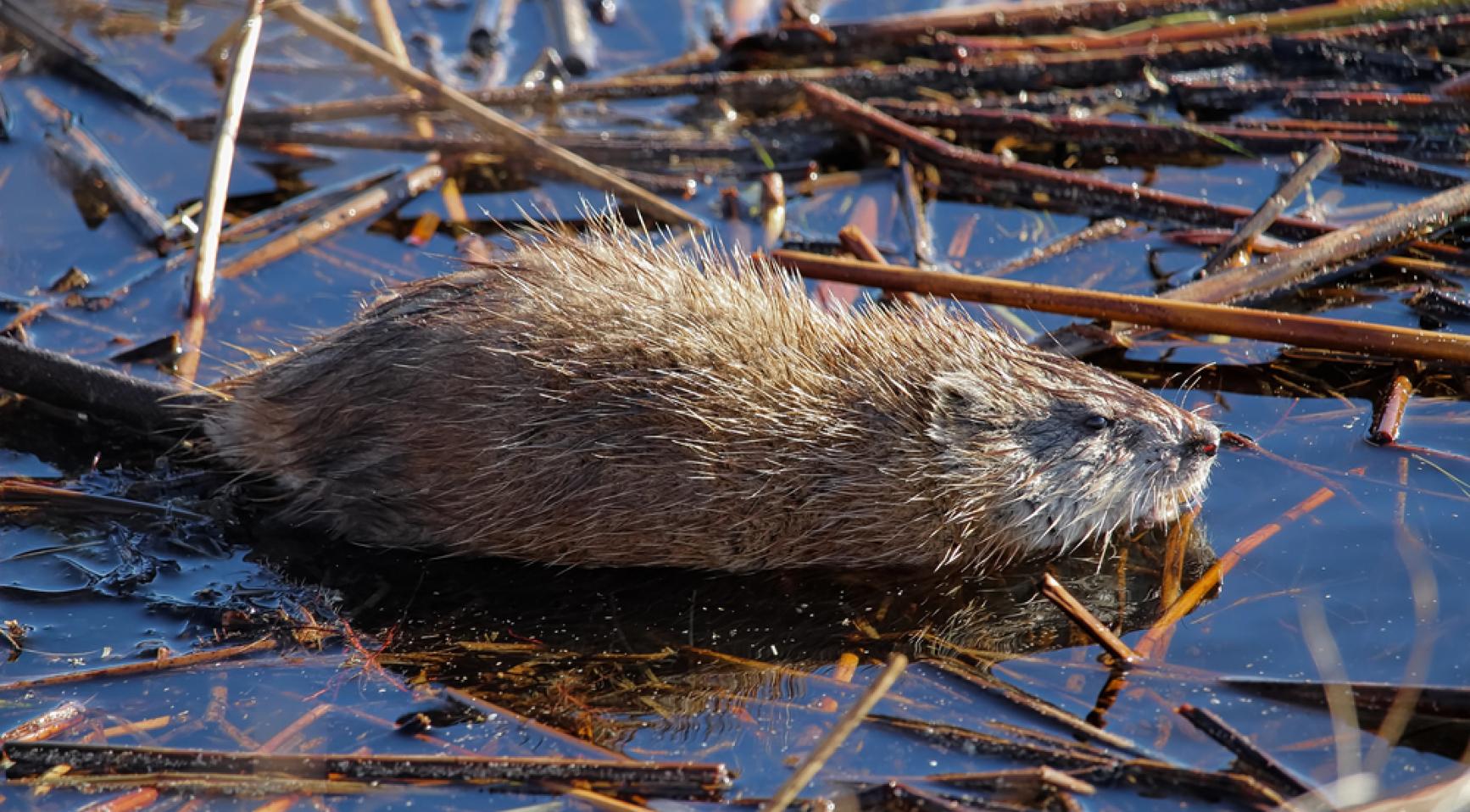
A young muskrat sits still in shallow water
A young muskrat sits still in shallow water - Credit: Akchamczuk / Depositphotos - License: DepositPhotos
Nature
muskrat
Coypus
Germany
rising water levels
Dikes
Dutch water authorities
Saturday, 1 February 2025 - 06:30

Share this article:

Significant increase in captures of muskrats and coypus due to rising water levels

The Dutch Water Authorities (UwV) caught considerably more muskrats and coypus last year. They tracked down over 65,000 muskrats, which is an increase of 29 percent. The number of coypus that were found increased by 13 percent to more than 1,860, the Dutch Water Authorities reported.

The authorities think that the high water levels in the winter and autumn largely led to the increase of muskrats and coypus. Many rodents came into the country from Germany. They could no longer reach their caves due to the high water there, and this led to them seeking solid ground downstream in the Netherlands. The water authorities caught most of the animals in the border area, said the UvW.

Muskrats and coypus are traced and caught as they can cause damage to dikes and waterways by digging holes and tunnels. This can cause dikes and quays to subside and, in the worst case, break through.

The rodents are also invasive species that do not naturally occur in the Netherlands and pose a threat to biodiversity, said the Dutch Water Authorities. The muskrat is hardly seen in the Netherlands. Almost all of the muskrats caught (over 95 percent) are done along the German border, said the authorities.

The UwV wants the muskrats to have almost completely disappeared from the Netherlands by 2034. This will be the case if fewer than 500 muskrats are caught per year domestically, according to the authorities.

“European agreements about professional control of muskrats and coypus are sadly not getting off the ground enough,” said UwV chairman Vincent Lokin about the plans to combat rodents. "The influx from abroad due to the high water shows that this is important for the Netherlands. The water authorities want to focus on more intensive cross-border cooperation, both nationally and regionally."

Reporting by ANP

More like this

Image
Raccoon dog standing in grass
Limburg warns of “serious infestation” risk as raccoon population spreads
Image
Emergency services at the scene of an explosion and fire on Osdorper Ban in Amsterdam Nieuw-West, 12 June 2026
Suspects in Amsterdam explosion officially investigated for planning ATM bombings
Image
German border
Germany to end fuel tax discount, set to narrow price gap and curb Dutch fuel tourism
Image
NS Intercity train
NS and Deutsche Bahn plan up to six daily trains between Amsterdam and Rhine-Ruhr region
Make NL Times your top Google source

Follow us:

Latest stories

  • Public transport strike from 4 a.m. to 8 a.m.: No trains, buses, trams, metros running
  • Heat stress rising in workplaces, experts urge immediate preparation
  • Incoming Heineken chief receives 25 million euro share package
  • New Utrecht Council to push home construction, low-cost housing; Property tax up 15%
  • Wildfire risk rises as heat drives up drought pressure across the Netherlands

Top stories

  • Public transport strike from 4 a.m. to 8 a.m.: No trains, buses, trams, metros running
  • Life sentence sought for Dutch-Rwandan man over massacre of 3,000 Tutsi in 1994 genocide
  • Dutch official joins EU talks with Taliban on return of rejected asylum seekers
  • NS cancelling trains on key routes this week due to heat; Passengers will need water
  • Heineken board taps JDE Peet’s exec. Rafa Oliveira as new CEO

© 2012-2026, NL Times, All rights reserved.

Footer menu

  • Change Privacy Settings
  • Privacy Policy
  • Contact
  • Partner Content