
Sweltering heat sparked surge in insects in North Holland
Sweltering summer heat has accelerated insect reproduction across Noord-Holland, prompting a sharp rise in pest control calls as colonies of ants, moths, flies and other insects expand rapidly, experts said Tuesday.
Temperatures above 25 degrees Celsius speed up development from egg to larva to adult for most insect species, allowing populations to boom in a short time, according to Gerhard Geurtse from the Kennis- en Adviescentrum Dierplagen, or KAD. "From egg to larva and eventually to adult insect, it goes faster. That actually applies to virtually all insect species," Geurtse told NH.
The KAD has received many more inquiries this summer from residents battling infestations. Pest control companies are also reporting a noticeable increase in demand.
"As soon as it gets warm, reproduction goes a lot faster. Then it really explodes," said Richard Piké of Beestjes Kwijt pest control.
Ants have created the most immediate headaches. Warm conditions have helped colonies grow quickly, sending the insects indoors in large numbers in search of food. A single crumb or sweet drink is often enough to draw long trails of ants into kitchens in areas including Haarlemmermeer, the Gooi region, IJmond, Noordkop & Texel, Schiphol, West-Friesland, and Zaanstreek-Waterland.
Moths are also surging. Food moths, known as pantry pests, lay eggs in long-shelf-life products such as rice, flour, macaroni and nuts. Heat makes the eggs hatch faster, larvae develop more quickly and adults spread throughout homes to lay more eggs.
Clothing moths present a separate problem. Their larvae feed on wool, carpets, fur and other fabrics, chewing holes in clothing and other items. Adult moths do not cause this damage.
"Outside of summer, it stays at a few moths. But when it gets warmer outside, reproduction goes much faster. We are really noticing in recent weeks that it is getting busier," Piké told NH.
Experts advise storing dry food products in airtight jars or containers. If larvae or webbing appear, the packaging should be discarded immediately.
Flies, especially meat flies and carrion flies, are thriving in the high temperatures, Geurtse said. They congregate around food scraps, trash bins and compost piles.
"At warm weather, flies can furthermore reproduce extremely fast. A forgotten garbage bag, barbecue waste or organic waste container quickly becomes an attractive place to lay eggs. As a result, people can see many more flies around the house or in the garden within a short time," he noted.
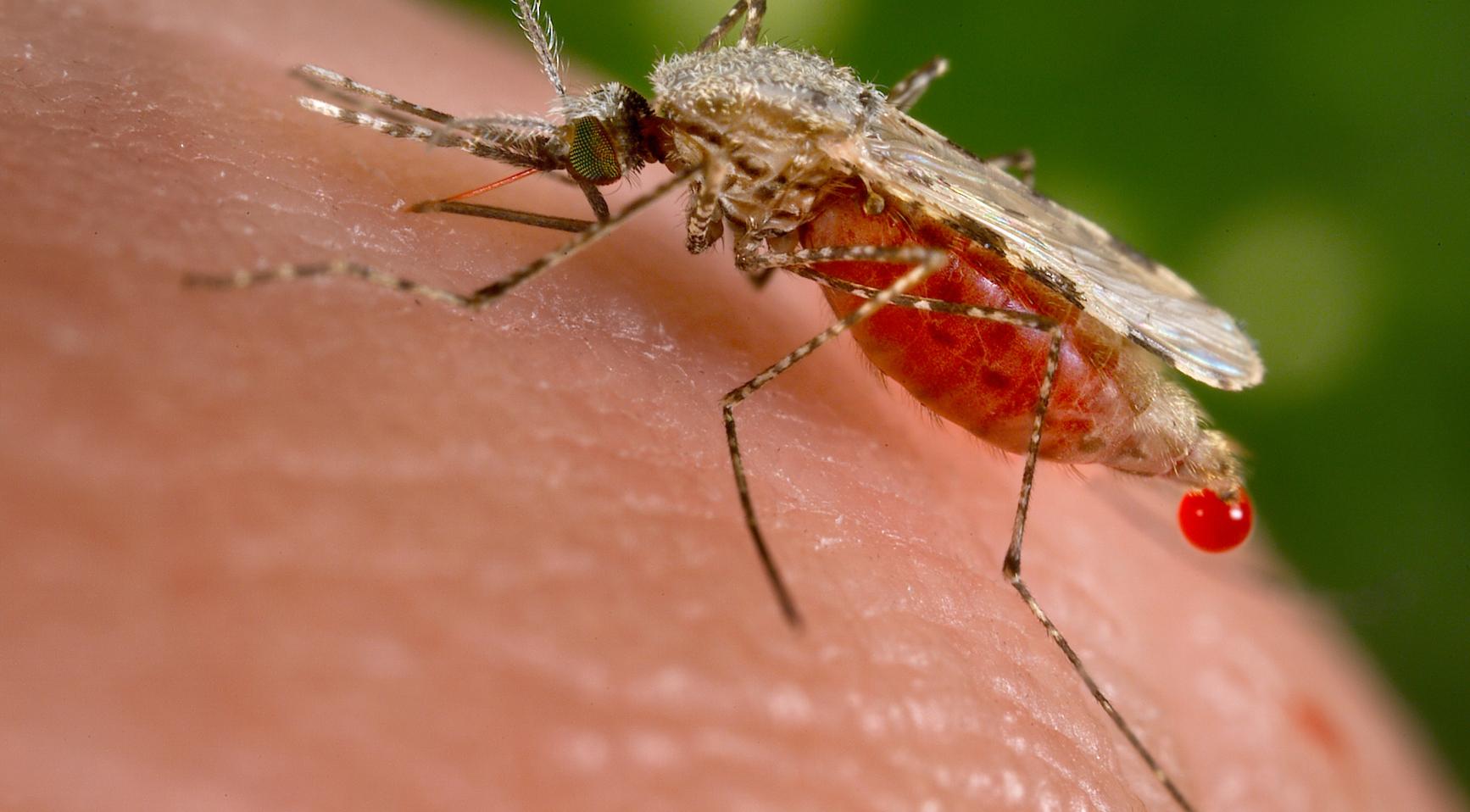
Mosquitoes also develop rapidly in warm conditions but need standing water to breed. Rain or leftover water in rain barrels and buckets can lead to quick population growth.
Wasp activity remains relatively calm for now. Their nests are still developing, Geurtse said, and significant problems typically arise later in summer when colonies grow larger and the insects become more aggressive in their search for sweets.


