
Rotterdam money laundering case linked to famous British gold heist
A Rotterdam money laundering case settled with a fine of €70 million can be linked to the most famous gold heist in British history, the Financieele Dagblad reported. The newspaper traced the money in a Rotterdam investment company’s ING bank account to a British man who was linked to the Brinks-Mat heist in 1983. After much questioning, the Rotterdam Public Prosecution Service (OM) confirmed the fine for money laundering “without an underlying offense,” meaning that it could not prove which crime the laundered money stemmed from.
FD linked the gold heist and the money launderer, Geoffrey Greenlees, based on Dutch court rulings and British publications. According to the newspaper, the OM kept this case completely under wraps until FD asked about it.
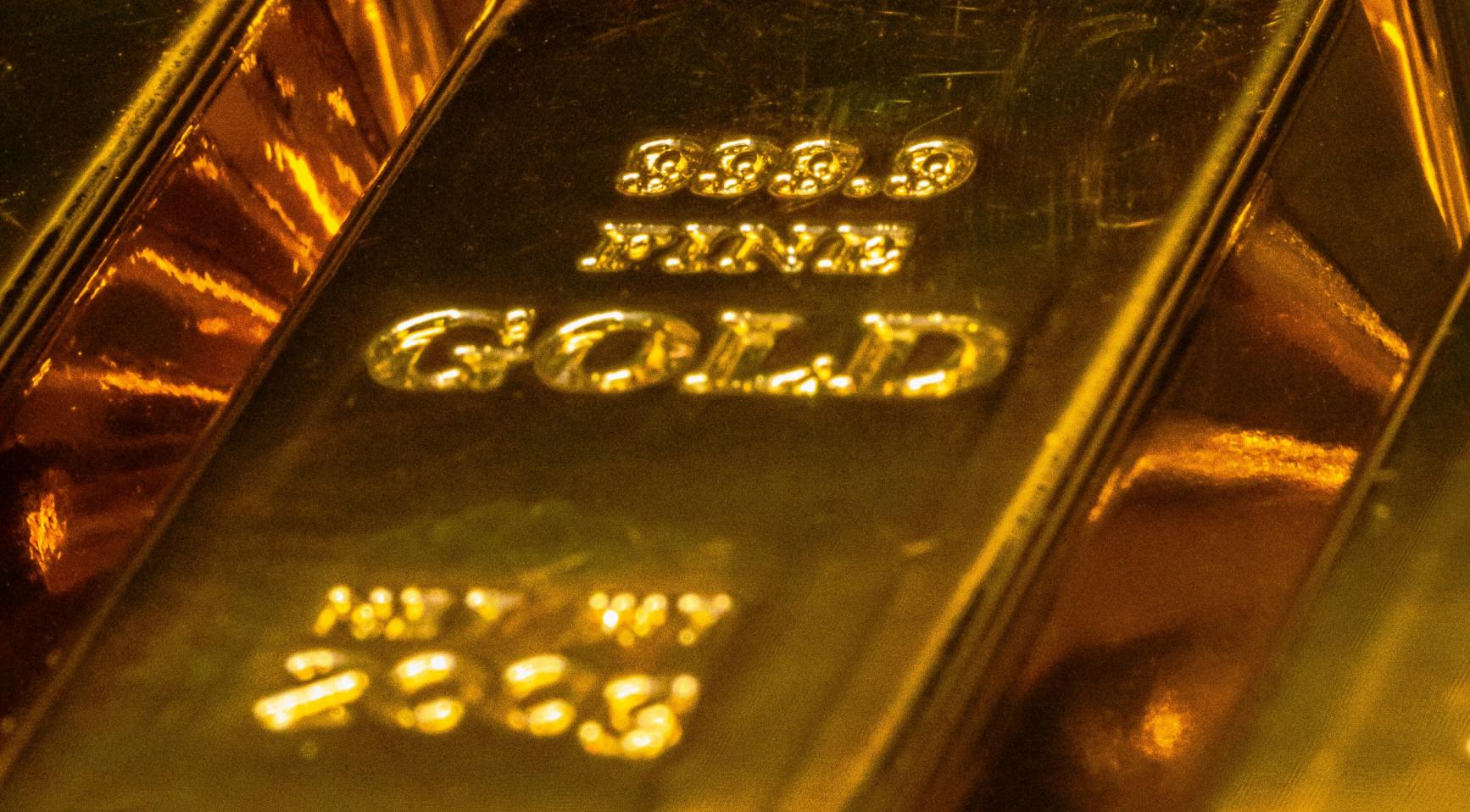
In November 1983, six armed men broke into the vault of security company Brink’s Mat at Heathrow Airport and stole 3 tons of gold bars. At the current gold price, that is worth €357 million. After the robbery, the gold was melted down and laundered through numerous tax havens. Several robbers and money launderers have been convicted, but the majority of the gold was never recovered.
Geoffrey Greenlees, the focal point of the Dutch investigation, first surfaced in connection with the gold heist during a court case in 1990. Jean Savage, a girlfriend of one of the perpetrators, was on trial for laundering £2.5 million from the heist. She deposited several plastic bags filled with £50 notes at a bank in Croydon, South London. According to the British authorities, that money was transferred to one of Greenlees’s accounts in Dubai.
The London police launched a manhunt for Greenlees, but never managed to arrest him. He died in 2021, at the age of 84, without ever being questioned or arrested.
In 2016, Greenlees’s name surfaced in the Panama Papers, leaked from the law firm Mossack Fonseca. He was listed as a shareholder and director of numerous shell companies based in tax havens like the Cayman Islands and Samoa. One of these shell companies led to Rotterdam.
Via a structure involving Curaçao, Australia, and the Cayman Islands, Greenlees was the owner of the investment company MCL Nederland. ING, where MCL had deposited over €70 million, started asking questions about Greenlees in 2015 and froze MCL’s account. The FIOD, the tax authority’s investigative department, seized the account in early 2017 on suspicion of money laundering.
After six years of investigation and after Greenlees’s death, the OM fined MCL €70 million in 2024 for money laundering. €52.5 million of that amount went to the Australian tax authorities, the remainder to the Dutch treasury.
The OM confirmed to FD that the criminal investigation into MCL and Greenlees began following a report by a bank. The Brink’s Mat heist initially played a role in the investigation, but the OM could find no evidence that the money in the account was linked to it, a spokesperson told FD. The company was convicted of “money laundering without an underlying offense,” which means that it is unclear where the money came from, but the circumstances are so suspicious that no legal origin is possible.
The OM did not explain how it was unable to prove a link to Brink’s Mat, nor why the majority of the fine went to the Australian tax authorities. MCL’s lawyers refused to speak to FD. ING and the Australian tax authorities told the newspaper they could not comment on individual cases.


