Amsterdam population growth slowing down, wealth gap increasing
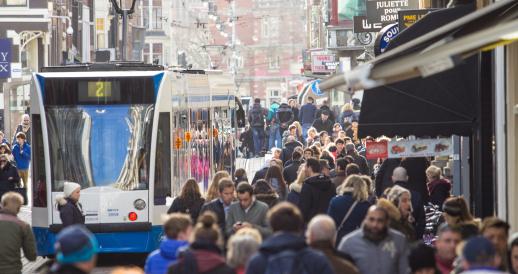
Amsterdam’s population grew by 28 percent since 2000, but the growth slowed down significantly last year, mostly due to fewer immigrants moving to the city. The wealth gap in the Dutch capital is also increasing, especially between tenants and homeowners.
This data comes from the State of the City of Amsterdam 2024-2025, a bi-annual report by Amsterdam’s statistics agency O&S.
Since 2000, Amsterdam’s population has grown by 28 percent to approximately 935,000 residents. That is double the Netherlands’ population growth in the same period (+14%). On average, Amsterdam’s population has grown by 10,000 people per year since 2008. That growth slowed down significantly last year, when the number of Amsterdam residents only increased by 2,600.
Last year’s growth was lower mainly because fewer people moved to Amsterdam. The number of people settling in Amsterdam from abroad decreased by 7,100, and the number of people moving to the capital from elsewhere in the Netherlands decreased by 2,800 compared to the year before. At the same time, 2,300 more Amsterdam residents emigrated abroad.
The city’s statisticians expect the Amsterdam population to continue growing to 1.1 million residents in 2055. Amsterdam’s housing stock grew by over 6,000 homes last year to 487,000. This number is expected to increase by approximately 117,000 new homes by 2055.
The report also showed that the wealth gap in Amsterdam is growing, partly due to the situation in the housing market. Home prices have skyrocketed in recent years, and that has increased the wealth inequality between homeowners and tenants significantly. The average home in Amsterdam now costs around €618,000, well above the national average of €451,000.
Amsterdam also has a relatively high number of low-income households (17 percent) and high-income households (15 percent). A third of Amsterdam residents struggle to make ends meet. For low-income households, three-quarters struggle to make it to the end of the month.
The report also showed that general well-being among Amsterdam residents is slowly recovering after the coronavirus pandemic. Two-thirds of Amsterdam adults consider themselves happy. “This is lower than the national average, but the downward trend appears to have halted,” the city said. On average, Amsterdam residents score their lives a 7.2 out of 10, the same as the previous State of the City report.
Amsterdam residents give their neighborhoods an average score of 7.5. “This rating has barely changed since 2015.” Confidence in how their neighborhood has declined slightly almost everywhere, most sharply in the Centrum district and Osdorp neighborhood.