
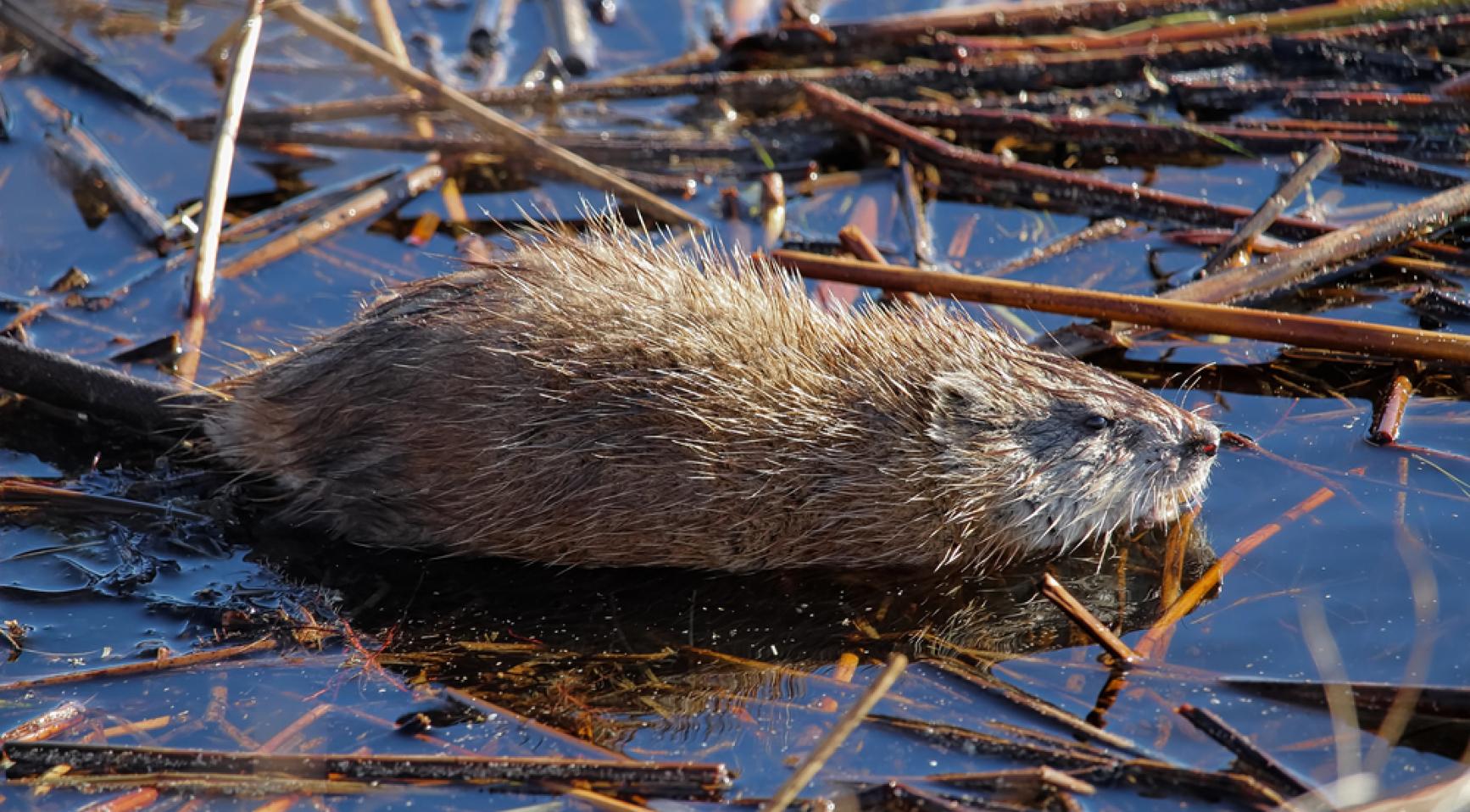
Significant increase in captures of muskrats and coypus due to rising water levels
The Dutch Water Authorities (UwV) caught considerably more muskrats and coypus last year. They tracked down over 65,000 muskrats, which is an increase of 29 percent. The number of coypus that were found increased by 13 percent to more than 1,860, the Dutch Water Authorities reported.
The authorities think that the high water levels in the winter and autumn largely led to the increase of muskrats and coypus. Many rodents came into the country from Germany. They could no longer reach their caves due to the high water there, and this led to them seeking solid ground downstream in the Netherlands. The water authorities caught most of the animals in the border area, said the UvW.
Muskrats and coypus are traced and caught as they can cause damage to dikes and waterways by digging holes and tunnels. This can cause dikes and quays to subside and, in the worst case, break through.
The rodents are also invasive species that do not naturally occur in the Netherlands and pose a threat to biodiversity, said the Dutch Water Authorities. The muskrat is hardly seen in the Netherlands. Almost all of the muskrats caught (over 95 percent) are done along the German border, said the authorities.
The UwV wants the muskrats to have almost completely disappeared from the Netherlands by 2034. This will be the case if fewer than 500 muskrats are caught per year domestically, according to the authorities.
“European agreements about professional control of muskrats and coypus are sadly not getting off the ground enough,” said UwV chairman Vincent Lokin about the plans to combat rodents. "The influx from abroad due to the high water shows that this is important for the Netherlands. The water authorities want to focus on more intensive cross-border cooperation, both nationally and regionally."
Reporting by ANP


