
Dutch football not yet fighting FIFA on OneLove ban; Oranje may protest decision
Dutch football association KNVB and the football associations of six other countries have not yet decided if they will fight FIFA’s plan to sanction teams and their captains for wearing the OneLove armband during matches at the World Cup in Qatar. For the time being, the seven countries have shelved the possibility of taking the issue to the Court of Arbitration of Sport (CAS), though the KNVB said the associations will continue to discuss their legal position, newswire ANP reported.
The newswire initially reported a statement from a spokesperson who erroneously said that the KNVB and their colleagues from Belgium, Denmark, England, Germany, Switzerland and Wales would indeed bring a case against FIFA. The CAS is present at the World Cup to handle cases that come up during the tournament more rapidly.
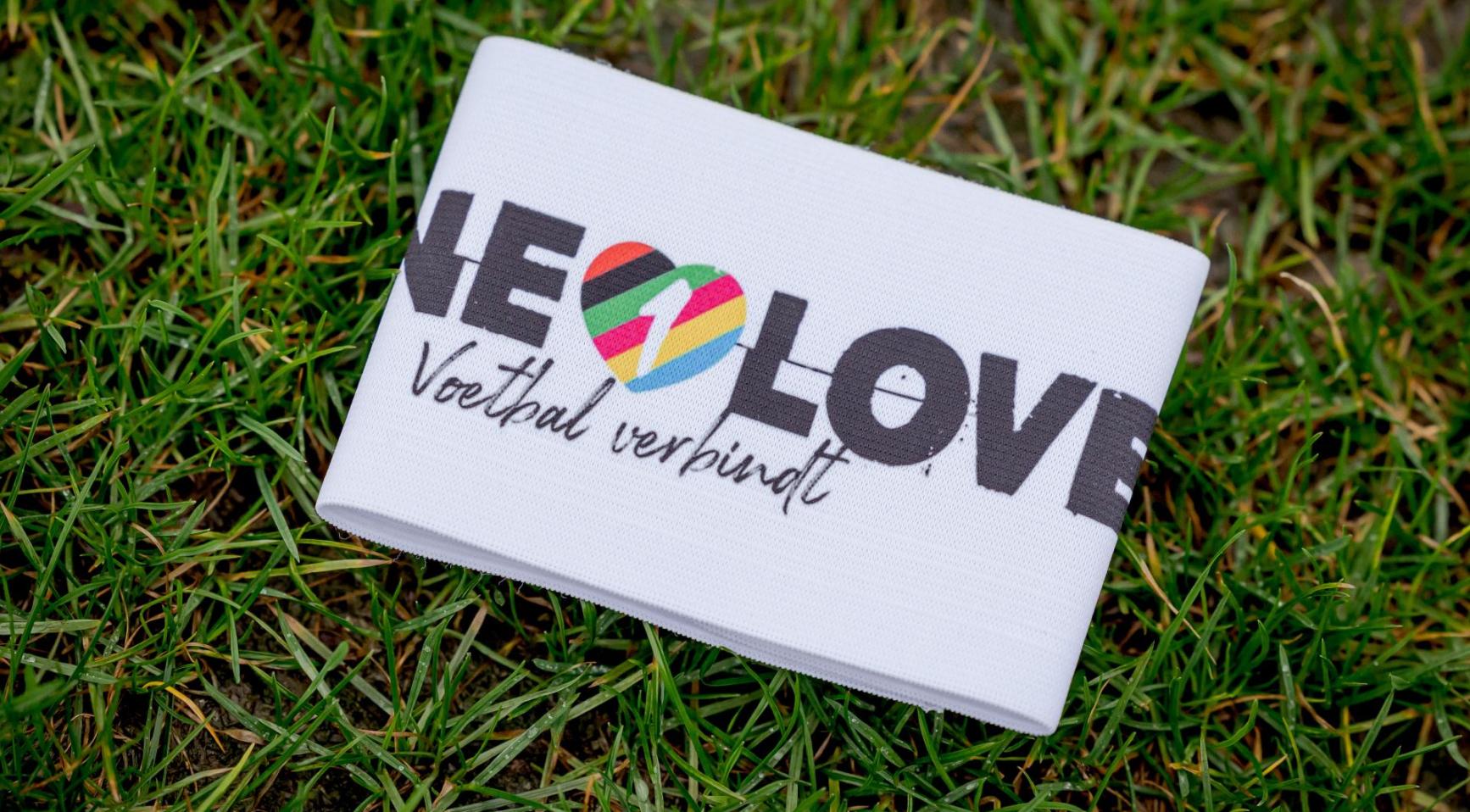
The OneLove campaign is a KNVB initiative for connection and against racism in football. Three weeks ago, the KNVB said Oranje would wear the armband regardless of the repercussions, but it backed off once FIFA threatened to sanctions, including giving captain Virgil van Dijk a yellow card if he wore the armband.
Dutch footballer Davy Klaassen said the men’s team could engage in some form of protest against FIFA’s decision. The team takes on Ecuador on Friday. "Of course [we] are thinking about that," said the midfielder. His comments came shortly after the German team held their hands over their mouths as if they were being silenced when they took the team photo before their match against Japan on Wednesday. The country’s government representative, Interior Minister Nancy Faeser, wore a OneLove armband during the match while sitting beside Gianni Infantino, the head of FIFA.
"I think Germany expressed themselves nicely, in a catchy and original way. But we haven't really talked about it yet," Klaassen said.
“We wanted to use our captain’s armband to take a stand for values that we hold in the Germany national team: diversity and mutual respect. Together with other nations, we wanted our voice to be heard,” Germany’s football association said on Twitter. “It wasn’t about making a political statement – human rights are non-negotiable. That should be taken for granted, but it still isn’t the case. That’s why this message is so important to us. Denying us the armband is the same as denying us a voice. We stand by our position.”
History of the OneLove campaign
The KNVB and the Dutch government created the OneLove campaign two years ago after racist taunts were shouted at Excelsior player Ahmad Mendes Moreira during a match against FC Den Bosch. The Dutch men’s national team then spoke out against racism, which eventually developed into their OneLove campaign.
When UEFA banned Oranje from wearing a special OneLove shirt in their match against Spain, the new captain’s armband was introduced as an alternative. The armband features colors meant to represent a diversity of cultural heritage, gender, and sexuality.
Georginio Wijnaldum, who captained the team during the last European Championships, wore the armband in Budapest during the team’s Round of 16 loss to the Czech Republic. The move was significant as Hungary had just passed a law making it illegal to in any way promote homosexuality or gender confirmation surgery to people under the age of 18.
Since then, more football associations signed on to the KNVB’s campaign, which is supported by Amnesty International, the pro football players’ association FIFPro, gay rights advocacy group COC, and Dutch football sponsor Nike. "We will therefore continue with the OneLove campaign, at home and abroad," the union said. "Earlier, the captains of the Netherlands and nine other countries played football with the OneLove band during matches in the Nations League. Those matches fall under UEFA and that did not cause any problems. In March next year, Dutch professional football will be dominated by the fight against racism and discrimination.”


