
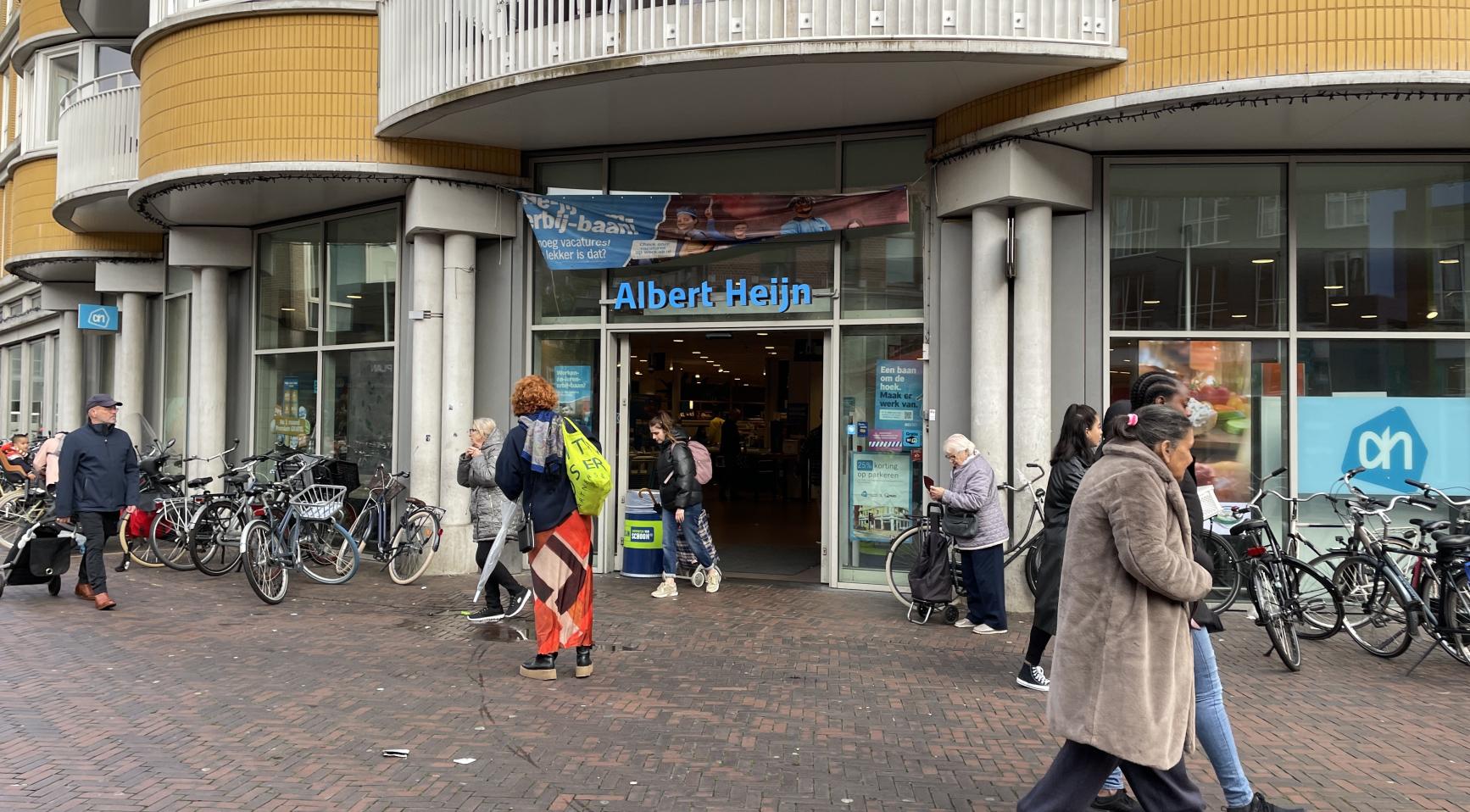
Albert Heijn to test the end of all tobacco sales at one location
Albert Heijn is experimenting with a supermarket branch that no longer sells cigarettes to see how it goes ahead with the Netherlands’ planned ban on supermarkets selling tobacco products from 2024. “This store has recently been renovated. Cigarette sales are an important part of the service counter area. We can now see what effect it has on this part of the store if we don’t sell tobacco,” an Albert Heijn spokesperson told NU.nl.
Instead of selling cigarettes, this store's service counter will be a self-service desk for buying flowers and tickets. “There is now a column in the store in question where customers can indicate if they want to buy lottery tickets, then an employee will come to you.” Parcels will be picked up at a parcel locker instead of at the service desk. “We look closely at what customers want or can do themselves and where they would like an employee to help,” the spokesperson said.
Kruidvat was the first large chain in the Netherlands to voluntarily stop selling cigarettes in 2018. LIDL followed suit later that year. The supermarket chain already had a limited range of tobacco products, and their sale was no longer profitable.
Successive Cabinets in the Netherlands have already put in place many measures to discourage smoking, from bans in bars and restaurants, to forbidding the use of cigarettes on train platforms. Supermarkets were ordered last year to stop publicly displaying all tobacco products, and from 2024, grocery stores will not be allowed to sell any smoking products.
Additionally, more limitations to cigarette sales could be in place by the end of the year. A court in Rotterdam determined that the Dutch food safety authority, NVWA, is required to take action against the sale of filter cigarettes within six weeks. It ruled that smokers inhale far higher amounts of tar, nicotine and carbon monoxide than levels measured by machines.
Filter cigarettes have small perforations meant to draw in clean air to mix with smoke before inhalation, but in practice smokers typically cover those holes with their fingers and lips, the court said. As a result, smokers inhale between a rate of anywhere from 2 to 20 times more than the legal limit.


