
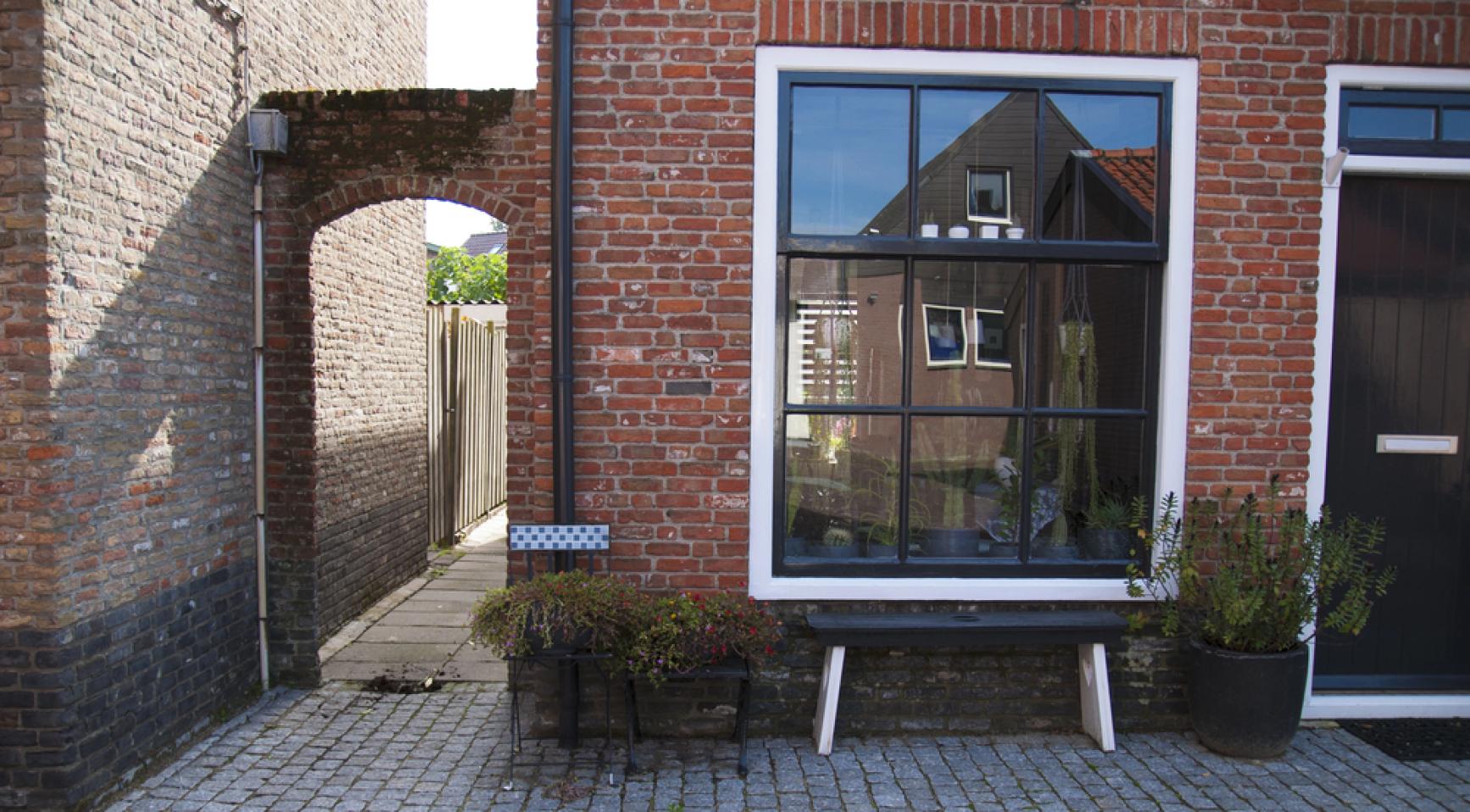
Major insurer urges green shift as paving dominates 50% of Dutch residential gardens
A study by Centraal Beheer shows that Dutch residential gardens are, on average, almost 50% paved, while nearly 20% are more than 75% covered in hard surfaces. Based on data from around 5 million homes with gardens, the insurer warns that even modest efforts to add greenery could have a noticeable impact during periods of extreme weather. More vegetation helps gardens absorb heavy rainfall more effectively and reduces heat build-up in urban areas.
The research estimates that Dutch gardens contain around 1,100 square kilometres of paved surface, an area roughly comparable to three-quarters of the province of Utrecht. The highest average level of paving is found in Overijssel, where gardens are about 62% paved. The lowest is in Utrecht, where the average is around 42%.
Gardens attached to terraced houses are generally more paved than those of detached homes. The study also shows strong local differences: in some neighbourhoods, gardens are dominated by hard surfaces, while others retain significantly more green space.
Centraal Beheer states that even modest changes in gardens with limited greenery, such as replacing hard paving with plants, can significantly improve water absorption and cooling. According to the insurer, this helps make homes more climate-resilient and better able to cope with extreme weather conditions.
“These findings matter because the Netherlands is experiencing more frequent extreme weather, including heavy rain, heat, and drought,” said Pieter Roorda, manager of Housing and Mobility at Centraal Beheer. “From an insurer’s perspective, we are seeing rising damage costs linked to climate change. Earlier studies also show that green soil absorbs rainwater more effectively than fully paved gardens, and that additional greenery helps create a more comfortable environment during hot weather.”
Reporting by ANP


