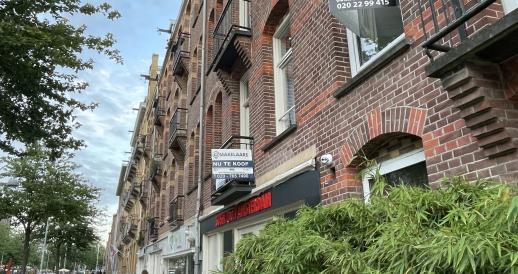
Utrecht decreased long-term home vacancy by 20% in two years
The municipality of Utrecht’s strict new approach to homes standing vacant for more than a year is bearing fruit. In the past two years, the city decreased long-term vacancy by 20 percent, with the number of empty homes dropping from nearly 2,000 in 2023 to 1,550 now, AD reports.
Responsible alderman Dennis de Vries (PvdA) is proud of the achievement. He called the decline in long-term vacancy “huge” and expects it will decrease further in the coming years. “The great thing is: these aren’t homes that are built and ready in ten years, but where people can live right away,” he told the newspaper.
The reduction is partly “administrative.” Some homes turned out to be occupied, but the residents were not registered. But for the most part, the reduction in vacancy involved empty homes that are now inhabited.
Homeowners in Utrecht are obliged to report to the municipality if their home has been vacant for six months or more, risking a fine of €4,500 as a private individual and €9,000 as a business if they fail to do so. Owners who duly report long-term vacancy are given an opportunity to explain the situation, and the municipality helps them look for a solution.
Utrecht housing inspectors told AD that the reasons for vacancy vary enormously, ranging from a complex divorce or inheritance to renovation for which no suitable contractor could be found. Depending on the situation, the municipality gives the homeowner a deadline for when the house needs to be inhabited again. If that doesn’t happen on time, the owner faces a fine of up to €10,000. According to the inspectors, that rarely happens.
Despite the massive housing shortage in the Netherlands, many homes in the country remain vacant for more than a year. Nationwide, the Netherlands had over 64,000 long-term vacant homes in 2023. “Every house we can free up for a home seeker is a good one,” Utrecht municipal housing inspector Jordy de Nas told the newspaper.