One in seven Gelderland Sinterklaas parties still use blackface makeup on Piet
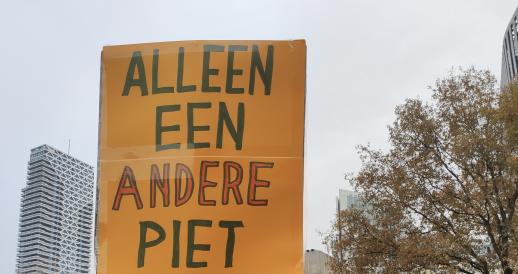
Kick Out Zwarte Piet (KOZP) ended its national campaign on December 5, declaring its mission largely accomplished, just as new data from Omroep Gelderland showed that one in seven Sinterklaas parades in Gelderland still used traditional Zwarte Piet blackface characters. KOZP founder Jerry Afriyie said the group is stepping aside because “Zwarte Piet has been denormalized.”
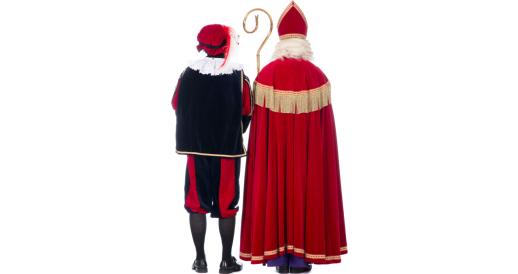
However, Omroep Gelderland reviewed images from 180 parades and confirmed that 26 still featured fully costumed Zwarte Pieten — performers in full blackface makeup, black curly wigs, and often red lips and gold earrings. Nineteen of those 26 parades took place in towns with fewer than 5,000 residents.
Thirty-seven parades used only Roetveegpieten — characters with soot smudges, no full makeup, no red lips, no gold earrings. Most other parades fell between the two versions, using performers who were not fully painted but still wore black curly wigs or red lips.
Historian Elisabeth Koning said even partial elements remain tied to blackface. “The curly wig may seem harmless compared to full blackface, but it still clearly refers to Black people,” she told Omroep Gelderland.
Local parades rely heavily on volunteers. Of the 26 parades using Zwarte Piet, only a few responded to questions from Omroep Gelderland, and only one gave substantive comments, saying it avoids joining the national “Piet discussion” and allows volunteers to decide their own costumes.
Three parades with Zwarte Pieten received municipal funding. One was in Oldebroek, where Mayor Tanja Haseloop-Amsing attended performances featuring Zwarte Pieten and was later filmed dancing the Macarena with them.
Oldebroek declined to answer detailed questions, saying it values the role of the media but urged caution when questions could “stretch or reignite” a debate that “does not cause tensions locally.”
The municipality said the mayor is aware of national developments but emphasized that local parades have long taken place “in a good atmosphere and with much appreciation,” and that decisions about the event belong to local associations, volunteers, and organizers.