
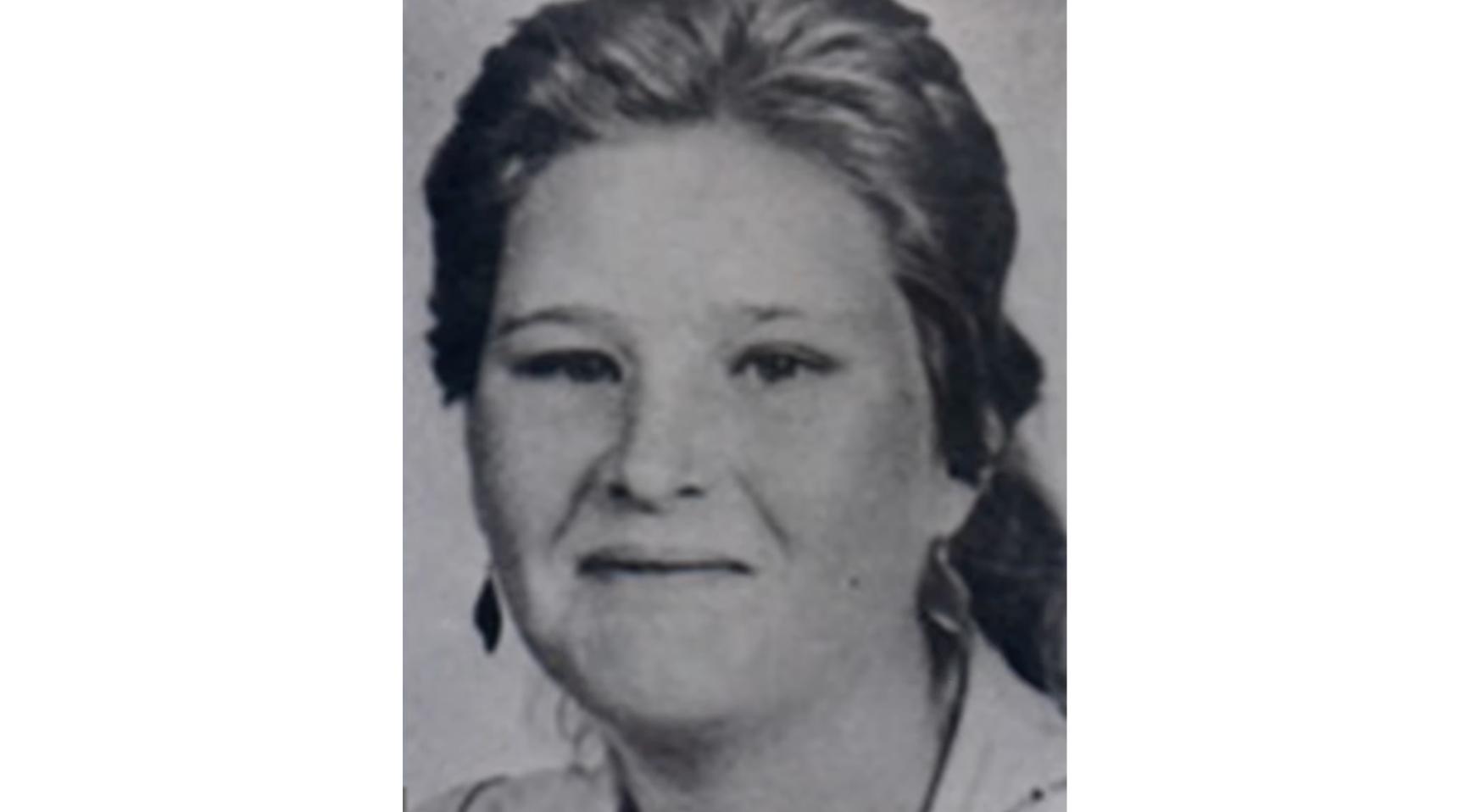
DNA finally connects Dutch woman missing since 1990 with skull found in Belgium in 1991
The police had a breakthrough in the case around 18-year-old Angelique Hendrix, who went missing from Stein in July 1990. Over 34 years later, a DNA match confirmed that her body was found in Belgium in 1991. The Public Prosecution Service (OM) offered a reward of 30,000 euros for information about what happened to her.
On 13 July 1990, Angelique got onto her bicycle and rode away from her parents' home on Heerstraat in Stein. That was the last time her family saw or heard from her.
On 20 May 1991, the Belgian authorities found a skull in Maasmechelen, just across the border from Stein. At that time, Belgium did not systematically do DNA investigation in forensic cases, but DNA from the skull was sampled in the course of 2012 and later added to the Belgian DNA database.
In March of this year, Belgium changed its legislation to allow for DNA profiles to be shared with Interpol’s I-Familia database - a database in which family members of missing people can voluntarily have their DNA included. When Belgium’s law changed, the skull’s DNA profile went to the I-Famila database and linked to profiles of Angelique’s family members. Additional investigation by the Dutch and Belgian police confirmed that the skull belonged to Angelique.
“For both the Netherlands and Belgium, this is the first match after the I-Familia database was put into use,” the Dutch police said. “The DNA match is a huge breakthrough in this long-term missing person case. It is extraordinary that this match has taken place after over 30 years. This has given Angelique’s relatives some clarity about her fate. It is now clear that Angelique died years ago.”
The police still want to know what happened to Angelique and the OM has offered a reward of 30,000 euros for information that leads to the solution of this case. “We hope that there are people who know more about this case and who are prepared to share this information after all these years. So that it becomes clear what happened to Angelique and the family can finally be given clarity.”
In June 1996, one of Angelique’s friends, Mirjam Verboot, also disappeared. Her body was found in a nature reserve behind the church in Stein in January 1998. “Whether these cases are related has never become clear in the investigation,” the police said.
“The reason why we launched I-Familia was to bring answers to families, using innovations and new technologies to be able to link the pieces of the puzzle together,” an Interpol spokesperson said. I-Familia is only used to solve missing persons and unidentified persons cases. It is not linked to Interpol’s criminal database. “We are happy that the family will, in the end, get some answers about this case.”


