
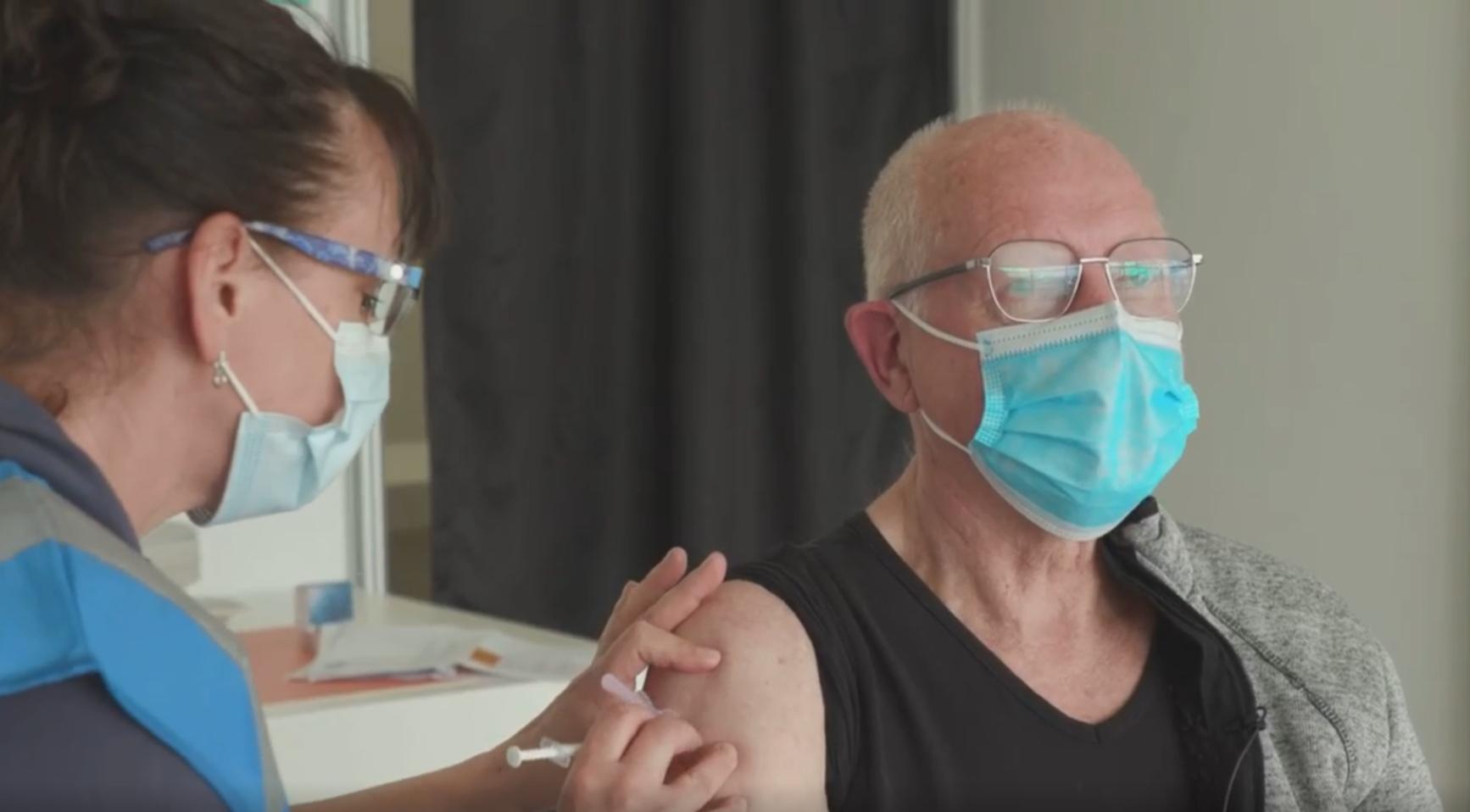
Survey: nearly 1 in 6 in the Netherlands regret Covid vaccination
Nearly one in six respondents in an RTL News panel survey say they regret receiving a Covid-19 vaccine. Reasons include not seeing the necessity of the shots in hindsight and feeling coerced into getting them. One participant said: “After my last Covid shot, I was very sick for a long time.”
However, nearly three-quarters (72 percent) of respondents say they were satisfied with their decision to get vaccinated at the time. Two-thirds (64 percent) say they would choose to get vaccinated again in the event of a new virus.
Experts consulted by RTL, including immunology professor Marjolein van Egmond (Amsterdam UMC) and Lareb director Agnes Kant, stressed that no vaccine is free of side effects. They noted this applies to all medicines.
According to them, the main purpose of Covid-19 vaccines was to prevent severe illness, hospitalizations, and death. Therefore, becoming infected or feeling unwell after vaccination does not mean the vaccine did not work.
The experts also pointed out a common misunderstanding: that vaccination would fully prevent infection. In reality, its primary role was reducing severe outcomes, not blocking all infections.
Reported side effects include known and documented reactions such as headache, fatigue, fever, muscle and joint pain, gastrointestinal complaints, injection-site reactions, swollen lymph nodes, and in some cases heavy menstrual bleeding.
More rare side effects include severe allergic reactions (about 1 in a million) and myocarditis or pericarditis (less than 1 in 10,000 cases). Myocarditis is an inflammation of the heart muscle and is also seen in some Covid-19 infections.
Some vaccine-specific rare events were also noted for AstraZeneca and Janssen vaccines, including immune thrombocytopenia, transverse myelitis, Guillain-Barré syndrome, and thrombosis.
According to Lareb, some people report long-term symptoms they associate with vaccination, and some panel members believe their complaints may be linked to long Covid or post-vaccination illness. However, while such reports exist, no causal relationship has been scientifically established. Researchers have also noted that this area remains under-studied and underfunded.
At the same time, available studies indicate that vaccination reduces the risk of developing long Covid after infection.
Some respondents also raised concerns about conditions such as hearing loss and shingles as possible side effects, which Lareb says require further research.
Concerns about so-called “turbo cancer” were also mentioned by some panel members. However, experts stated there is no scientific evidence that Covid-19 vaccines cause cancer or mass mortality. They emphasized that vaccines have been extensively studied and that claims of widespread fatal outcomes are not supported by evidence.


