
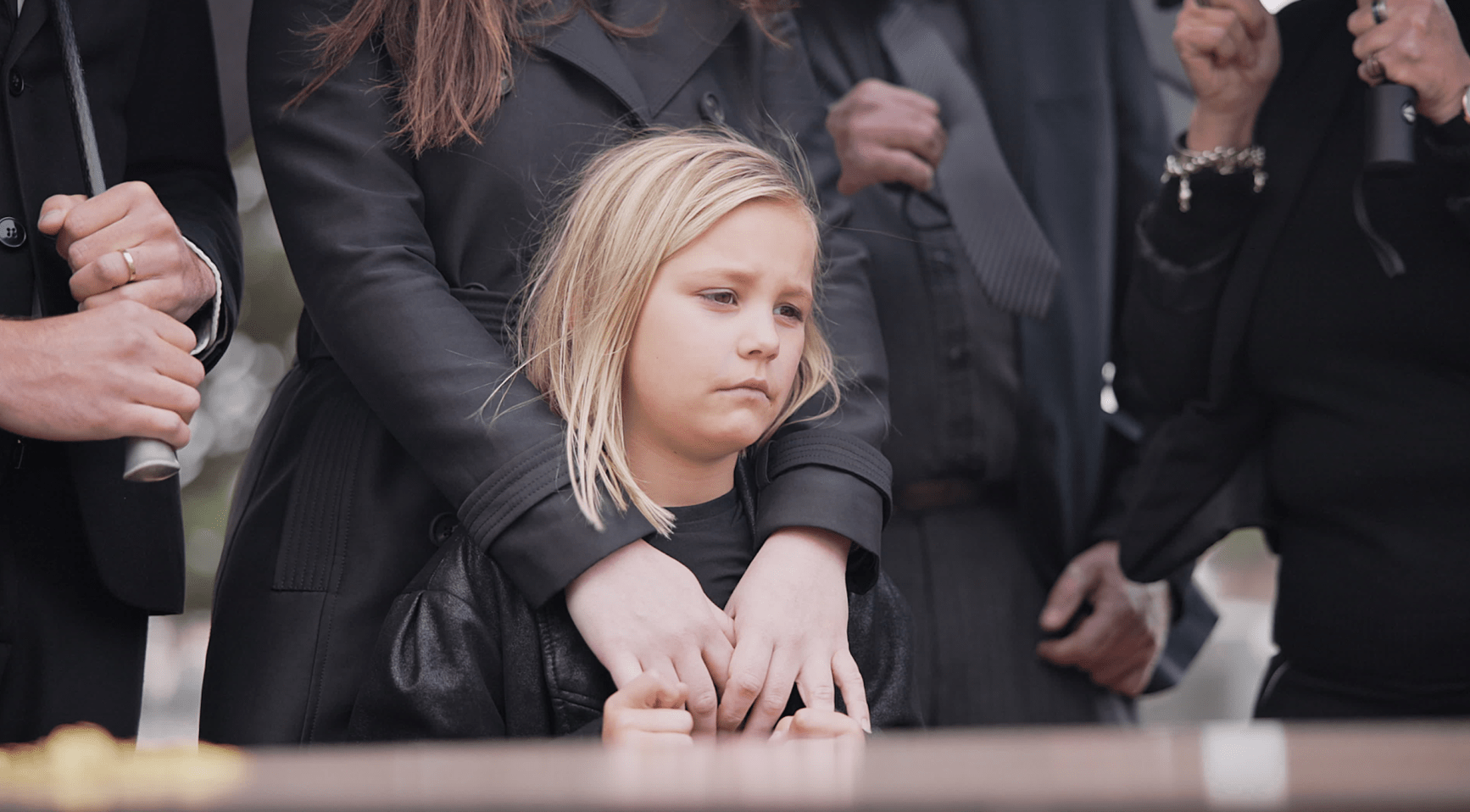
Schools need to pay more attention to grief and loss, experts say
Schools need to add grief and loss to their teaching plans and not only broach the topic after a death occurs, psychologists, educationalists, grief researchers, and other experts told NOS. Talking about loss can prepare a child and help them process grief when they lose a loved one.
Previous research showed that over 75 percent of children under the age of 16 have lost a loved one, such as a family member or close friend. Children also regularly come into contact with the subject through events in the news, such as the recent fatal accident during a school camp in Zeeland.
And yet, grief is not explicitly mentioned in primary education’s core objectives, the requirements for teaching and assessment materials. Grief is also not a mandatory component at teacher training colleges, meaning that not all prospective teachers learn how to help children cope with grief.
NOS Jeugdjournaal surveyed primary schools and found that most have a bereavement protocol in place for when someone dies, but don’t actively teach about grief. How primary schools deal with the topic also depends heavily on the management and teachers. The broadcaster spoke to several schools that actively avoid grief, finding that it is something children should discuss at home, or want to shield children from.
But avoiding the topic can result in grieving children feeling isolated or forced to hide their feelings. “It can be incredibly lonely for a child to struggle with grief,” Lonneke Lenferink, a professor of grief after traumatic loss, told NOS. “If it is discussed more often at school, a child also feels more heard and seen.”
Grief is also not a linear process, especially for children. “One moment they are playing happily, and the next they are intensely sad or angry,” Leferink said. That could make it difficult to recognize grief in a child, potentially resulting in their grown-ups wrongly assuming they have moved on from a loss.
There are many ways for schools to teach children about their emotions, including grief, educational psychologist Mariken Spuij told the broadcaster. She mentioned poems and songs. “Also make use of days from cultures or religions, such as the Day of the Dead in Mexico or All Souls’ Day in Christianity.” It doesn’t have to be a heavy conversation to have an impact.
Grief educator Richard Hattink helps schools deal with grief after the death of a pupil, teacher, or other involved person. “I see a lot of schools struggling with this,” he told NOS. “If they are already working on this theme before anything happens, it is easier for children to deal with it.”
State Secretary Judith Tielen of Education confirmed to NOS that grief lessons are not part of the core curriculum objectives, but added that schools are required to provide space for emotions. “That is included in a law regarding safety at school. Loss and grief are things that happen to all children at some point. A child must learn at school how to deal with that.”
She urged all schools to pay attention to grief and loss and make space to talk about emotions every day.

