
"Unfounded" fear of mistakes prevent people from signing up as citizen first responders
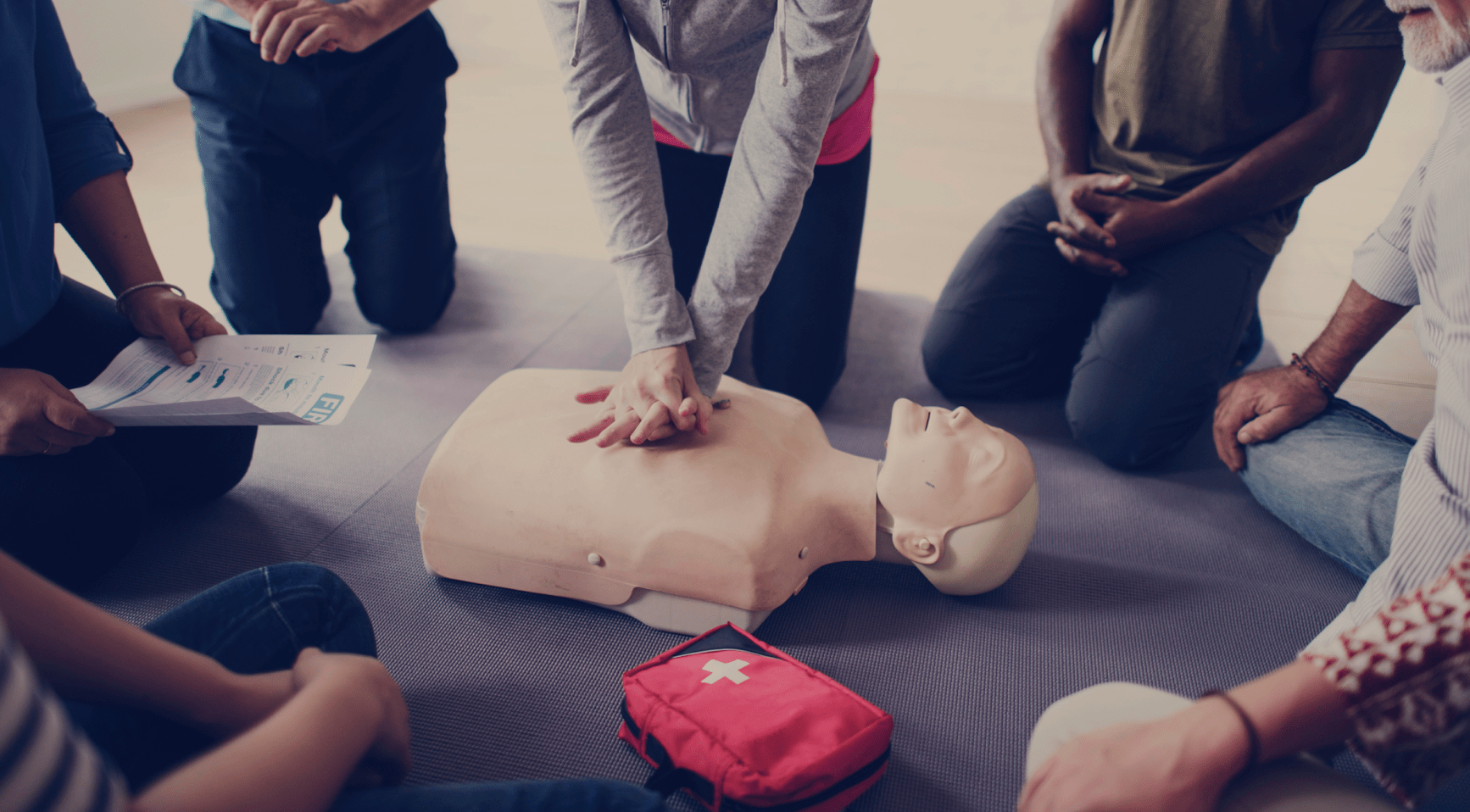
The fear of making a mistake during resuscitation appears to be the biggest barrier for people to sign up to be citizen first responders, according to research commissioned by the Dutch Heart Foundation. That fear is unfounded, the foundation said. Citizen first responders are people certified in CPR who, after receiving a call from a national network, can immediately go provide first aid to a nearby victim.
According to the Dutch Heart Foundation, one in four people in the Netherlands has a CPR certificate, but only 5 percent of them sign up as citizen first responders. Research shows that fear is a significant barrier. 62 percent believe a victim could die due to a mistake by a citizen first responder.
“That fear is very understandable, but unfounded,” said Leonie van der Leest, program manager of the Dutch Heart Foundation. “In the event of a cardiac arrest, quick action is crucial. By starting CPR, you give someone a chance to survive. If you do nothing, the chance of survival is practically zero.”
There is also a widespread belief that citizen first responders have to be available 24 hours a day. “That is absolutely not the case,” said Van der Leest. You decide whether to accept a call. The national network always calls multiple citizen first responders. “So no one needs to feel guilty if they can't attend a resuscitation call at that moment.”
In the Netherlands, approximately 45 people suffer cardiac arrest outside the hospital every day. Citizen responders arrive on the scene an average of 2.5 minutes faster than an ambulance. Of the over 12,000 resuscitation calls per year, eight out of ten resuscitations are started by citizen responders. The network works so that when a cardiac arrest report is received via the emergency number 112, the emergency call system automatically calls nearby responders through the organization Hartslagnu.
According to the Dutch Heart Foundation, there aren’t enough citizen first responders everywhere in the Netherlands. The study was conducted among 4,100 Dutch people aged 18 and older.


