
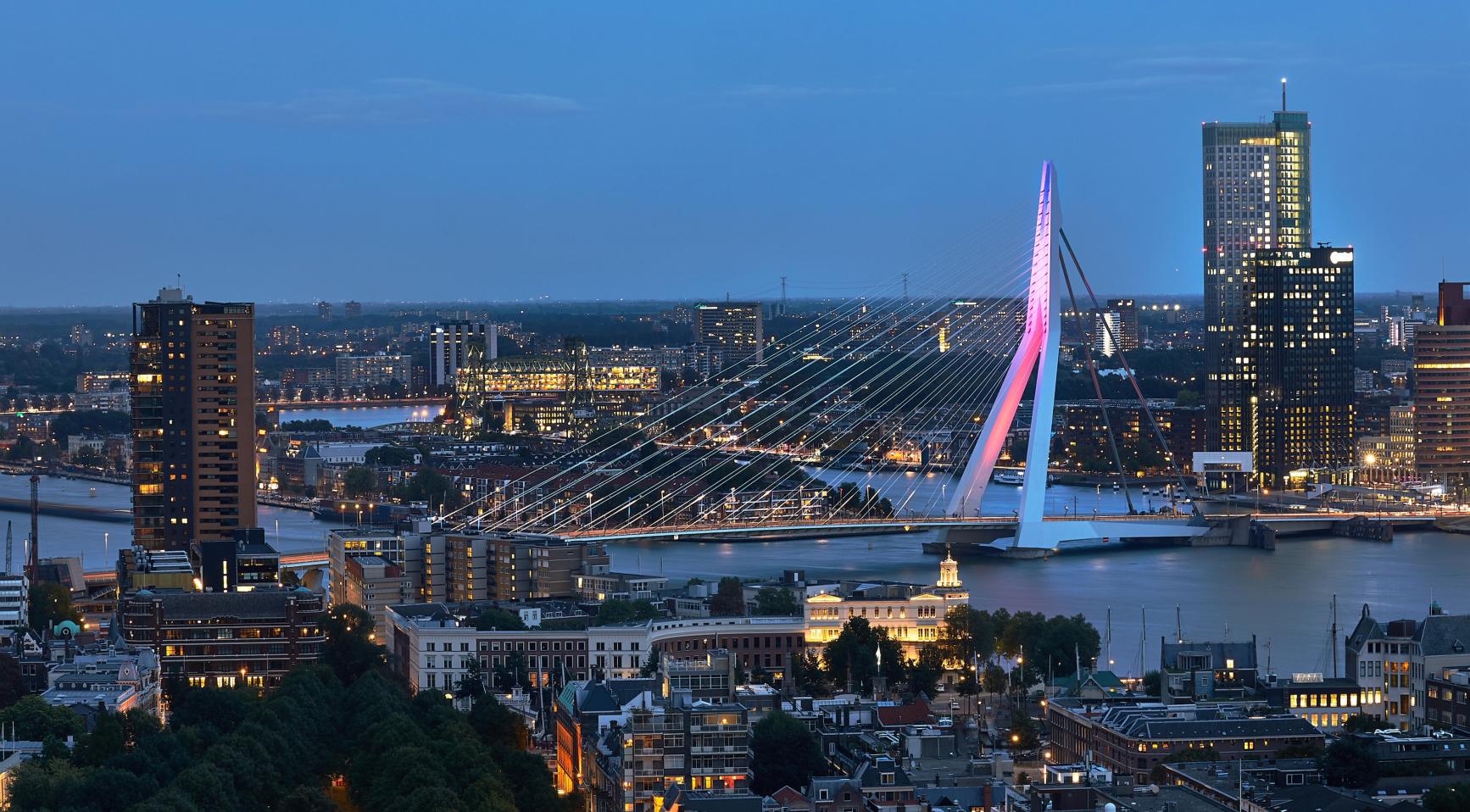
Reports of light pollution surge in Rotterdam region
Complaints about excessive artificial lighting are on the rise in the Rotterdam region, prompting environmental inspectors to conduct late-night investigations. The Omgevingsdienst DCMR, which handles environmental complaints, recorded a sharp increase in reports of light pollution, growing from 22 in 2020 to 119 in 2024.
Most complaints involve bright advertising lights and sports field floodlights. Environmental inspectors rely on standards from the Nederlandse Stichting voor Verlichtingskunde (NSVV) to determine whether light sources exceed acceptable levels. According to these guidelines, excessive artificial lighting can disrupt sleep and have harmful effects on wildlife, including disorienting birds and affecting their migration patterns.
Jacco Knops and Jaco van der Zwaal, inspectors specializing in light pollution at DCMR, spend their nights measuring light intensity at various locations. During a recent visit to Capelle aan den IJssel, they investigated complaints about a football field’s floodlights.
“The lights were on just a moment ago,” Knops said, scanning the area from a resident’s balcony. Security lights at sports facilities often turn off automatically, complicating investigations.
Van der Zwaal explained that LED technology has contributed to the problem. “Any business can now install a bright LED billboard with moving images,” he said. In some cases, business owners voluntarily dim lights when approached by inspectors. “One restaurant owner lowered the brightness on the spot using an app,” Knops recalled.
However, compliance is not always immediate. A car dealership on Goeree-Overflakkee refused to adjust its showroom lighting despite complaints. DCMR ultimately imposed fines of 2,500 euros per violation, and the case is under appeal.
During their late-night patrols, Knops and Van der Zwaal frequently encounter intensely illuminated areas, particularly around commercial districts such as the Alexandrium shopping center. “You don’t notice how much light pollution there is until you start looking for it,” Van der Zwaal said. “Sometimes it feels like Las Vegas.”
In Capelle aan den IJssel, the inspectors measured light pollution inside a resident’s apartment. The football field’s floodlights, located hundreds of meters away, were bright enough to cast shadows on the bedroom walls.
Using a specialized device called a lux meter, the inspectors recorded the intensity of the light. After an hour of testing in different rooms, they determined that the brightness exceeded permissible levels. The football club was asked to adjust the lights, either by reducing intensity or repositioning the fixtures. If the club fails to comply, enforcement measures will follow.


