
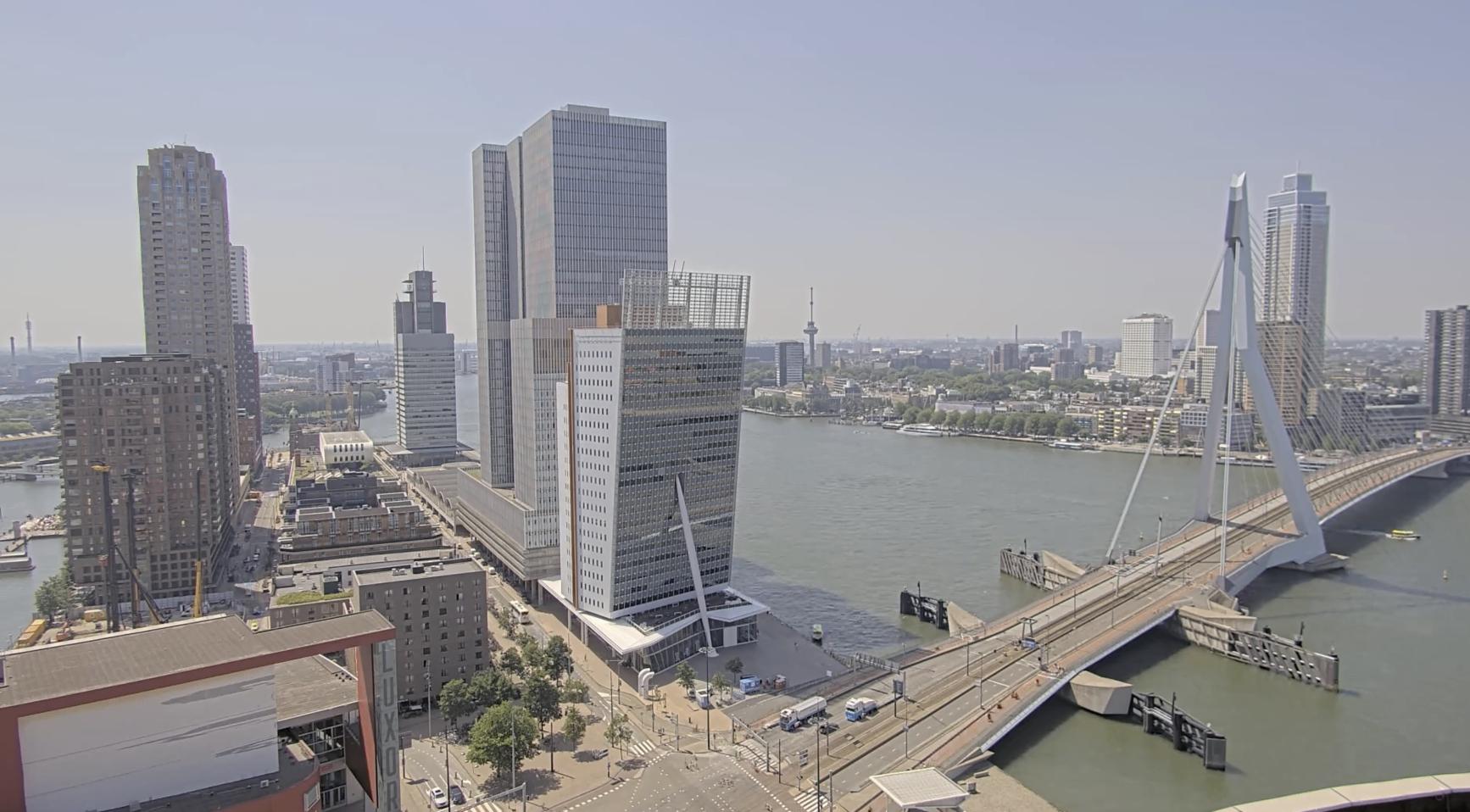
Dutch heatwave now official; Historic Code Red hot weather alert debated
The official declaration of a heatwave took place on Thursday in the Netherlands, with daytime temperatures below 30 unlikely until next week. With several consecutive broiling days in a row, the hottest days are yet to come, prompting meteorologists to consider issuing a rare Code Red weather alert for the heat.
The Dutch weather service, KNMI, is set to consult its Weather Impact Team (WIT) this afternoon to assess whether conditions warrant the activation of a weather emergency warning, NOS reported. A decision to issue a code red alert would mark a historic first for the Netherlands, as the country's highest weather warning has never before been declared due to heat.
When deciding whether to issue a code red warning, the Weather Impact Team looks beyond temperature records alone. The key consideration is the level of risk posed to public safety and the extent to which extreme weather could affect society. A code red alert is reserved for conditions serious enough to cause major disruption to everyday life and essential services.
The decision is not taken by KNMI in isolation. Representatives from the National Crisis Centre, police, fire service, ProRail, and Rijkswaterstaat are also involved in the discussions. They jointly evaluate whether critical infrastructure, including rail networks and roads vulnerable to melting asphalt, can continue to function safely under extreme heat conditions.
While a code orange warning is primarily aimed at protecting vulnerable groups, a code red alert concerns risks affecting the entire population, weather specialist Marjon de Hond said to Goedemorgen Nederland. "A code red warning hasn’t been issued yet, of course. But that level of alert is really about the wider impact of extreme heat. If, for instance, trains can no longer run because rails expand, or if infrastructure like bridges and viaducts starts to fail, such as bridges no longer being able to open, then mobility becomes seriously affected.”
The prolonged series of tropical nights, with temperatures locally remaining above 23 to 25 degrees, prevents the human body from properly recovering, increasing health risks across society.
Authorities are also looking at developments in neighbouring countries like France, where emergency rooms saw a threefold increase in heat-related admissions over the past weekend. The worry is that, if temperatures in the Netherlands climb towards 40 degrees, the healthcare system could come under severe pressure and risk becoming overloaded.
As the KNMI continues its deliberations, Belgium’s Royal Meteorological Institute (KMI) has already issued an official code red warning for Friday in provinces adjacent to the Dutch province of Limburg. The move is adding pressure on Dutch authorities as they weigh their own response.
Nearly the whole of the Netherlands is now under a code orange heat warning, which the KNMI has extended until Saturday. The peak of the heatwave is expected on Friday and Saturday, when inland temperatures could climb to between 36 and 39 degrees Celsius, with isolated areas potentially hitting 40 degrees Celsius.
The heatwave has prompted widespread measures across the Netherlands. Rijkswaterstaat has put its heat protocol into effect, public transport is operating on adjusted timetables, and several major events and festivals, including capacity limits at Defqon.1, have already been scaled back or called off.
An official Dutch heatwave is declared in De Bilt once there are at least five consecutive days with temperatures of 25°C or higher, including a minimum of three tropical days above 30°C.
The current spell began on Thursday, 18 June, when 29.6°C was recorded. Friday followed as the first tropical day at 33.4°C, while the period from Saturday through Tuesday stayed consistently above 25°C. On Wednesday, temperatures reached 34.0°C, marking the second tropical day and setting a record as the warmest 24 June on record.
Today, the mercury again exceeded 30°C, confirming the third tropical day and officially completing the criteria for a national heatwave.
The ongoing heatwave has now reached eight consecutive days, equalling the record set in June 1936 and 1976. According to Weeronline, the spell is expected to continue for several more days, with a total duration of at least 11 days likely. If confirmed, it would become the longest June heatwave recorded in the Netherlands since weather observations began in 1901.
Southern parts of the Netherlands, including locations such as Ell and Maastricht, experienced a regional heatwave as early as last Saturday. It marks the second regional heatwave of the year, following an earlier warm spell in May.


