
Scans by Dutch Pokémon Go players may have helped U.S. develop military drone technology
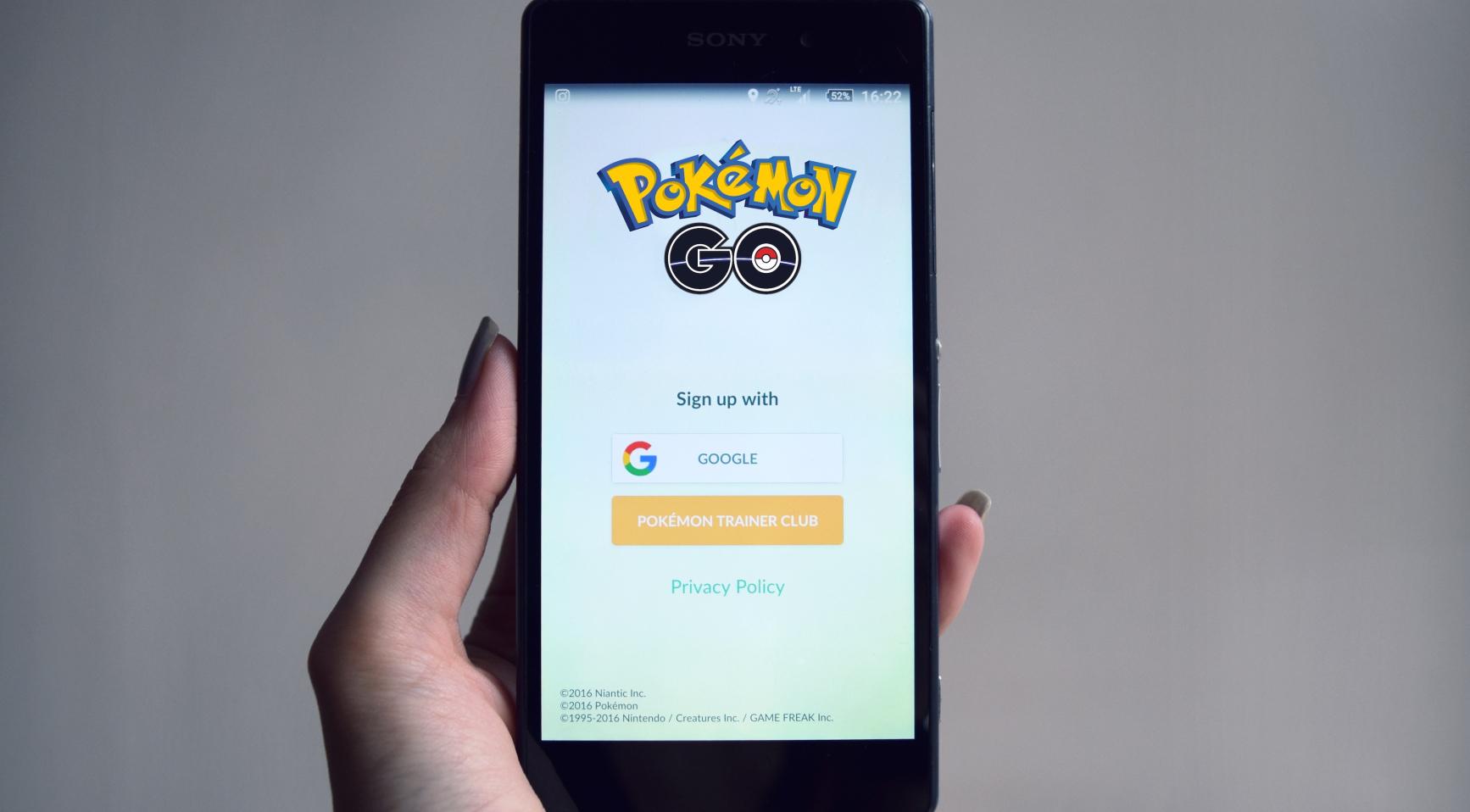
Millions of Pokémon Go players who spent years scanning their surroundings for in-game rewards allegedly unknowingly contributed to a highly detailed navigation system developed by Niantic Spatial, a U.S.-based company spun out of the original Pokémon Go developer, that is now set to be used in military drones and robots, Trouw reports.
Nearly 30 billion scans collected from hundreds of millions of players have become the property of Niantic Spatial and were reportedly used to train a 3D model enabling precise navigation when GPS signals are unavailable. Late last year, Niantic Spatial and U.S. software company Vantor announced that Vantor would deploy the system in drones and other military robots. Vantor specializes in spatial intelligence software for defense applications.
The company denies that it would use Pokémon Go data directly. However, Trouw reports that it also declines to confirm whether it trained the model it plans to deploy using those scans.
“Without the huge number of scans from all those gamers, the development of this system would never have progressed so quickly,” Jeroen van den Hoven, a professor of ethics and technology at TU Delft, told Trouw. “The players have indirectly, perhaps minimally but still effectively, contributed to military applications.” Van den Hoven said it is difficult to identify exactly which parts of the 3D model were trained with Pokémon Go scans because AI models are enriched with many datasets and no longer contain traceable original data.
In response to earlier questions from Trouw about a separate partnership with delivery company Coco Robotics, a spokesperson said Pokémon Go scans were used to train an “early version” of the model. The company said players had voluntarily agreed to the terms and that it operates ethically.
“We are committed to working with all our customers and partners to ensure that our products are used responsibly, with respect for human rights and ethical principles,” the company said. Asked about the defense partnership, the company said: “We have no new information to share at this time.”
Floris De Hingh, a 34-year-old Dutch Pokémon Go enthusiast who started playing when the game launched in 2016, said he never imagined his gameplay could have military implications. “This is tragic,” De Hingh told Trouw. “First you think you are playing a game, and then suddenly your data can be used in a war.” He said Vantor’s work with the U.S. military worries him. “I am very opposed to the war Trump is now waging against Iran.”
Professor van den Hoven said players had been misled. “The people who thought they were playing a game have clearly been fooled,” he told Trouw. “It is gradually becoming clear that companies do not necessarily use our data to genuinely improve our lives, for example, by improving education. The point is to make money. If they can sell a dataset or AI model for a good price, they will do so.”
Privacy concerns extend to indoor scans. A senior Niantic Spatial product executive suggested in an interview published on Vantor’s website that the company would like to collect more indoor imagery. App user de Hingh told Trouw he recorded footage inside his apartment.
In March, Niantic Spatial announced a partnership with Coco Robotics, whose delivery robots already operate in U.S. cities and in Helsinki.
Other companies are also collecting geographic information through cameras. Meta’s smart glasses continuously scan users’ surroundings, Apple’s AR headset creates 3D maps of interiors, and Waymo’s self-driving vehicles reportedly build detailed models of urban roads.
Professor van den Hoven said the European Commission should establish clear rules to protect users’ data and that Europe should avoid dependence on foreign navigation systems. “If Elon Musk, for example, turns off his Starlink satellites, everyone loses their way,” he told the newspaper. “It is important that Europe develops a functional equivalent of this VPS system.”
British game designer Adrian Hon now advises Pokémon Go players to stop creating scans. “Maybe you should even play other games, preferably smaller games, because they are less likely to sell data,” he said.


