
Dutch State buys medieval ring found with metal detector for €83,150
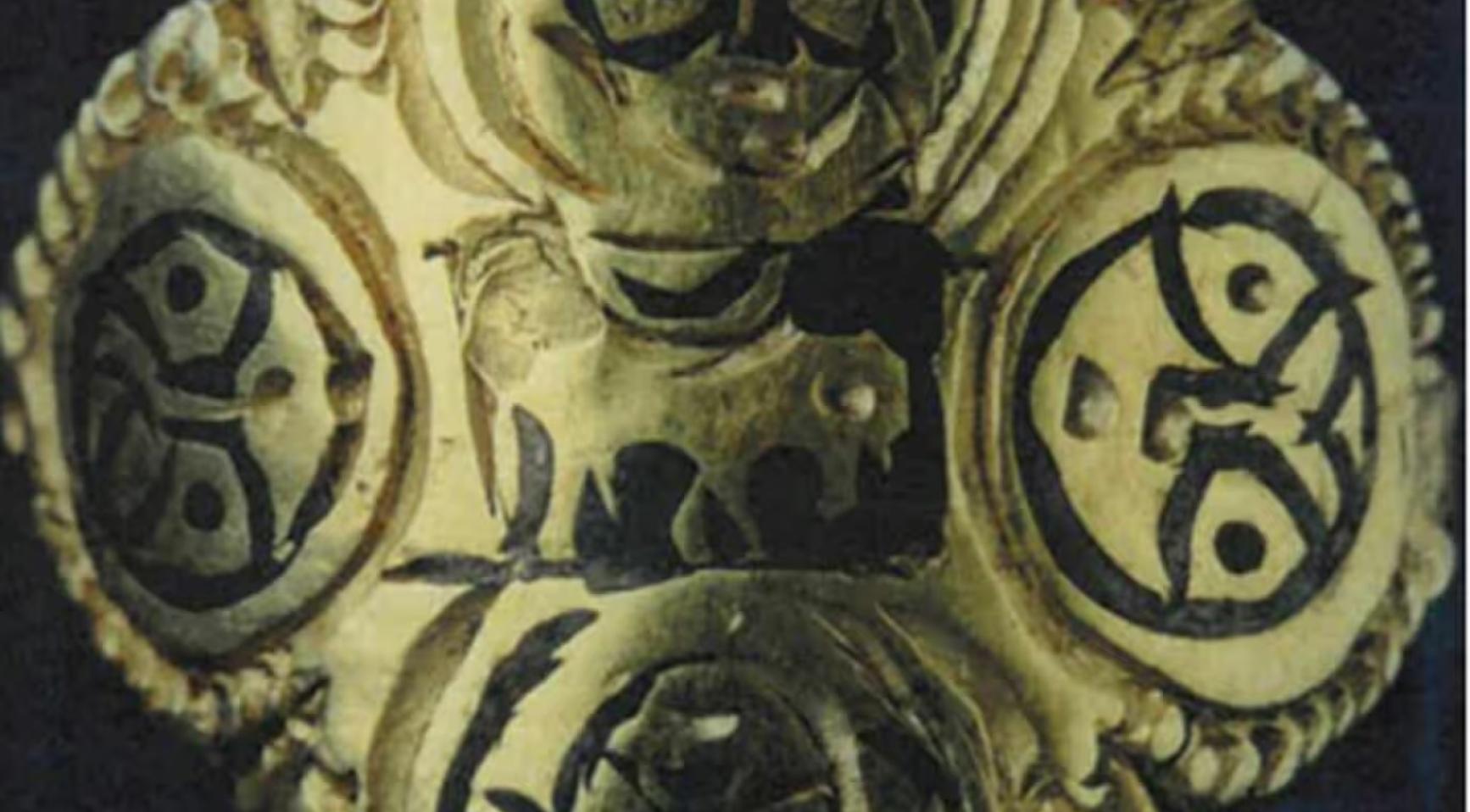
The Dutch government has acquired a medieval gold ring from the 9th or 10th century for 83,150 euros. The piece will be added to the national collection and made available on loan to a museum, although it has not yet been decided where it will be displayed.
The ring was found on May 8, 1997, using a metal detector near the village of Sumar in Friesland. The discovery was made by Pieter de Jong from Sumar, who was 29 at the time. Shortly after finding the ring, he brought it to the popular TV programme Tussen Kunst en Kitsch.
The ring features an image of the Lamb of God, surrounded by the writers of the four New Testament Gospels, Matthew, Mark, Luke, and John. In 2022, the piece was officially classified as protected cultural heritage.
The owner intended to sell the ring outside the Netherlands. The finder intended to sell the ring so that the proceeds could be split equally between his two daughters. In an earlier interview with Trouw, he said: “When they grow up, I want them both to get an equal share. And you can’t split a ring. That’s basically the reasoning behind it.”
Former Culture Minister Eppo Bruins intervened to prevent this, putting arrangements in place for the state to acquire the object if no domestic sale was completed. In March last year, the ministry said that if the ring remained unsold within six weeks, it would be treated as an offer for the Dutch state to purchase it.
Minister Rianne Letschert said the ring should be part of the national collection. “That way, we all share a kind of ownership, and as many people as possible can keep admiring it.”
The 83,150-euro purchase was funded through the Museum Acquisition Fund. The state was able to prevent the ring’s export under the Cultural Heritage Act, which requires ministerial permission for the sale abroad of cultural objects deemed “irreplaceable and indispensable.”
Reporting by ANP and NL Times


