
Europe’s slow shift to electric cars strains Dutch auto suppliers
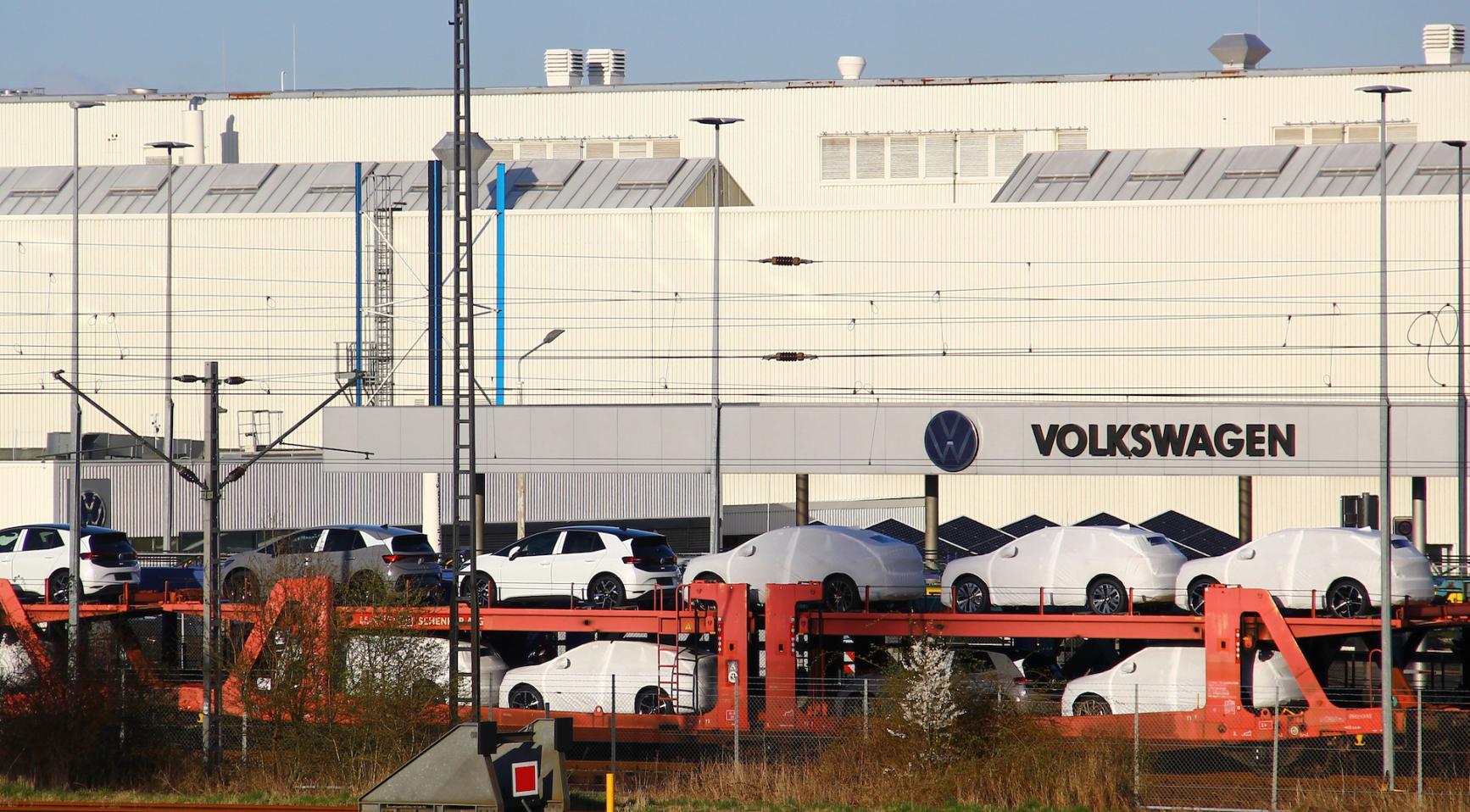
Europe’s push to phase out gasoline and diesel cars in favor of electric vehicles is straining Dutch auto suppliers, as major European automakers such as Volkswagen and Stellantis cut production and delay investments amid weak demand, Het Financieele Dagblad reported.
Dutch companies such as Bosal, Tata Steel, and Aalberts are already seeing falling revenues as the broader European car industry struggles to adapt. Factories that once supplied exhaust systems and other combustion parts are facing shrinking orders, while electric vehicle production has yet to expand enough to offset those losses.
Electric cars sell well in the leasing market—particularly in the Netherlands and Norway—but private buyers remain hesitant. High prices and limited charging infrastructure allegedly keep most consumers tied to traditional engines, making it difficult for suppliers to decide when to fully switch production to electric parts.
German Chancellor Friedrich Merz and French President Emmanuel Macron have both called for delaying the EU’s 2035 ban on combustion engines. Such a postponement could ease pressure on European carmakers and their Dutch suppliers.
Without a delay, automakers will be forced to focus solely on electric models, which will reportedly deepen Europe’s reliance on Chinese batteries and components. That dependence has raised concerns about supply chain risks and growing competition from cheaper Chinese electric cars entering the European market. European brands also face import tariffs from the United States.
In response, European manufacturers are introducing more affordable electric models. Volkswagen recently unveiled several vehicles priced from about 25,000 euros at the IAA auto show in Munich.
In the Netherlands, consumers continue to prefer established European brands with reliable service networks and readily available spare parts, giving those automakers a modest advantage.


