Netherlands News in English

Main navigation

  • Top stories
  • Health
  • Crime
  • Politics
  • Business
  • Tech
  • Culture
  • Sports
  • Weird
  • 1-1-2
Image
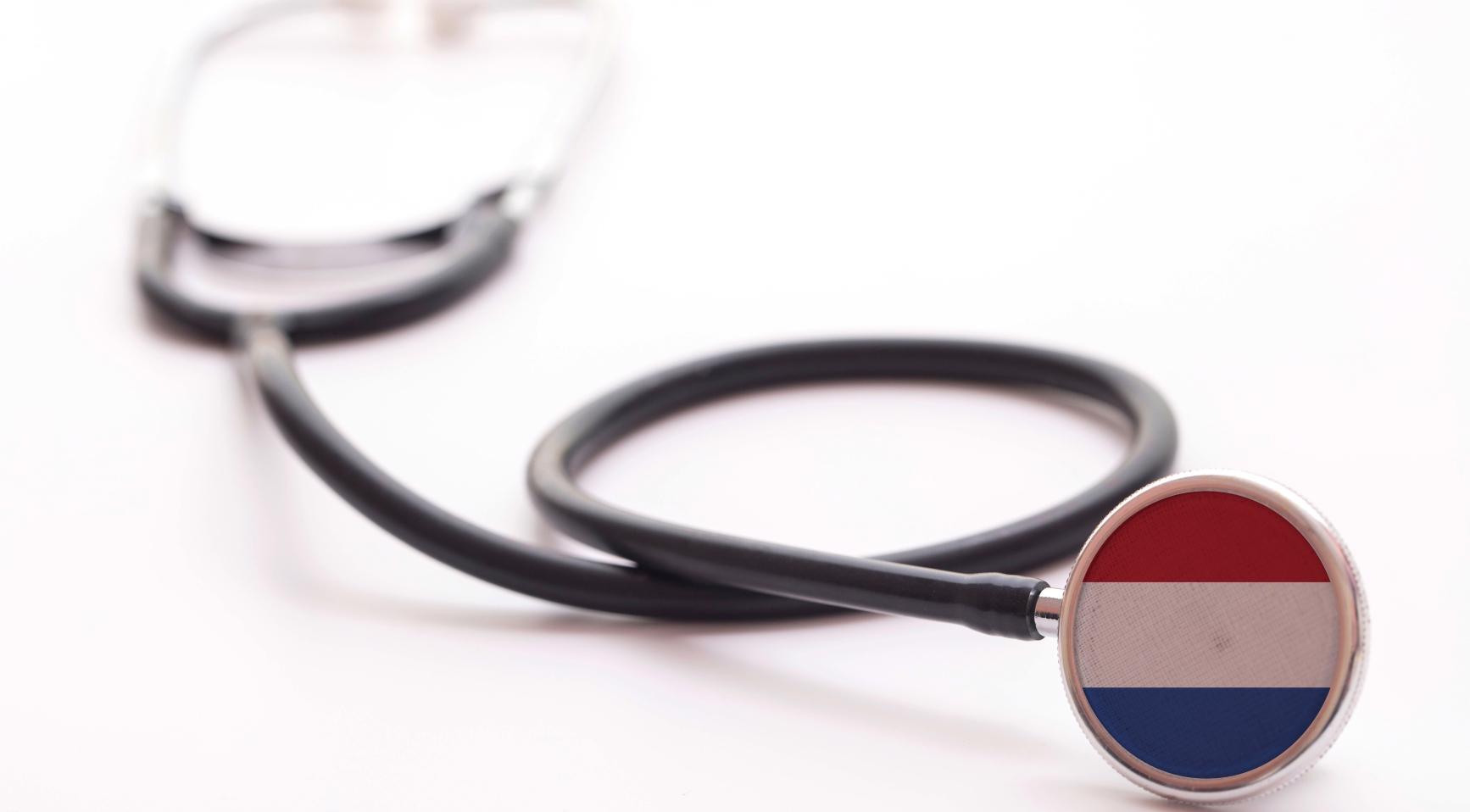
Stock image of a "Dutch" stethoscope
Stock image of a "Dutch" stethoscope - Credit: InkDropCreative / DepositPhotos - License: DepositPhotos
Health
thrombosis
Amsterdam UMC
The Lancet
Stroke
medication
treatment
Monday, 24 February 2025 - 07:00

Share this article:

Different medicine cocktail can mean fewer blood tests for rare stroke patients

Patients who have suffered a Cerebral venous thrombosis do not have to have their blood checked as often if they use a different medication. This came forth from a global study led by Amsterdam UMC and published in The Lancet Neurology.

Annually, around 300 people are affected by Cerebral venous thrombosis in the Netherlands. This occurs when there is a blockage in the blood vessels of the brain. It is a rare and severe form of stroke that often occurs in women under 50 years of age.

Patients are given blood thinners. This usually concerns vitamin K antagonists, which require regular checks for the correct dosage. However, based on the research of over 600 patients in 23 countries, the researchers stated that direct oral anticoagulants (DOACs) are just as safe and effective. This would mean that the many visits to the thrombosis service would no longer be necessary.

“Because patients do not have to visit the thrombosis service as often, we expect it to lead to adaptations to international treatment standards,” said neurologist and research leader Jonathan Coutinho. “We also think that DOACs will become the standard medication for these patients in the future.”

Reporting by ANP

More like this

Image
Scientists at work
Amsterdam UMC researchers develop test that can detect bacterial meningitis rapidly
Image
The special brain-wave cap developed by UMC Amsterdam.
Amsterdam scientists develop brainwave smart cap for rapid stroke diagnosis
Image
Reception zone at a hospital
Waiting times of a year or longer at some Dutch hospitals as doctor shortage grows
Image
Ambulance
Hospitals test home-based treatment to avoid painful transport for elderly patients
Make NL Times your top Google source

Follow us:

Latest stories

  • Sixty Dutch groups urge mandatory drinking water-saving rules in new homes
  • University staff to receive 4.1% pay rise under new collective labour agreement
  • Germany scraps €18B frigate deal with Dutch shipbuilder Damen
  • Man jailed for 21 years after strangling ex-girlfriend with dog chain in femicide case
  • Heatwave sparks air conditioning rush as demand quadruples across Netherlands

Top stories

  • Six arrested in electoral fraud investigation; Allegations of forgery, voter coercion
  • Hottest night on Dutch records expected tomorrow; Code Orange takes effect at noon
  • 270 children abducted to or from the Netherlands last year; Increase of over 25%
  • Public transport strike from 4 a.m. to 8 a.m.: No trains, buses, trams, metros running
  • Life sentence sought for Dutch-Rwandan man over massacre of 3,000 Tutsi in 1994 genocide

© 2012-2026, NL Times, All rights reserved.

Footer menu

  • Change Privacy Settings
  • Privacy Policy
  • Contact
  • Partner Content