
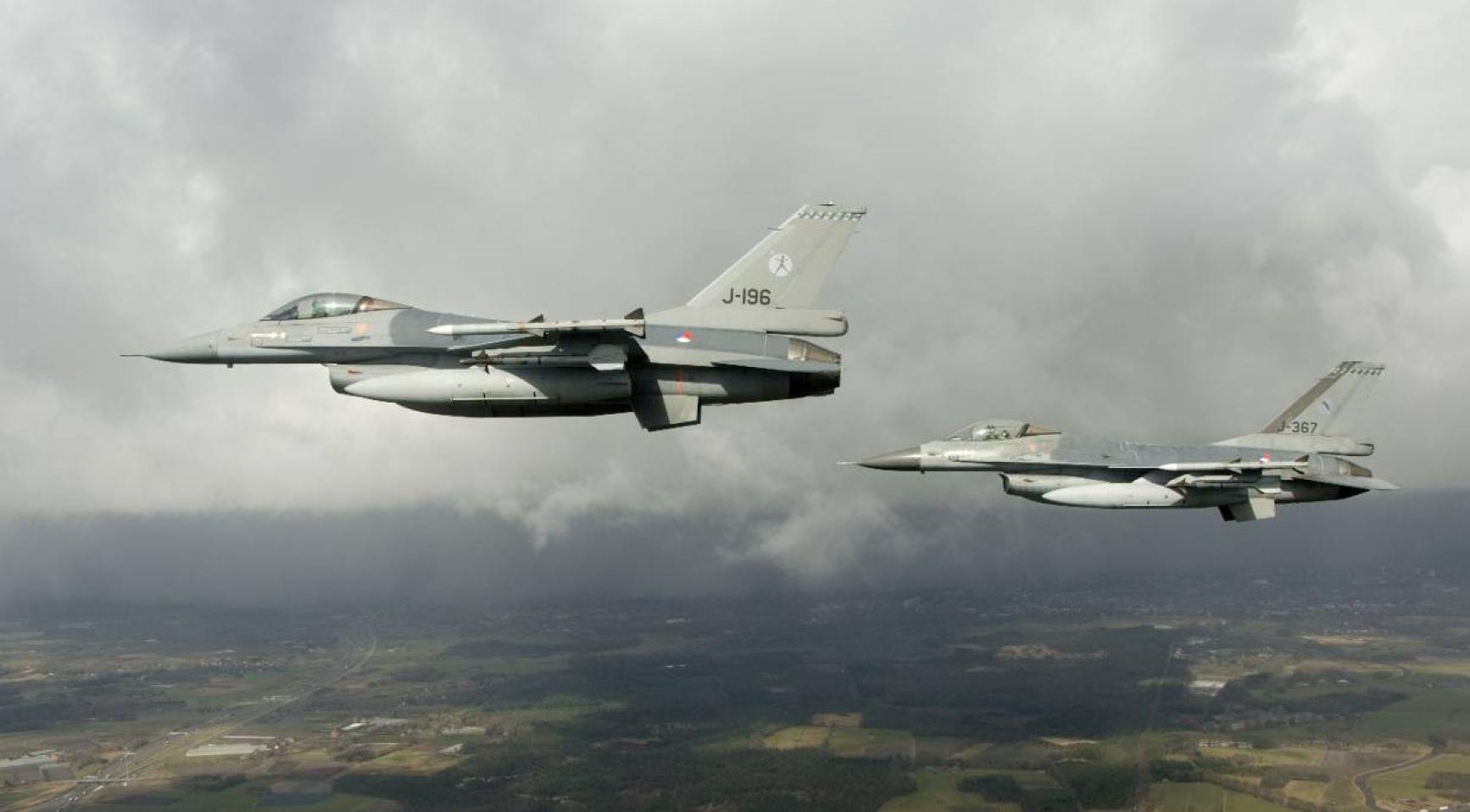
Dutch airstrike in Hawija took deliberate risks, resulting in civilian deaths
The 2015 Dutch airstrike on the Iraqi city of Hawija, which killed at least 70 civilians, involved calculated risks and relied heavily on limited American intelligence, according to findings by the Sorgdrager Commission. The investigation, which lasted over four years, concluded that the Dutch government failed to provide accurate and complete information to Parliament both before and after the attack.
The airstrike targeted an Islamic State (IS) site in Hawija, where car bombs were being manufactured. Unknown to Dutch forces, the location also housed a larger-than-expected stockpile of explosives. A secondary explosion devastated a nearby residential area, killing at least 70 civilians.
The commission found that the Dutch military team operating from a command center in Qatar was severely understaffed. The team lacked critical intelligence experts and legal advisors, which prevented an independent assessment of the American intelligence provided. This absence of key personnel directly contributed to the risks taken during the operation, the report stated.
"The Dutch forces were not in a position to independently evaluate the American intelligence. This gap in expertise meant the risks of the operation were not adequately weighed," the commission noted.
The American intelligence used to justify the strike was already limited, according to the report. Despite awareness of the nearby residential areas and the potential for civilian harm, the American commander overseeing the operation decided to proceed. This decision was based on a calculation that prioritized the threat posed by IS car bombs over the potential civilian impact.
The Sorgdrager Commission concluded that the Dutch government failed to inform Parliament about the civilian consequences of the attack. It also noted broader failures in transparency regarding the mission as a whole.
The criticism primarily targeted Jeanine Hennis-Plasschaert, who served as Minister of Defense from 2012 to 2017. The report stated, "For four years, the government deferred accountability for the civilian casualties resulting from the Hawija airstrike."
Parliament was reportedly misled about the resources and decision-making capabilities available to the Dutch team during the operation. The lack of a robust intelligence and legal framework within the mission was also not disclosed.
Reporting by ANP


