
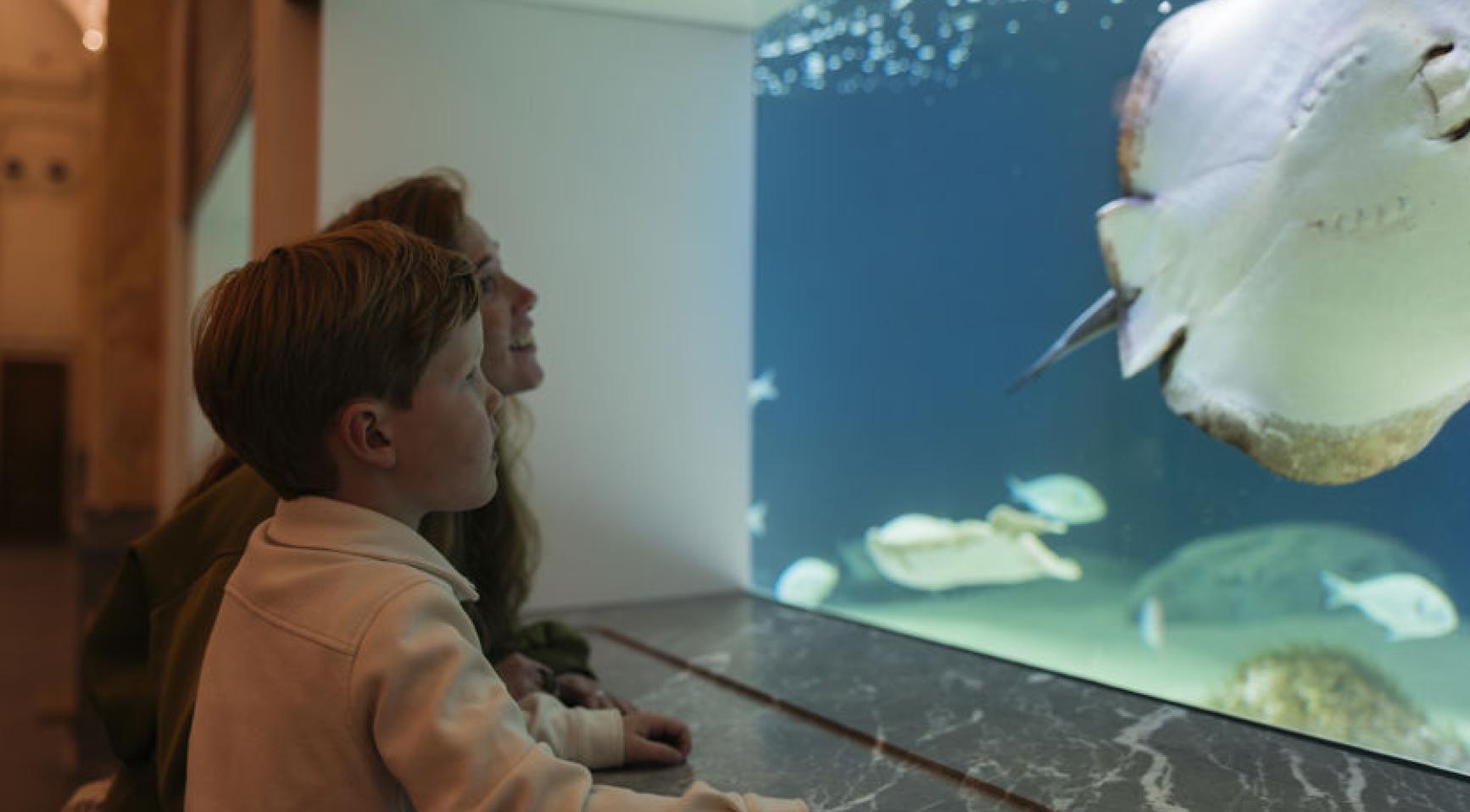
Amsterdam Artis Zoo aquarium reopens Saturday after €50 million renovation
The aquarium at Artis Zoo reopened Saturday after a five-year renovation costing roughly 50 million euros, restoring a long-closed historic building that had previously been declared structurally unsafe due to severe saltwater damage.
A free-entry promotion tied to the reopening allowed visitors to enter the aquarium for free if they arrived wearing diving goggles. The offer launched June 4 and was fully booked within 90 minutes.
The building had suffered decades of deterioration as saltwater seeped into its structure, causing cracks, concrete rot, and crumbling plaster. By around 2020, engineers warned the structure could no longer be considered safe without major intervention, forcing a full-scale restoration.
The renovation took place during the COVID-19 pandemic, when Artis was forced to close and lost significant income. Despite financial pressure, the project continued. Total costs reached nearly 50 million euros, with 28 million euros provided by government funding and the remainder raised through donors and fundraising efforts. Annual revenue for the zoo is about 36 million euros.
Director Rembrandt Sutorius told NRC that public funding covered only part of the cost, and private donors were essential to closing the gap. The municipality of Amsterdam was the first to commit to funding, followed by other government bodies. “Everybody thought the aquarium had to be saved. But when it came to money, people looked at each other,” Sutorius said.
Major funding milestones included a benefit gala where donors bid on experiences such as working alongside animal caretakers or entering tanks before animals were introduced.
Inside the renovated aquarium, access has been significantly expanded. Visitors can now move through nearly the entire building, compared with about 40 percent before. The restoration also opened food preparation areas and historic underground sections where an original filtration system still operates.
The redesigned aquarium now focuses on the role of water in global ecosystems rather than only displaying fish. At the entrance, visitors see a quote from oceanographer Sylvia Earle: “No water, no life. No blue, no green.”
However, Sutorius said the aim is to start with curiosity and wonder, rather than with environmental messaging. “That is always the first step,” he said. “If you do not move people, they will never stand up for nature.”
About 250 species now live in expanded, interconnected habitats. Cuttlefish, which arrived as eggs, have become a symbol of the renovation. Multiple generations now live in the aquarium. Sutorius said they are curious animals that often interact with visitors.
Subtle donor acknowledgments appear throughout the building, including initials, dates, and a bridge marker reading “Linda forever,” honoring a project manager involved in the renovation.


