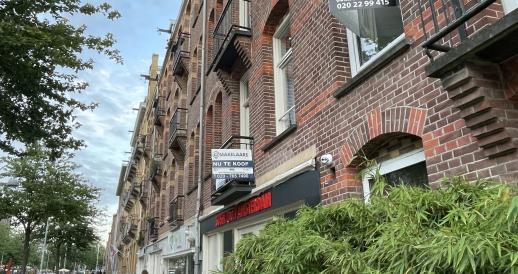
More home sellers lowering the asking price; 10.4% of homes re-listed for less
More home sellers lowered the asking price for their homes in the second quarter. 10.4 percent of homes were re-listed at a lower price, mostly in the lowest price category, where many landlords are selling their rentals, Huispedia reported. In the first quarter, 10 percent of homes were re-listed at a lower price.
On average, homes in the Netherlands sold for 5 percent above the asking price in the second quarter. Nearly half of the homes sold with a reduced price were sold below the asking price. The national average is 22.2 percent, Huispedia found in an analysis of housing data.
The lower asking prices are largely due to an influx of former rental properties, mainly smaller, cheaper properties that have been subject to rent regulation since July last year. Last quarter, 21 percent more homes were offered for sale than a year earlier, the realtors’ association NVM previously reported.
But Huispedia warned that this is a temporary effect and the wave of sales “does not structurally contribute to a better flow in the stagnant housing market.” The housing site expects the influx to slow down by the middle of 2026. “By then, all existing temporary contracts will have expired, which have no longer been permitted since 1 July 2024.”
The Ministry of Housing’s Housing Survey 2024 showed that 1.8 million households planned to move in the next two years. And about 500,000 of those households already own a home that they want to sell. According to Huispedia, here lies a potential key to improving the flow of the housing market.
“These homes should, in principle, become available, but they remain invisible. Homeowners often only dare to put their homes up for sale when they are certain about their next move. This leads to a deadlock; everyone is waiting for each other,” Huispedia director Maxim Bours said.
According to Bours, it could help get the housing market moving if people could make their move visible without an immediate obligation to sell. He suggests giving people the option ot mark their home as “open for interest” with a target price and preferred term, but without the pressure to sell immediately. This will create earlier contact between supply and demand.