
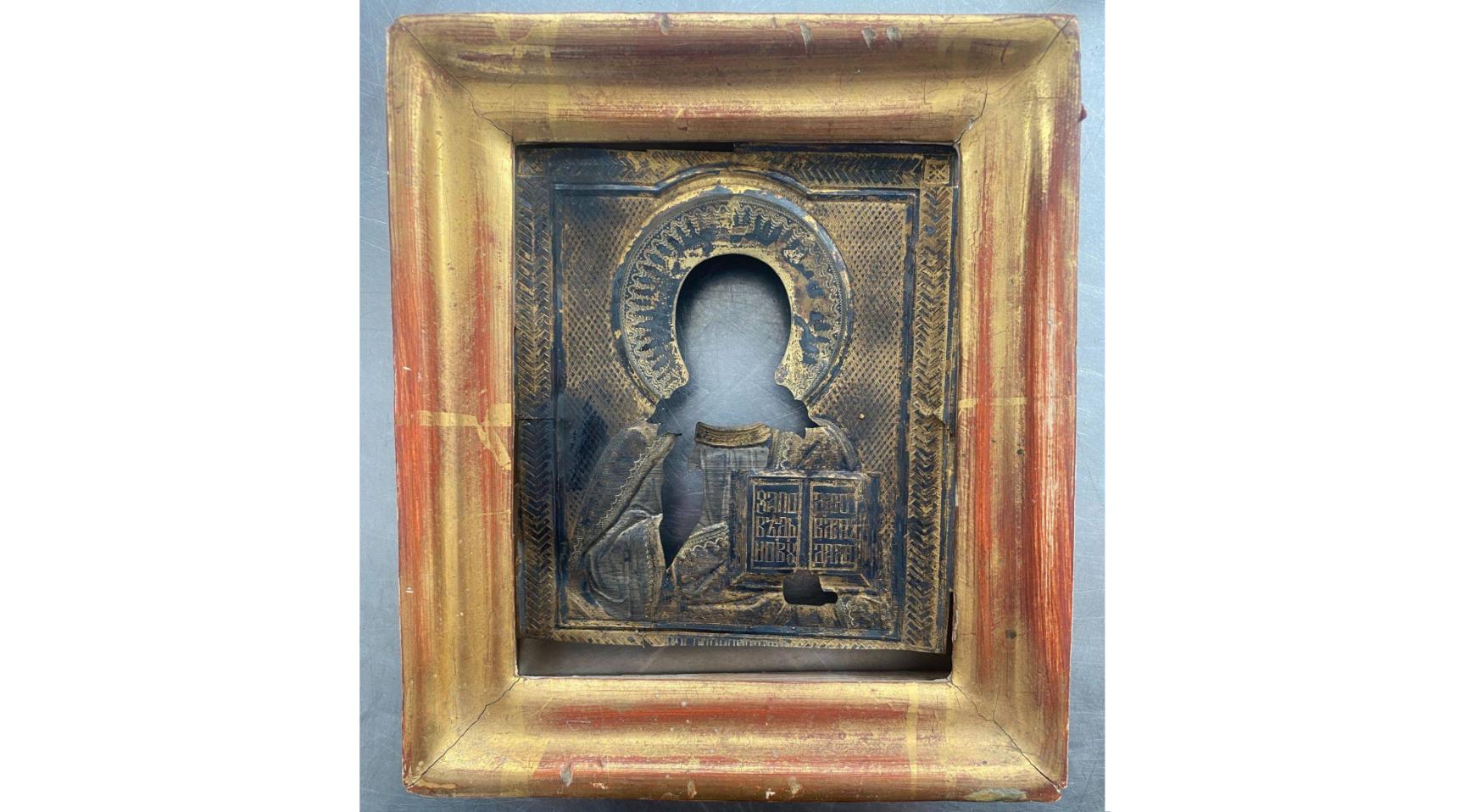
International art trafficking bust yields 80 arrests, 37,700 cultural items seized
An international crackdown on art and cultural heritage trafficking resulted in 80 arrests and the seizure of more than 37,700 items, according to Europol. The operation, called Pandora IX, was conducted throughout 2024 and involved law enforcement and customs authorities from 23 countries, including the Netherlands. Spain’s Guardia Civil coordinated the effort with support from Europol, INTERPOL, and the World Customs Organization (WCO).
In total, 258 cases were reported during the operation, with investigations continuing and more arrests and seizures expected. Authorities confiscated a wide range of cultural goods, including archaeological artifacts, artworks, coins, and musical instruments. They also seized 69 metal detectors and 23 excavation tools often used for illegal digs, highlighting the ongoing threat to protected archaeological sites.
Italian authorities seized more than 300 items, including coins and fragments from the Roman and Punic periods. These were found in a private apartment and offered for sale online. They also confiscated a painting falsely attributed to artist Jannis Kounellis, which would have been worth about 100,000 euros if authentic.
In Spain, the Guardia Civil broke up a criminal group that looted archaeological sites in the province of Cáceres. Six suspects were arrested, and three others are under investigation. Investigators recovered 2,500 Roman coins stolen from protected sites using metal detectors and sold on social media.
A separate Spanish case involved the seizure of 55 ancient coins and a ring from a passenger flying from Palma de Mallorca to Germany. This led to charges for crimes against cultural heritage and underwater site plundering. In total, 64 valuable objects and 1,576 ancient coins were confiscated in these cases.
Greek authorities recovered five Byzantine icons after arresting three suspects trying to sell them in Athens for 70,000 euros. Ukrainian customs officers seized 87 cultural goods being smuggled into Poland, Moldova, and Romania.
In addition to physical seizures, cyber patrols identified illegal sales of cultural property online, leading to the confiscation of 4,298 items and new investigations.
Operation Pandora IX is part of the European Multidisciplinary Platform Against Criminal Threats (EMPACT), which coordinates efforts to fight serious organized crime across Europe. Europol, INTERPOL, and the WCO provided key support and intelligence sharing during the operation.
Since 2016, Operation Pandora has been a major global initiative to protect cultural heritage from illegal trafficking. The participating countries include Albania, Austria, Belgium, Bosnia and Herzegovina, Bulgaria, Czechia, France, Germany, Greece, Ireland, Italy, Malta, Moldova, Netherlands, North Macedonia, Norway, Poland, Portugal, Romania, Serbia, Spain, Ukraine, and the United States.


