
Zeeland shuts down 20 wind turbines overday after young sea eagle’s death
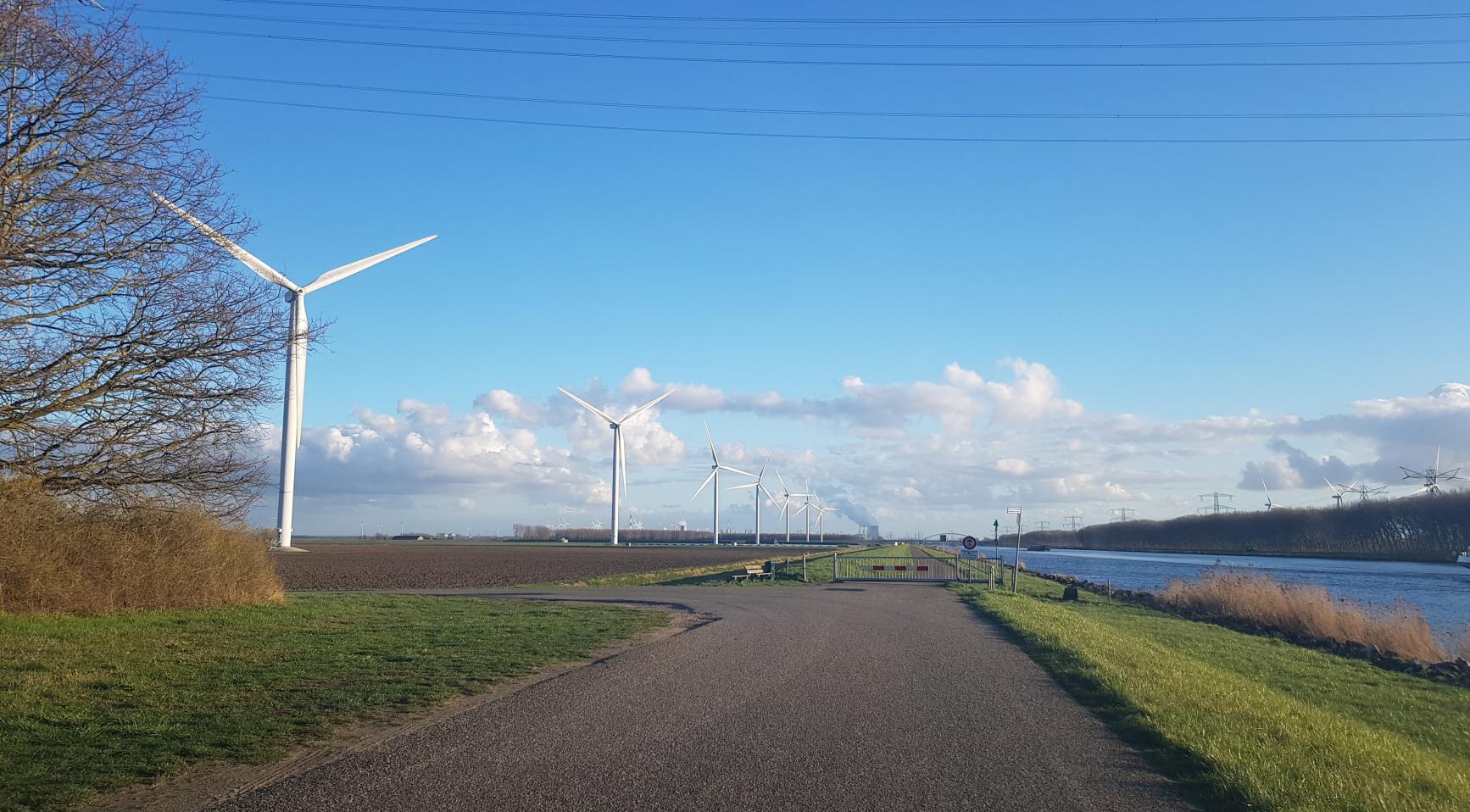
Twenty wind turbines near the Kreekraksluizen in Zeeland have been ordered to stop operating during the day. This follows a young sea eagle dying after hitting a turbine blade in April. According to Omroep Zeeland, authorities say the measure is intended to protect young sea eagles that are about to leave their nests and could face the same danger.
The province imposed the restriction after several nature organizations requested enforcement through the regional environmental agency RUD Zeeland. The agency concluded that the owners of the wind farm had failed to meet their legal duty of care for protected animals.
The wind farm does not have a detection system that could stop or slow the turbines when birds approach. Nature protection organizations had previously pushed for such a system, but wind farm operators said the technology was too expensive.
The turbines are part of a wind farm near the Kreekraksluizen. Twenty of the turbines — out of either 33 or 36 turbines cited in reports about the park — must remain shut down during daylight hours. They can continue operating at night because sea eagles do not fly after dark.
The owners must install a bird detection system in the coming months, according to BN De Stem. The system can detect nearby birds and slow the turbine blades within seconds.
The dead bird was a three-year-old sea eagle known as WN76. It was the first sea eagle chick born in the Markiezaat area. Its life ended in late April after it collided with a wind turbine blade.
The timing of the enforcement action was linked to the presence of young sea eagles near the Markiezaatsmeer in Bergen op Zoom. Two young birds are expected to leave their nest soon. A RUD spokesperson warned that inexperienced birds face additional risks when flying.
“In the beginning, they fly very clumsily,” the spokesperson said. “If they fly to the feeding area near the Oosterschelde, they have to pass the twenty wind turbines. That risk is too great.”
Erik de Jonge, a forest ranger with Brabants Landschap, said he hopes the death will lead to stronger protections. “I hope that our dead sea eagle, even though what happened is sad, will ensure that this is much better arranged,” De Jonge told Omroep Zeeland.
He said he still hopes a detection system will be installed. “It is very strange that we are generating sustainable green energy, which at the same time is also a major problem for rare birds. It is of course not really that green if sea eagles are killed in our parks.”
Four years before the latest death, another sea eagle was killed by a wind turbine at the same location.
Sea eagles had not bred in the Netherlands for decades until a breeding pair appeared again in 2006. Their population has steadily increased in recent years, with 45 breeding pairs recorded in the Netherlands last year.


