
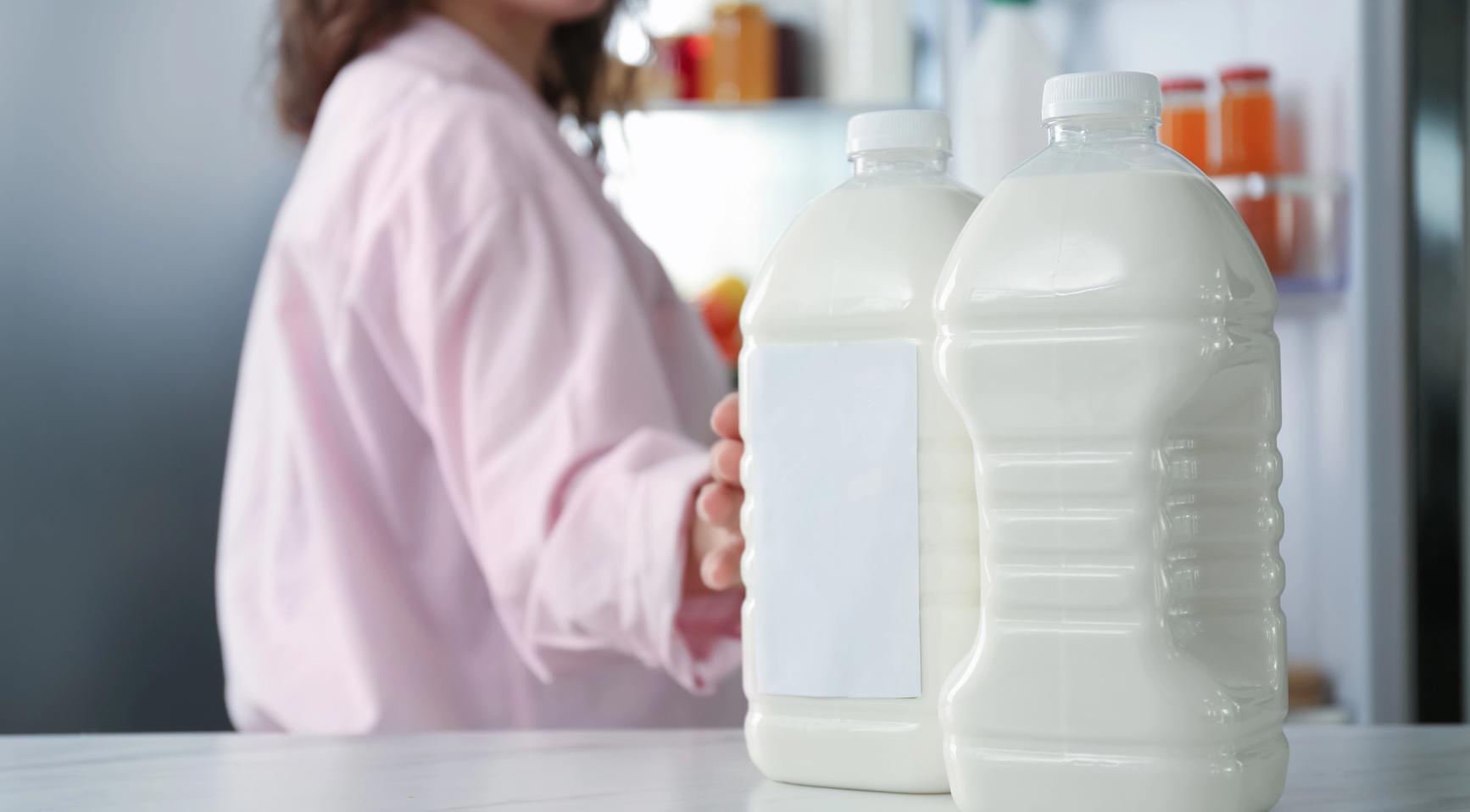
Dutch milk and juice bottle deposit plan triggers hygiene concerns
The Dutch government’s plan to extend the deposit system to plastic milk and juice bottles has triggered sharp warnings from the supermarket sector over hygiene risks. At the same time, the government is pressing ahead with broader recycling reforms aimed at improving collection rates.
The CBL, which represents Dutch supermarkets, said it has “great concerns” about collecting dairy packaging through supermarkets if the system is expanded. In a letter to members of the Tweede Kamer, the group warned, “This puts food safety and public health in the Netherlands at risk.”
The warning follows plans by Minister Stientje van Veldhoven (Climate and Green Growth, D66), who is preparing a proposal to extend mandatory deposits to all plastic bottles up to 3 liters. That includes milk and juice containers.
CBL cited research from laboratory group Eurofins. The study found that collecting milk bottles may cause odor problems. It also found that leaking or open containers could attract pests.
“We strongly urge you to take these aspects into account in the considerations currently being made,” the CBL wrote to lawmakers.
Under the proposal, deposit rules could also be expanded to plastic bottles and cans currently sold without deposits. The plan includes more return locations across the country. It also calls for more bulk return machines, where consumers can deposit large bags of bottles at once. A possible requirement is also being considered that would force all stores to accept returned containers.
At present, deposits are required on plastic bottles and cans for water and soft drinks. They are not required on most juice and milk bottles, but some juice bottles are eligible. However, most non-deposit plastic bottles are dairy packaging, according to Van Veldhoven.
Van Veldhoven told the government that Dutch law requires a 90 percent collection rate for plastic bottles. That target has not yet been met. If the Netherlands continues to fall short, it could face stricter European Union rules starting in 2029.
Those rules could require all retailers to accept deposit packaging without exceptions. They could also allow foreign bottles and cans into the system. Van Veldhoven said these changes would significantly increase costs for producers and retailers.
The government has also expressed dissatisfaction with Verpact. Verpact manages the national deposit system for beverage packaging. Van Veldhoven said she expects the organization to fully commit to rapidly clearing returned bottles from circulation.
Verpact welcomed the minister’s involvement. “We are working with full commitment toward achieving the target and fully support it. It is important to keep taking steps toward the goal of collecting 90 percent of beverage packaging in 2029,” the organization said.


