Housing, healthcare dethroned asylum as Dutch voters' main concern since last election
There have been some clear shifts in voters’ concerns since the previous parliamentary election in November 2023. Nearly two years ago, the elections were dominated by immigration, particularly asylum and migrant workers. This year, voters are more concerned with the housing crisis and rising healthcare costs.
In 2023, right-wing parties managed to frame immigration as the main cause of the housing shortage in the Netherlands. And the resulting Schoof I Cabinet promised the strictest asylum policy ever, tried to significantly cut the 30 percent tax benefit for expats, and pushed universities to limit courses taught in English and the number of international students they enroll.
Nearly two years later, little has come from that. The Netherlands is still short around 430,000 homes, and that is expected to climb to 453,000 homes by 2027. Asylum shelters are still overcrowded. The labor market is still tight, requiring workers from abroad to fill vacant positions. And universities are now raising concerns about a declining number of international students and the talent the Netherlands risks losing.
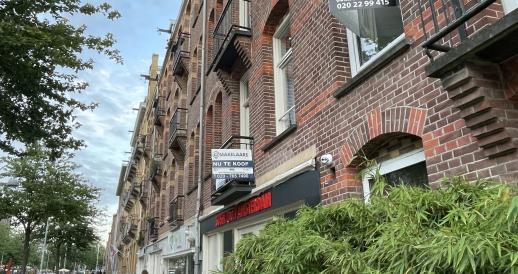
This year, immigration is still a concern for many voters, but it has taken a back seat to the housing crisis and rising healthcare costs. The housing shortage and resulting sky-high prices have left many home seekers despondent, according to a survey by Aedes, the umbrella organization for housing corporations. “A quarter of those who do not live in a suitable home are not even looking for a new one,” Aedes noted.
That was also reflected in the election debates this campaign. When the party leaders focused on the topics, and not each other, they discussed whether it was possible to build 100,000 homes per year, as the previous few Cabinets had aimed.
The PVV and, to a lesser extent, the VVD, still pushed for stricter asylum policies, but the other big parties seemed to agree that closing the borders wouldn’t solve the existing housing crisis.
The basic health insurance package came out as the surprise main topic for an RTL debate last week. Parties like the D66, VVD, ChristenUnie, SGP, Volt, and JA21 want to “freeze” the basic health insurance package, meaning that new and expensive treatments will no longer be automatically added. The CDA’s election program also has cuts to the basic health insurance package. The parties want to cut healthcare spending, in part to fund extra defense spending, but patient organizations warned that this would result in good healthcare only being available to those who can pay for it.