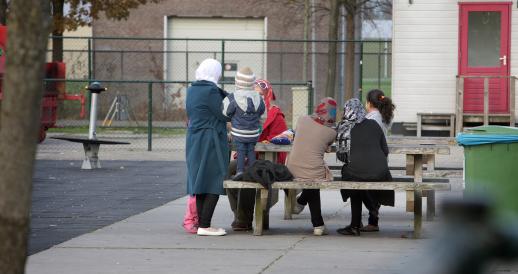
Netherlands and Uganda agree to asylum return centers for rejected asylum seekers
The Netherlands and Uganda have signed a memorandum of intent to establish a return center in Uganda for rejected asylum seekers, Caretaker Minister for Asylum Affairs David van Weel (VVD) confirmed Thursday. The agreement was signed alongside Uganda’s relevant minister during a UN meeting in New York.
The center will primarily house people from the Uganda region who are in the Netherlands unlawfully. The initiative is described as a “small-scale pilot” targeting a limited number of individuals who are staying illegally in the Netherlands after their asylum requests were denied. The plan aims to ensure compliance with national, European, and international law.
Those who refuse to leave voluntarily will face forced return. However, the Dutch Ministry of Asylum and Migration notes that deportation is often difficult if the home country does not cooperate.
The plan has drawn criticism from multiple quarters. Amnesty International expressed concern over the deal, saying it is “far from positive.” A spokesperson noted, “First, the deal is likely to result in people being arbitrarily detained or returned to countries where they face danger. Second, Uganda has some of the world’s strictest anti-LGBTQIA+ laws.”
VluchtelingenWerk, a Dutch refugee organization, labeled the plan “premature,” highlighting that the legal framework is still under negotiation. “The plan involves detaining people who do not have asylum rights but cannot return home due to lack of travel documents, in a country where they are not from and have never lived,” the group said. It also cited human rights concerns, including Uganda’s “draconian” LGBTQIA+ laws, and called for “real solutions” such as investments in voluntary return programs and safe agreements with non-European countries.
Caretaker Minister Van Weel emphasized that the legality of the agreement will ultimately be reviewed by the courts. “We believe this can be done within existing treaties and regulations,” he said. He also confirmed consultations with the International Organization for Migration (IOM) and the UN High Commissioner for Refugees to ensure human rights obligations are met.
The Netherlands is not the first European country to attempt a return center in Uganda. Previous efforts by the United Kingdom failed.
Separately, Ugandan authorities have withdrawn a case surrounding the disappearance of Dutch medical student Sophia Koetsier in 2015, according to Ugandan news site Monitor. Koetsier, then 21 with diagnosed bipolar, vanished while on a safari with two companions led by tour guide Michael Kijjambu. It is alleged that Sophia was going through a manic episode while on safari.
The case against Kijjambu alleged that he ignored warnings to seek medical care for Koetsier and acted as a guide without proper authorization. Forest ranger Stephen Nyadru testified earlier this year that he had warned Kijjambu to take Koetsier to a hospital, noting she behaved erratically, attempted to set grass on fire, and tried to jump from a moving vehicle. Koetsier’s mother, Marije Slijkerman, said in court that she blamed the guide for ignoring repeated warnings.
Only a few personal items of Koetsier have been recovered, including her underwear found hanging in a tree. Her disappearance remains unresolved, and it is still unknown what happened to her.
Reporting by ANP and NL Times