Dutch F-35s intercept Russian military aircraft armed with long-range cruise missiles
Dutch fighter pilots intercepted Russian fighter jets and bombers while monitoring NATO’s northeastern airspace north of Russian coastal exclave Kaliningrad on Tuesday, the Dutch Defense Ministry confirmed on Wednesday. “Yesterday, together with Finland and Sweden, we intercepted Russian planes [armed] with supersonic missiles over the Baltic Sea,” said Defense Minister Ruben Brekelmans on X.
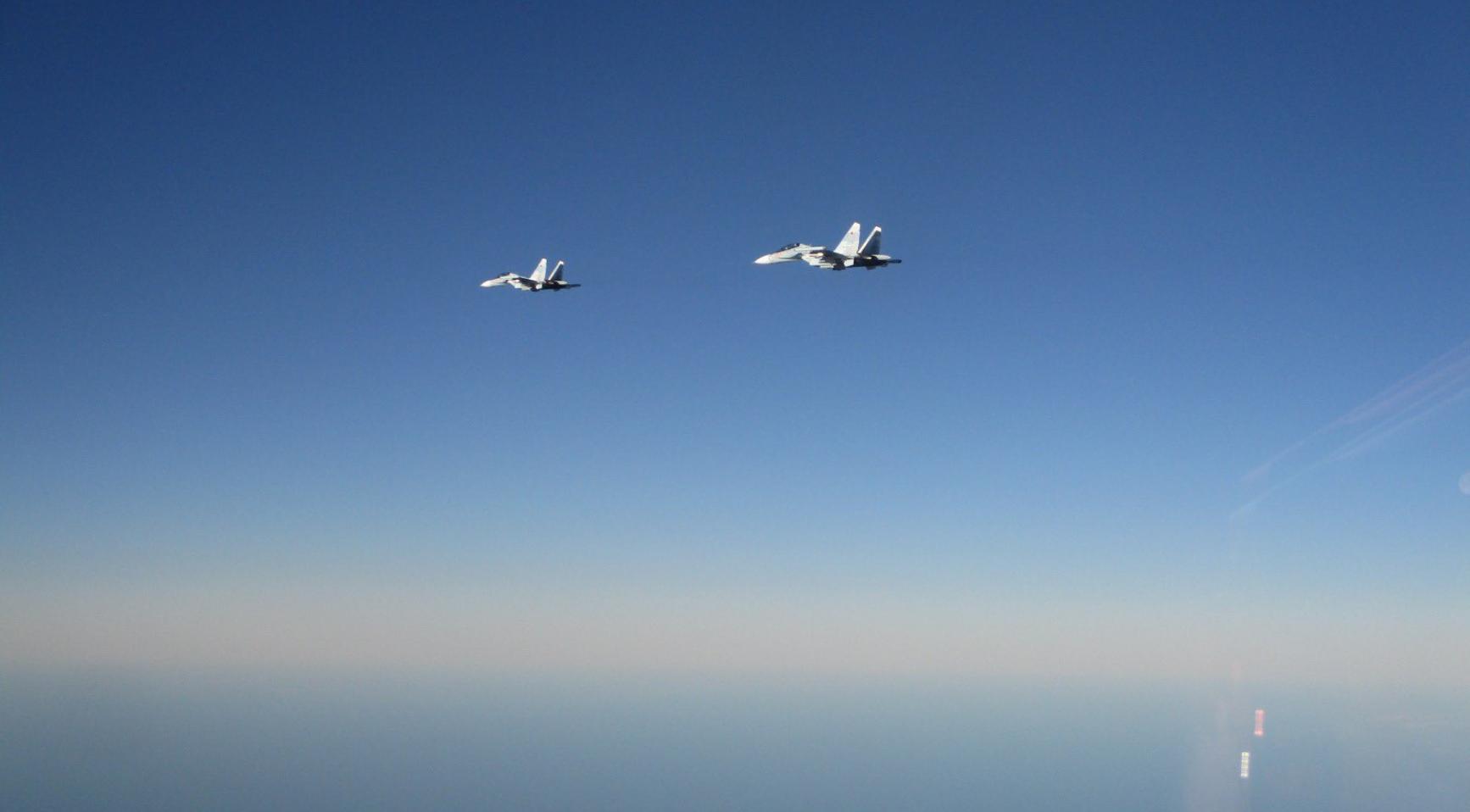
Photos released by the Swedish military a day earlier showed two SU-27 fighter jets escorting two Russian TU-22M bombers which appeared to be armed with long-range cruise missiles that may have been inert training weapons. The Dutch F-35s were deployed along with Finnish F/A-18 Hornets and Swedish Gripens.
“Protecting our security requires constant preparedness,” Brekelmans said. Four Dutch F-35 aircraft are currently stationed at the Ämari Air Base in Estonia to help monitor NATO’s eastern flank.
Dutch F-35 fighter jets, pilots, and support personnel have been stationed there since December 1. The facility reopened a few weeks earlier, and the Dutch Air Force provided the first Allied jets to operate from the extensively renovated site. Within days, they were dispatched to intercept aircraft, including a Russian spy plane, Prime Minister Dick Schoof confirmed.
The latest incident happened a day after Schoof and Brekelmans visited the Estonian capital of Tallinn. As part of his agenda, Schoof visited the Dutch contingent working at the Ämari base.
“The Estonians know better than anyone that this threat is not only something from the past, but unfortunately also from the present and the future. The rest of Europe has now also become aware of this. So we must act accordingly,” Schoof wrote on Instagram after the visit earlier this week.
The Cabinet members were in Estonia for informal talks on the Joint Expeditionary Force, or JEF, a cooperative effort between several national militaries. The JEF can work independently, but can also support NATO, the United Nations, and other efforts.
Participating countries include Denmark, Finland, Iceland, Latvia, Lithuania, Norway, the United Kingdom and Sweden, as well as Estonia and the Netherlands.