
Dutch takeaway shops widely ignore EU plastic ban, survey finds
A nationwide survey of Dutch takeaway food outlets shows widespread noncompliance with European rules restricting single-use plastics, with many businesses continuing to use plastic straws, cups, bags, and cutlery despite bans and required fees. A fish vendor at a market in Apeldoorn told AD, "Those rules don’t work anyway. Am I supposed to serve fatty fish on cardboard? That would become a mess.”
A joint inspection by the AD and regional outlets examined 101 takeaway shops across 12 Dutch cities. It found that in 80 of them, at least one item made of single-use plastic was still in use. More than a quarter of the shops still offered plastic straws, which are banned under European Union rules introduced in 2021. The survey also found widespread failure to charge mandatory fees for plastic bags and low uptake of reusable alternatives by customers.
Plastic bags remain common in nearly half of all visited outlets. In 63 percent of those cases, the bags were given out for free, despite a legal requirement to charge about 25 cents per bag.
European rules require takeaway and delivery businesses to offer reusable alternatives to disposable cups and containers, while on-site dining must use reusable materials. Despite this, many businesses continue to rely on single-use plastics, citing practicality, cost, and customer expectations.
A number of owners said they reverted to plastic after switching to paper or wood-based alternatives. In Enschede, an ice cream shop said customers complained paper spoons became “quickly soft and soggy,” prompting a return to plastic utensils.
A toko owner in Gouda said rice and sauced meals require plastic containers because, otherwise, “they get wet.” In Amersfoort, a shop selling bubble tea said plastic cups are necessary so customers can see the drink’s colors and bubbles. Staff also said paper cups are “too expensive” and unsuitable for presentation.
In Vlissingen, a rotisserie shop said plastic bags remain necessary because oily food would leak otherwise: “You don’t want it leaking into your bag.”
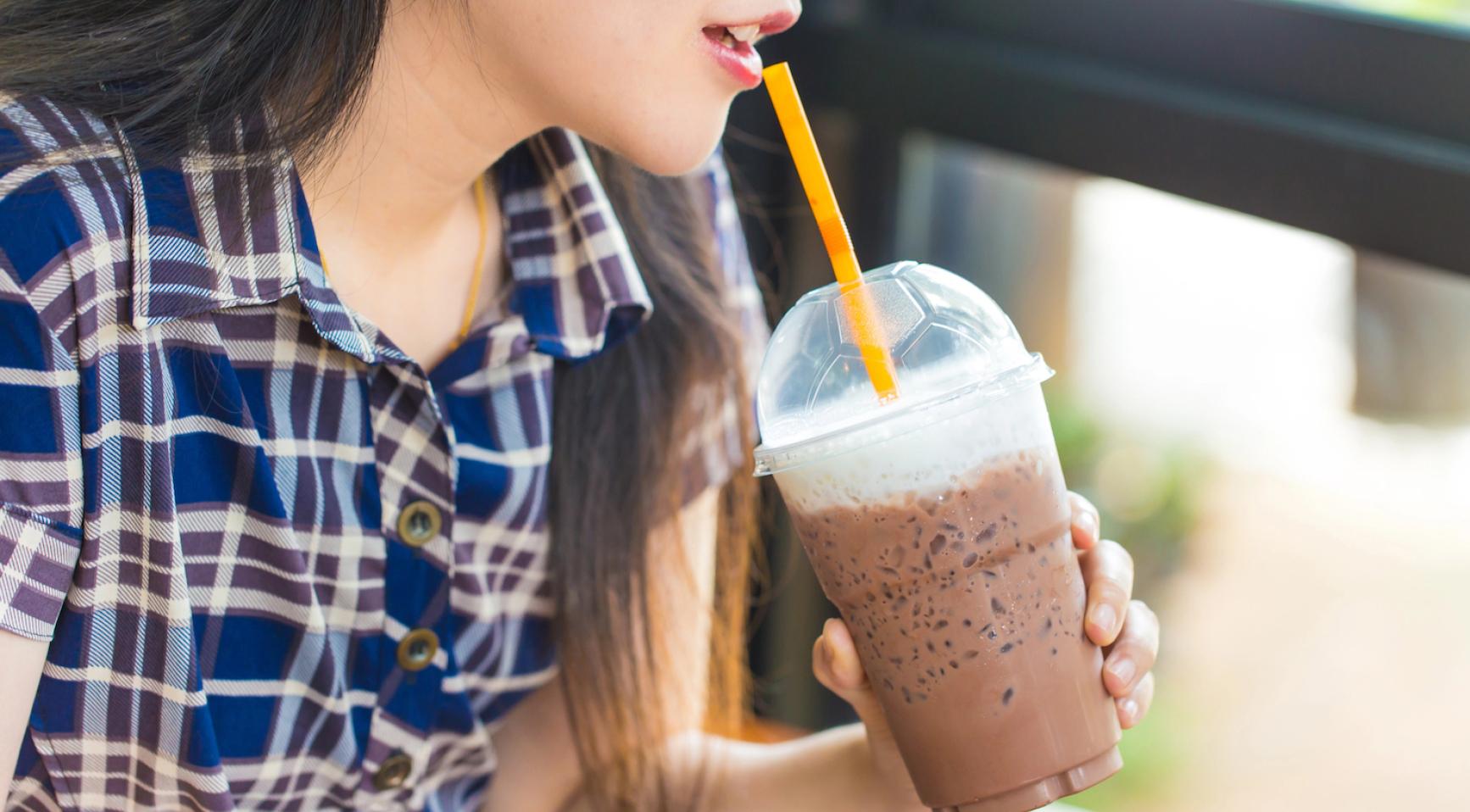
Straws remain widely used despite the EU ban. A cafeteria worker in Tilburg told AD customers reject paper alternatives: “No customer wants a paper straw. They don’t drink well, and they quickly become damp." In Arnhem, staff said customers prefer plastic straws because paper versions “crumple in no time.” A snack bar in Noord-Brabant said openly: “I import plastic forks and straws from abroad.”
Plastic Soup Foundation founder Maria Westerbos called the findings “disappointing and regrettable.” She said, "There is no enforcement! The new cabinet should really do more about that. We believe a majority of people really want a total ban on single-use plastic.”
The survey found that customers rarely bring reusable containers. A lunchroom in Vlissingen said it had only once seen tourists bring their own cup.
One exception was a coffee shop in Utrecht, where staff estimated “about 40 percent” of customers reportedly bring their own cup.
Some alternatives were highlighted. A fast-food branch used bamboo straws, described as “quite expensive to produce, but very sturdy.” An ice cream shop in Arnhem offered edible spoons, which staff said can even be used in coffee “without becoming soft.”
Campaigner Merijn Tinga, known as the Plastic Soup Surfer, said the findings show unclear policy and weak enforcement. He said: “This shows that much of the policy on single-use plastic is unclear, poorly communicated, and insufficiently enforced.”
He called for a broader ban on plastic containers to ensure uniform rules across businesses, saying: “If it can be done without plastic without effort, then do it.”


