
Dutch suspects arrested in Austria in cross-border ATM explosion robberies probe
Three Dutch nationals were among four people suspects detained in Austria in connection with a series of explosive ATM attacks, following an extensive cross-border investigation involving Austria, Germany, the Netherlands, and Europol. The suspects include a 32-year-old man from ’s-Hertogenbosch, a 28-year-old man from Amsterdam, and a 25-year-old woman from Hoofddorp. Austrian authorities made the arrests last week, acting on intelligence gathered and shared by investigators from the district police for Oost Brabant working from Den Bosch.
The arrests followed a failed explosion at an ATM in the Austrian village of Hofkirchen im Traunkreis on August 19, where no money was stolen. But an ongoing investigation in that country had police ready to snatch up suspects quickly on the same day.
"Two individuals suspected of having blown up ATMs with solid explosives were taken into custody in Austria along with two individuals suspected of aiding them," Europol stated. "Raids were performed simultaneously in all three countries, with twelve premises such as garages and the suspects’ homes in Germany and the Netherlands being searched."
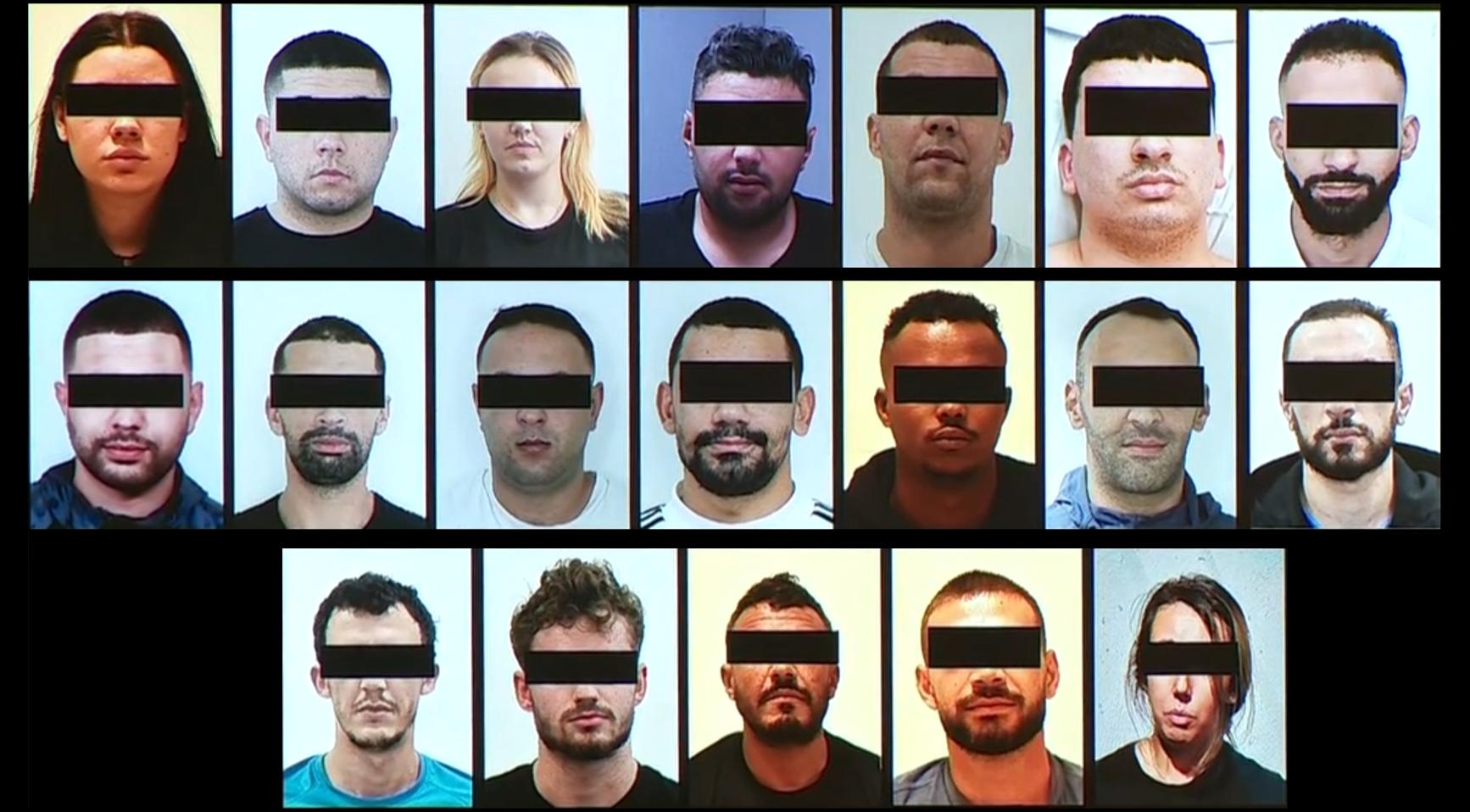
Over the course of the lengthy investigation, 19 people have been arrested this year, with more arrest warrants being prepared, police in Austria said. Charges have been pressed against 33 suspects in total, with nine others being closely watched. Police in Austria have searched 11 homes in total, Dutch police searched 10 more, and German authorities have raided five.
Oost Brabant police took credit for instigating the investigation after detectives working last September "spotted a fast Audi RS6 that was reported stolen," investigators wrote in a statement. "In the subsequent investigation, they tracked down the male suspects arrested in Austria, who appeared to have shifted their operations to that Alpine country."
An Audi RS6 was seized during one of the 10 raids that took place in the three countries on August 19. Searches of the suspects’ homes and other properties revealed imitation firearms, ammunition, mobile phones, cash, electronic devices, and vehicles linked to the group.
Dutch police played a key role in identifying them as central figures in the criminal network, and coordinating information with their Austrian counterparts. Authorities said the Dutch suspects organized much of the cross-border operation, working with a German national who provided logistical support such as vehicle rentals. Investigators determined that the suspects had been in Austria weeks before the attacks, scouting potential ATM targets.
Europol reported that the group rigged machines with solid explosives made from flash powder derived from heavy pyrotechnics. "Activated from a short distance, the blasts often not only destroy the ATMs but also devastate the surrounding area." Europol wrote in a statement.
"Activated from a short distance, the blasts often not only destroy the ATMs but also devastate the surrounding area." The blasts frequently caused extensive damage to surrounding areas, putting nearby residents at risk.


